Ruth Rubio-Marín - Böcker
Visar alla böcker från författaren Ruth Rubio-Marín. Handla med fri frakt och snabb leverans.
8 produkter
8 produkter
Immigration as a Democratic Challenge
Citizenship and Inclusion in Germany and the United States
Inbunden, Engelska, 2000
771 kr
Skickas inom 7-10 vardagar
Immigration raises a number of important moral issues regarding access to the rights and privileges of citizenship. At present, immigrants to most Western democracies do not enjoy the same rights as citizens, and must satisfy a range of conditions before achieving citizenship. In this book, Ruth Rubio-Marín argues that this approach is unjust and undemocratic, and that more inclusive policies are required. In particular, she argues that liberal norms of justice and democracy require that there should be a time threshold after which immigrants (legal and illegal) should either be granted the full rights of citizenship, or should be awarded nationality automatically, without any conditions or tests. The author contrasts her position with the constitutional practice of two countries with rich immigration traditions: Germany and the United States. She concludes that judicial interpretations of both constitutions have recognised the claim for inclusion of resident aliens, but have also limited that claim.
Immigration as a Democratic Challenge
Citizenship and Inclusion in Germany and the United States
Häftad, Engelska, 2000
428 kr
Skickas inom 7-10 vardagar
Immigration raises a number of important moral issues regarding access to the rights and privileges of citizenship. At present, immigrants to most Western democracies do not enjoy the same rights as citizens, and must satisfy a range of conditions before achieving citizenship. In this book, Ruth Rubio-Marín argues that this approach is unjust and undemocratic, and that more inclusive policies are required. In particular, she argues that liberal norms of justice and democracy require that there should be a time threshold after which immigrants (legal and illegal) should either be granted the full rights of citizenship, or should be awarded nationality automatically, without any conditions or tests. The author contrasts her position with the constitutional practice of two countries with rich immigration traditions: Germany and the United States. She concludes that judicial interpretations of both constitutions have recognised the claim for inclusion of resident aliens, but have also limited that claim.
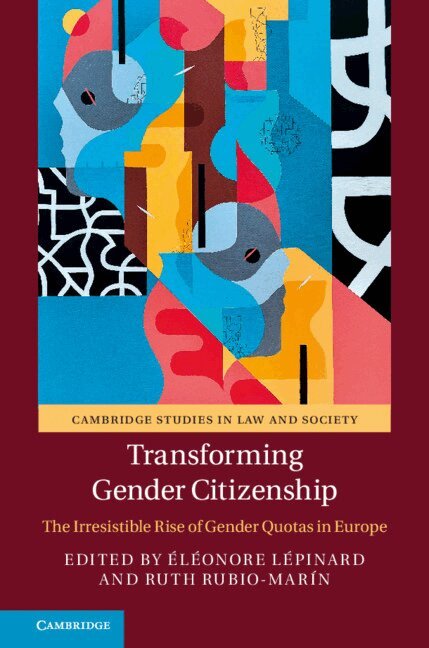
Transforming Gender Citizenship
The Irresistible Rise of Gender Quotas in Europe
Inbunden, Engelska, 2018
842 kr
Skickas inom 7-10 vardagar
Gender quotas are a controversial policy measure. However, over the past twenty years they have been widely adopted around the world and especially in Europe. They are now used in politics, corporate boards, state and local public administration and even in civil society organizations. This book explores this unprecedented phenomenon, providing a unique comparative perspective on gender quotas' adoption across thirteen European countries. It also studies resistance to gender quotas by political parties and supreme courts. Providing up-to-date comprehensive data on gender quotas regulations, Transforming Gender Citizenship proposes a typology of countries, from those which have embraced gender quotas as a new way to promote gender equality in all spheres of social life, to those who have consistently refused gender quotas as a tool for gender equality. Reflecting on divergences and commonalities across Europe, the authors analyze how gender quotas may transform dominant conception of citizenship and gender equality.
Transforming Gender Citizenship
The Irresistible Rise of Gender Quotas in Europe
Häftad, Engelska, 2018
447 kr
Skickas inom 7-10 vardagar
Gender quotas are a controversial policy measure. However, over the past twenty years they have been widely adopted around the world and especially in Europe. They are now used in politics, corporate boards, state and local public administration and even in civil society organizations. This book explores this unprecedented phenomenon, providing a unique comparative perspective on gender quotas' adoption across thirteen European countries. It also studies resistance to gender quotas by political parties and supreme courts. Providing up-to-date comprehensive data on gender quotas regulations, Transforming Gender Citizenship proposes a typology of countries, from those which have embraced gender quotas as a new way to promote gender equality in all spheres of social life, to those who have consistently refused gender quotas as a tool for gender equality. Reflecting on divergences and commonalities across Europe, the authors analyze how gender quotas may transform dominant conception of citizenship and gender equality.
1 469 kr
Skickas inom 7-10 vardagar
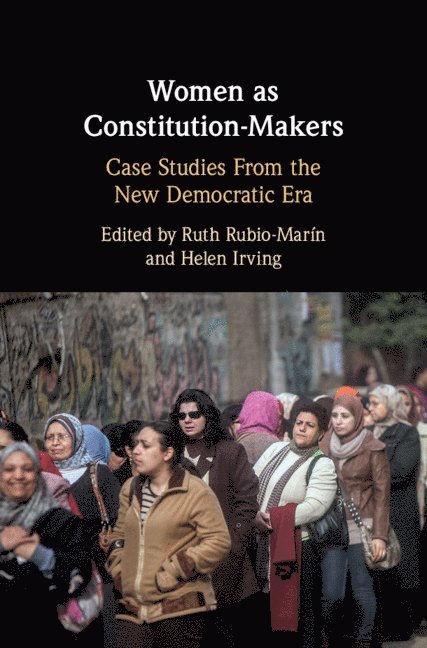
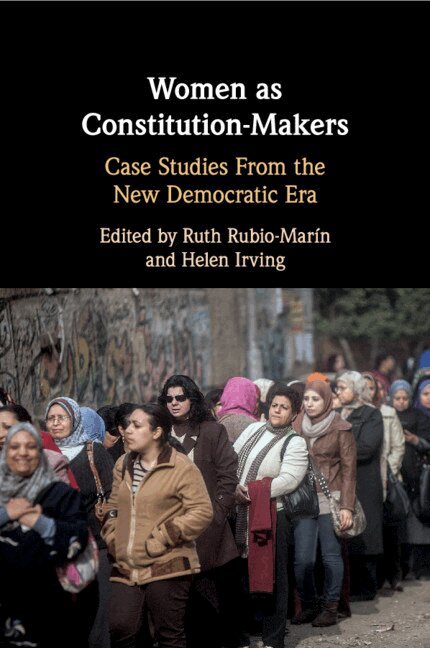
That a constitution should express the will of 'the people' is a long-standing principle, but the identity of 'the people' has historically been narrow. Women, in particular, were not included. A shift, however, has recently occurred. Women's participation in constitution-making is now recognised as a democratic right. Women's demands to have their voices heard in both the processes of constitution-making and the text of their country's constitution, are gaining recognition. Campaigning for inclusion in their country's constitution-making, women have adopted innovative strategies to express their constitutional aspirations. This collection offers, for the first time, comprehensive case studies of women's campaigns for constitutional equality in nine different countries that have undergone constitutional transformations in the 'participatory era'. Against a richly-contextualised historical and political background, each charts the actions and strategies of women participants, both formal and informal, and records their successes, failures and continuing hopes for constitutional equality.
1 145 kr
Skickas inom 7-10 vardagar
To what extent is the legal subject gendered? Using illustrative examples from a range of jurisdictions and thematically organised chapters, this volume offers a comprehensive consideration of this question. With a systematic, accessible approach, it argues that law and gender work to co-produce the legal subject. Cumulatively, the volume's chapters provide a systematic evaluation of the key facets of the legal subject: the corporeal, the functional and the communal. Exploring aspects of the legal subject from the ways in which it is sexed and sexualised to its national and familial dimensions, this volume develops a complete account of the various processes through which legal orders produce gendered subjects. Across its chapters, each theoretically ambitious in its own right, this volume outlines how the law not only acts on the social world, but genders it.
366 kr
Skickas inom 7-10 vardagar
To what extent is the legal subject gendered? Using illustrative examples from a range of jurisdictions and thematically organised chapters, this volume offers a comprehensive consideration of this question. With a systematic, accessible approach, it argues that law and gender work to co-produce the legal subject. Cumulatively, the volume's chapters provide a systematic evaluation of the key facets of the legal subject: the corporeal, the functional and the communal. Exploring aspects of the legal subject from the ways in which it is sexed and sexualised to its national and familial dimensions, this volume develops a complete account of the various processes through which legal orders produce gendered subjects. Across its chapters, each theoretically ambitious in its own right, this volume outlines how the law not only acts on the social world, but genders it.
507 kr
Skickas inom 7-10 vardagar
That a constitution should express the will of 'the people' is a long-standing principle, but the identity of 'the people' has historically been narrow. Women, in particular, were not included. A shift, however, has recently occurred. Women's participation in constitution-making is now recognised as a democratic right. Women's demands to have their voices heard in both the processes of constitution-making and the text of their country's constitution, are gaining recognition. Campaigning for inclusion in their country's constitution-making, women have adopted innovative strategies to express their constitutional aspirations. This collection offers, for the first time, comprehensive case studies of women's campaigns for constitutional equality in nine different countries that have undergone constitutional transformations in the 'participatory era'. Against a richly-contextualised historical and political background, each charts the actions and strategies of women participants, both formal and informal, and records their successes, failures and continuing hopes for constitutional equality.