Ruth Sandwell – författare
Visar alla böcker från författaren Ruth Sandwell. Handla med fri frakt och snabb leverans.
12 produkter
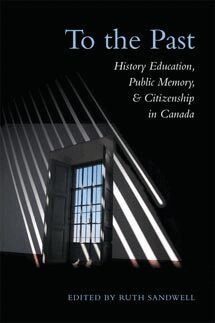
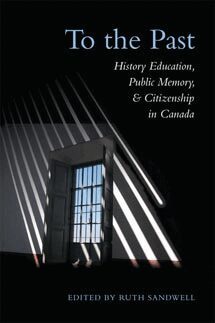
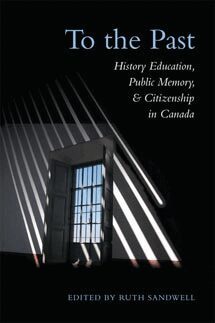
To the Past
History Education, Public Memory, and Citizenship in Canada
Häftad, 2006
381 kr
Lägg i varukorg
Recent years have witnessed a breakdown in consensus about what history should be taught within Canadian schools; there is now a heightened awareness of the political nature of deciding whose history is, or should be, included in social studies and history classrooms. Meanwhile, as educators are …
To the Past
History Education, Public Memory, and Citizenship in Canada
Inbunden, 2006
740 kr
Lägg i varukorg
Recent years have witnessed a breakdown in consensus about what history should be taught within Canadian schools; there is now a heightened awareness of the political nature of deciding whose history is, or should be, included in social studies and history classrooms. Meanwhile, as educators are …
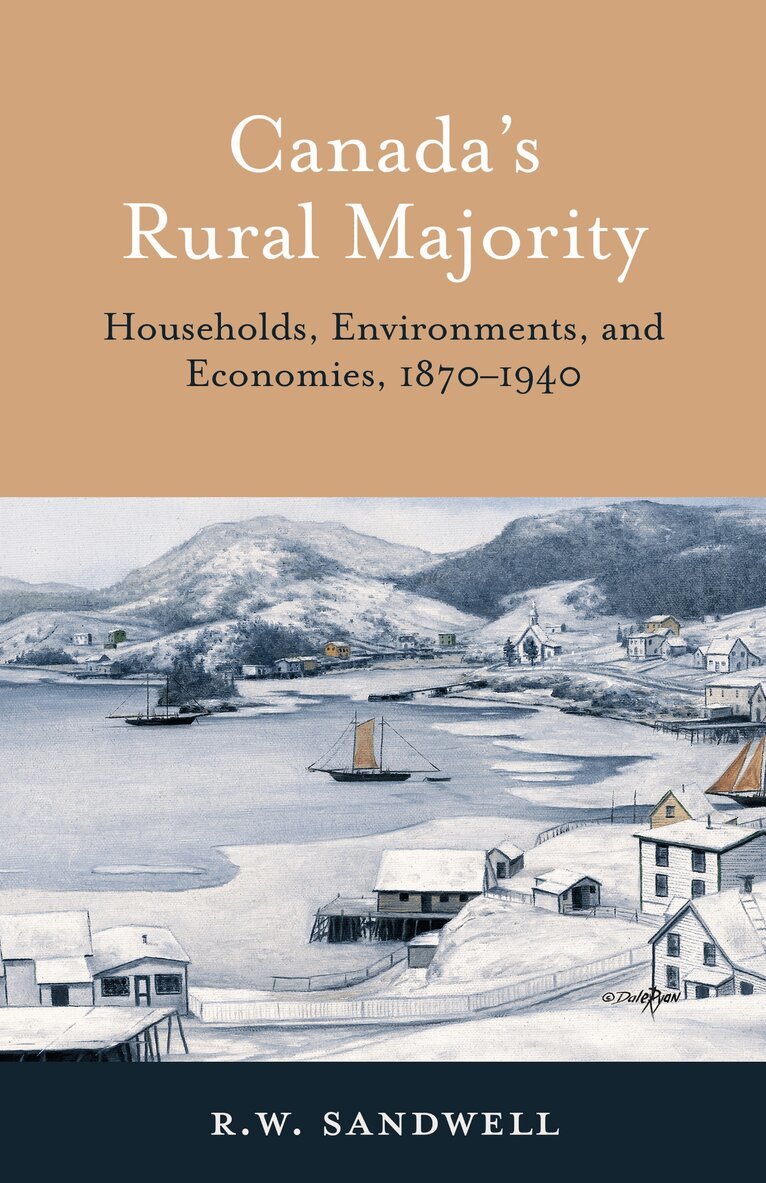
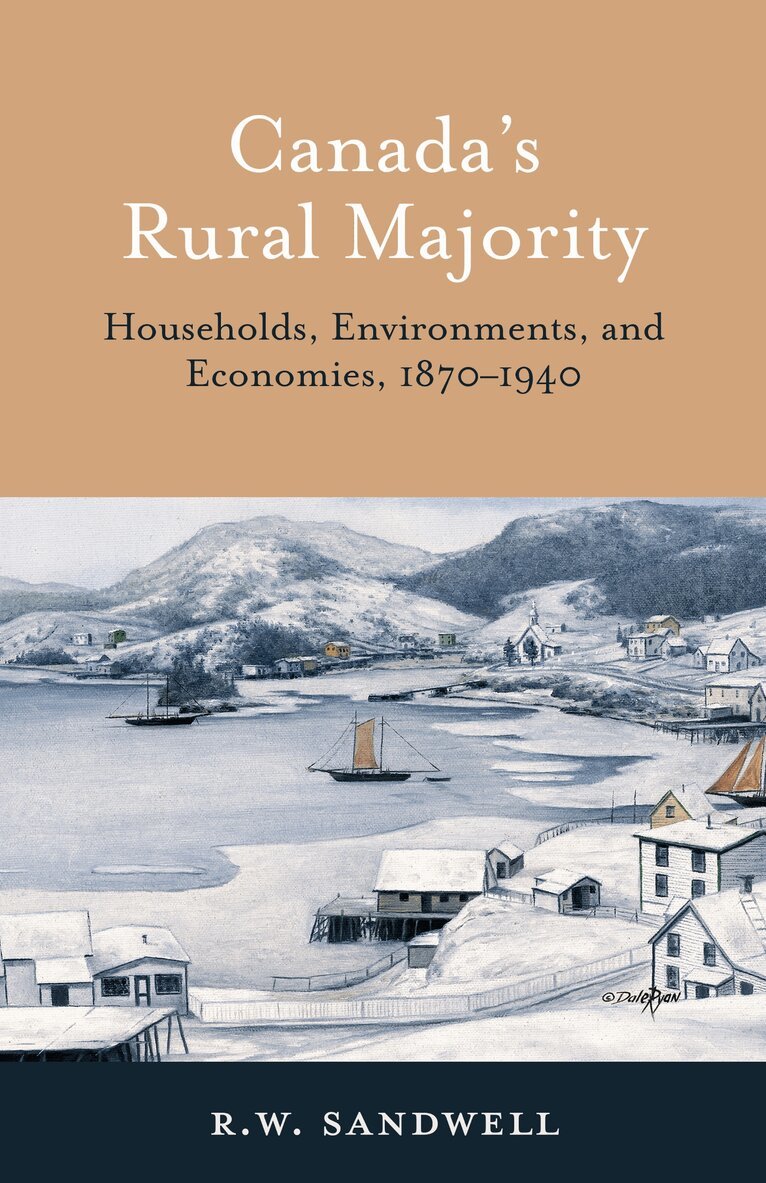
Canada's Rural Majority
Households, Environments, and Economies, 1870-1940
Häftad, 2016
370 kr
Lägg i varukorg
Before the Second World War, Canada was a rural country. Unlike most industrializing countries, Canada’s rural population grew throughout the century after 1871 – even if it declined as a proportion of the total population. Rural Canadians also differed in their lives from rural populations …
Canada's Rural Majority
Households, Environments, and Economies, 1870-1940
Inbunden, 2016
769 kr
Lägg i varukorg
Before the Second World War, Canada was a rural country. Unlike most industrializing countries, Canada’s rural population grew throughout the century after 1871 – even if it declined as a proportion of the total population. Rural Canadians also differed in their lives from rural populations …
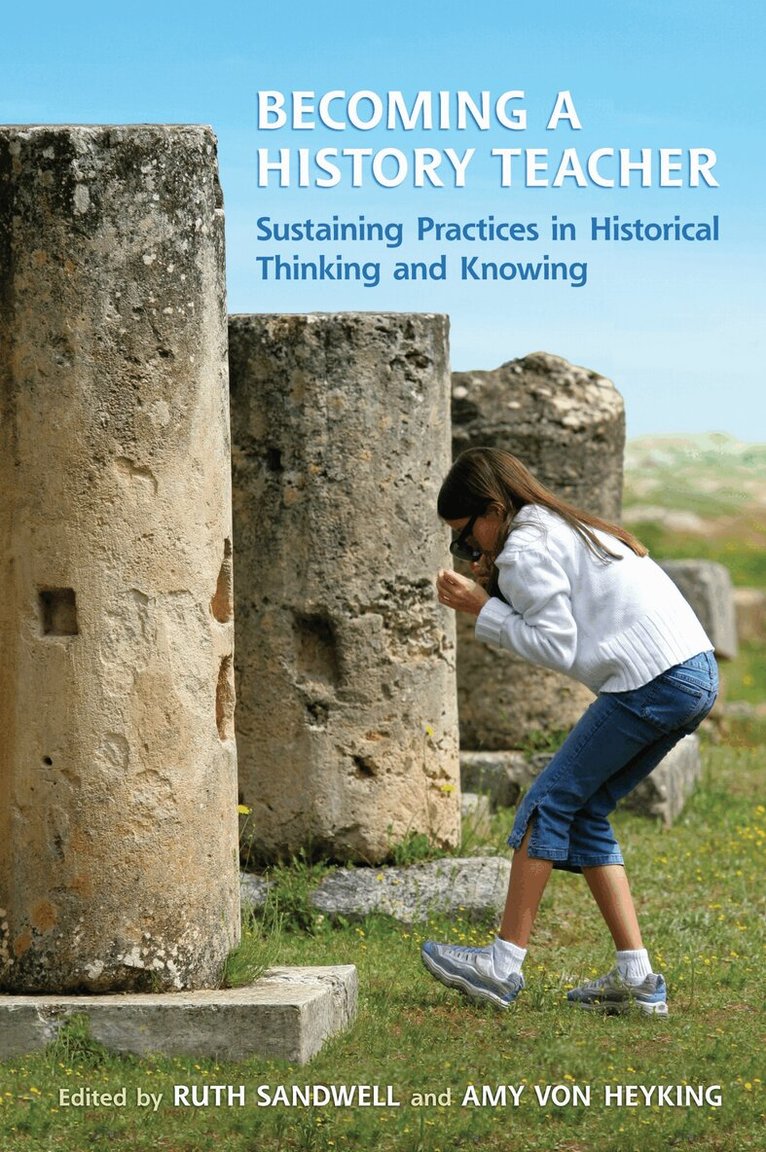
Becoming a History Teacher
Sustaining Practices in Historical Thinking and Knowing
Av Ruth Sandwell, Amy von Heyking
E-bok, 2014
555 kr
Lägg i varukorg
A revolution in history education is propelling historical thinking and knowing to the forefront of history and social studies education in North America and beyond. Teachers, teacher education programs, schools, and ministries of education across Canada are all among those embracing the idea that …
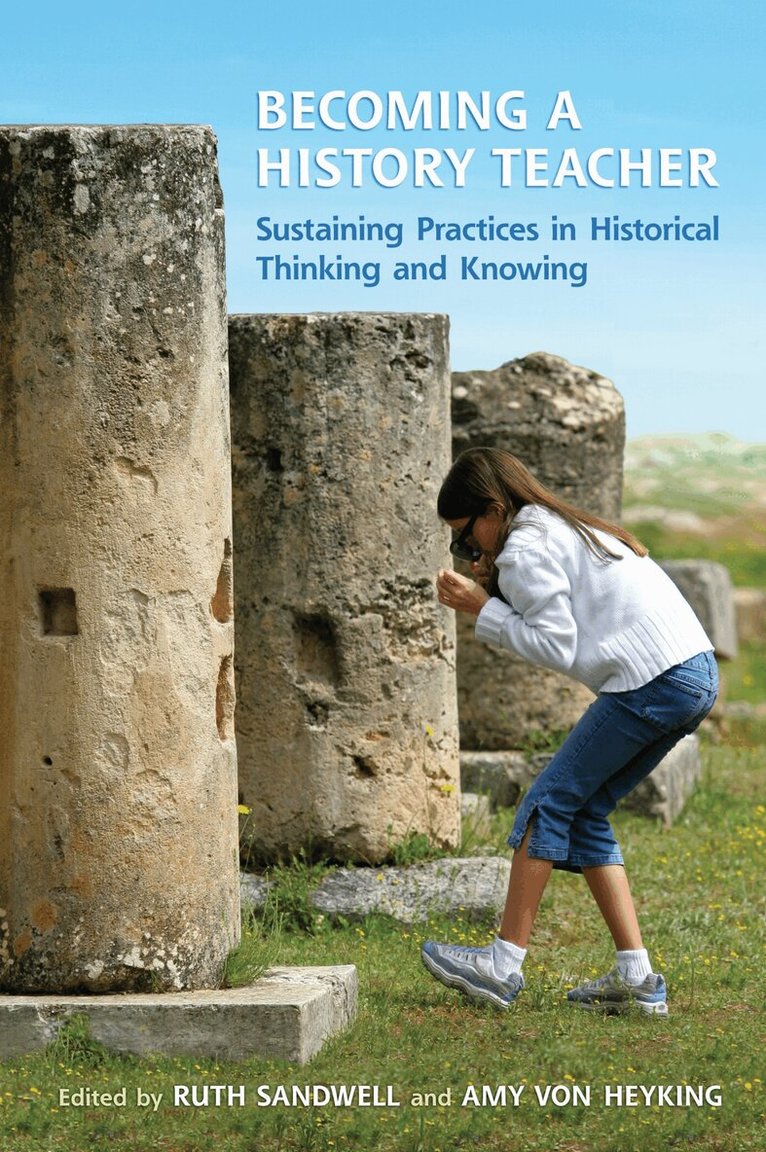
Becoming a History Teacher
Sustaining Practices in Historical Thinking and Knowing
Av Ruth Sandwell, Amy von Heyking
E-bok, 2014
555 kr
Lägg i varukorg
A revolution in history education is propelling historical thinking and knowing to the forefront of history and social studies education in North America and beyond. Teachers, teacher education programs, schools, and ministries of education across Canada are all among those embracing the idea that …
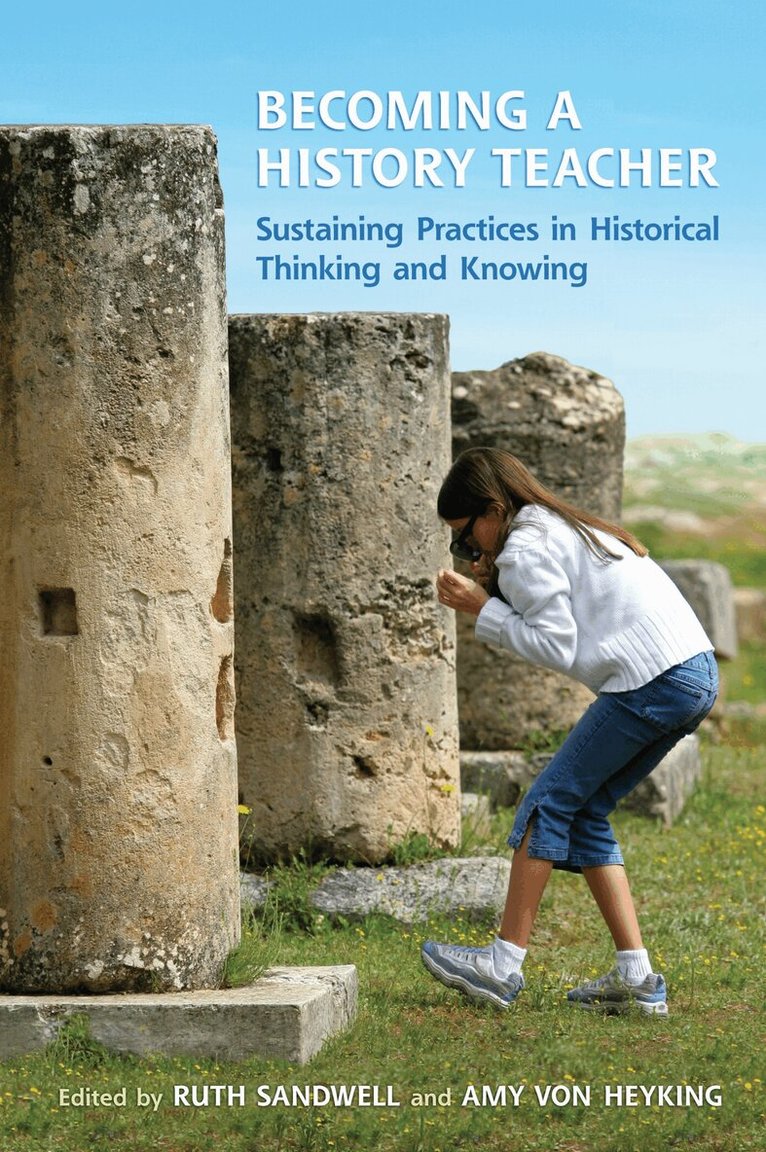
Becoming a History Teacher
Sustaining Practices in Historical Thinking and Knowing
Av Ruth Sandwell, Amy von Heyking
Häftad, 2014
428 kr
Lägg i varukorg
A revolution in history education is propelling historical thinking and knowing to the forefront of history and social studies education in North America and beyond. Teachers, teacher education programs, schools, and ministries of education across Canada are all among those embracing the idea that …
To the Past
History Education, Public Memory, and Citizenship in Canada
E-bok, 2006
472 kr
Lägg i varukorg
Recent years have witnessed a breakdown in consensus about what history should be taught within Canadian schools; there is now a heightened awareness of the political nature of deciding whose history is, or should be, included in social studies and history classrooms. Meanwhile, as educators are …
To the Past
History Education, Public Memory, and Citizenship in Canada
E-bok, 2006
487 kr
Lägg i varukorg
Recent years have witnessed a breakdown in consensus about what history should be taught within Canadian schools; there is now a heightened awareness of the political nature of deciding whose history is, or should be, included in social studies and history classrooms. Meanwhile, as educators are …
Canada's Rural Majority
Households, Environments, and Economies, 1870-1940
E-bok, 2016
455 kr
Lägg i varukorg
Before the Second World War, Canada was a rural country. Unlike most industrializing countries, Canada’s rural population grew throughout the century after 1871 – even if it declined as a proportion of the total population. Rural Canadians also differed in their lives from rural populations …
Canada's Rural Majority
Households, Environments, and Economies, 1870-1940
E-bok, 2016
460 kr
Lägg i varukorg
Before the Second World War, Canada was a rural country. Unlike most industrializing countries, Canada’s rural population grew throughout the century after 1871 – even if it declined as a proportion of the total population. Rural Canadians also differed in their lives from rural populations …
Becoming a History Teacher
Sustaining Practices in Historical Thinking and Knowing
Av Ruth Sandwell, Amy von Heyking
Inbunden, 2014
902 kr
Tillfälligt slut
A revolution in history education is propelling historical thinking and knowing to the forefront of history and social studies education in North America and beyond. Teachers, teacher education programs, schools, and ministries of education across Canada are all among those embracing the idea that …