Ruth Scobie – författare
Visar alla böcker från författaren Ruth Scobie. Handla med fri frakt och snabb leverans.
9 produkter
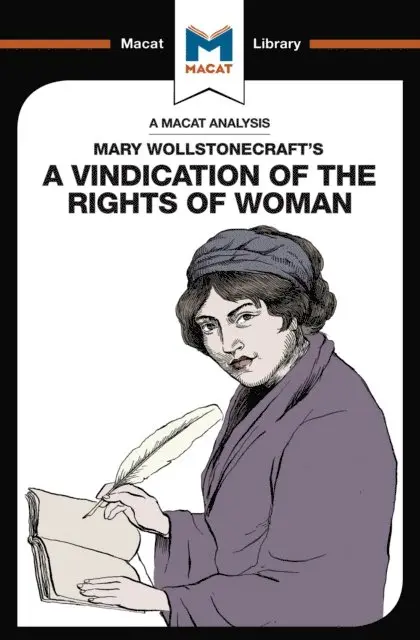
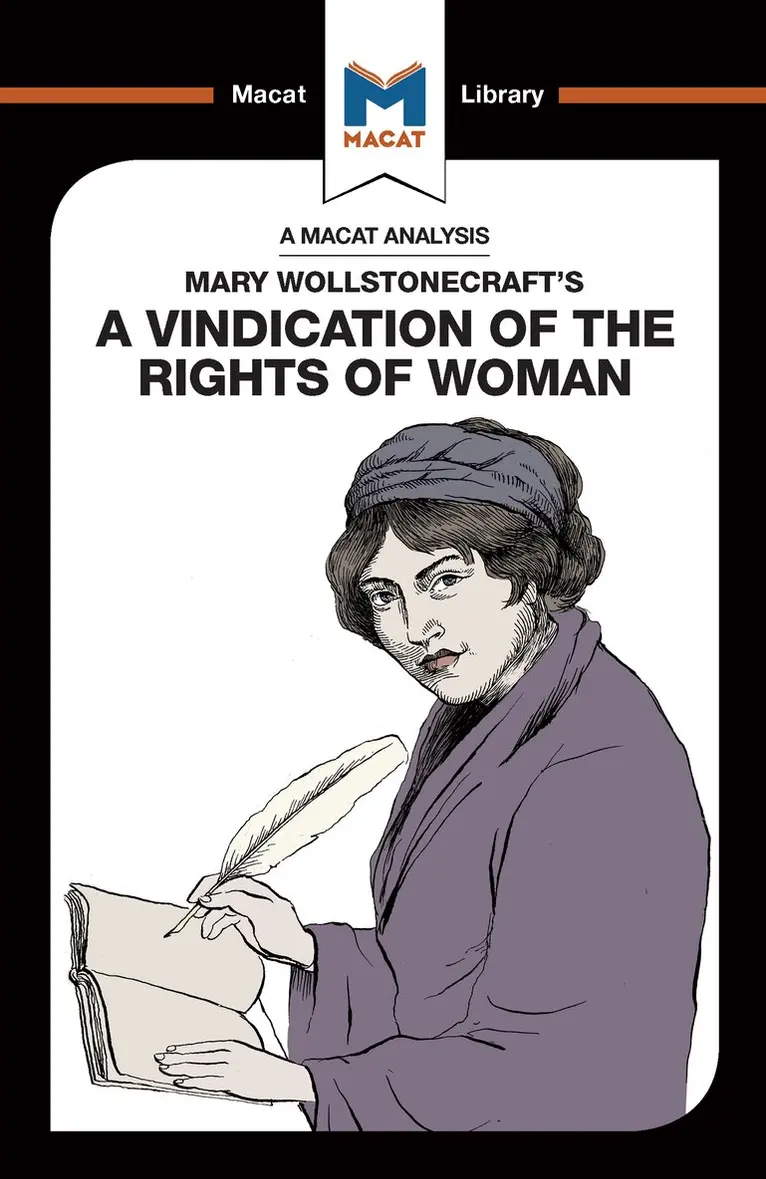
Analysis of Mary Wollstonecraft's A Vindication of the Rights of Woman
Av Ruth Scobie
E-bok, 2017
140 kr
Lägg i varukorg
Mary Wollstonecraft’s 1792 Vindication of the Rights of Women is an incendiary attack on the place of women in 18th-century society. Often considered to be the earliest widely-circulated work of feminism, the book is a powerful example of what can be achieved by creative thinkers – people who …
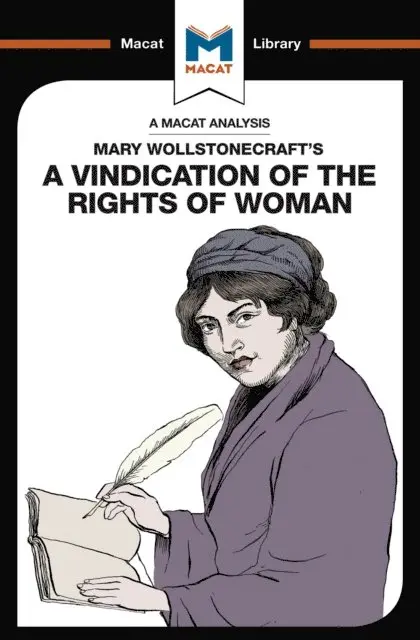
Analysis of Mary Wollstonecraft's A Vindication of the Rights of Woman
Av Ruth Scobie
E-bok, 2017
140 kr
Lägg i varukorg
Mary Wollstonecraft’s 1792 Vindication of the Rights of Women is an incendiary attack on the place of women in 18th-century society. Often considered to be the earliest widely-circulated work of feminism, the book is a powerful example of what can be achieved by creative thinkers – people who …
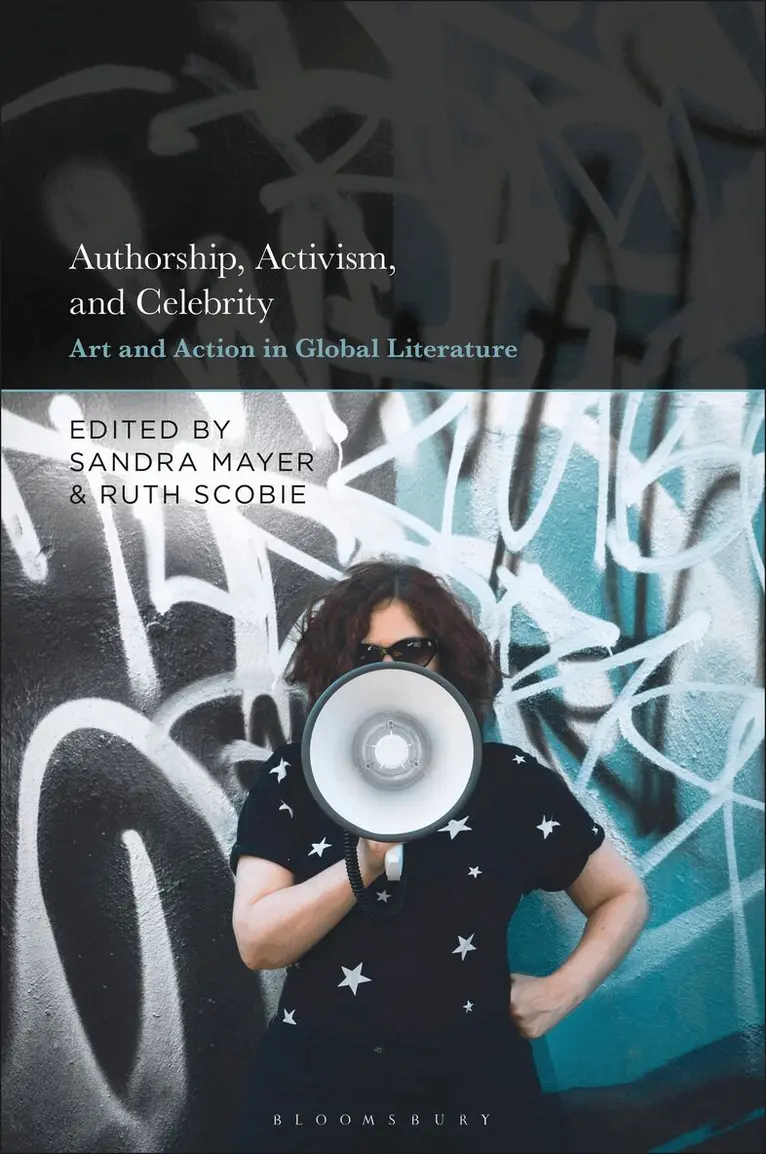
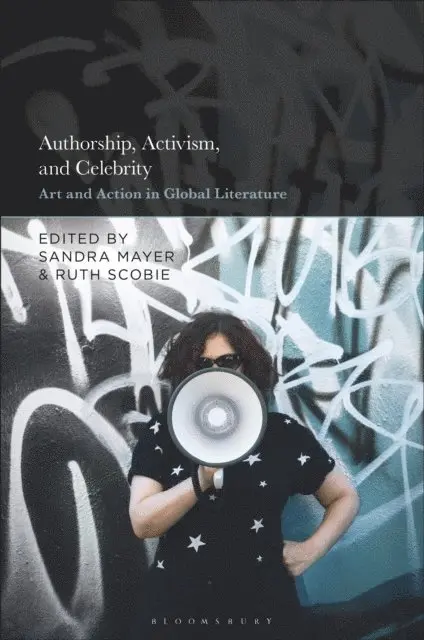
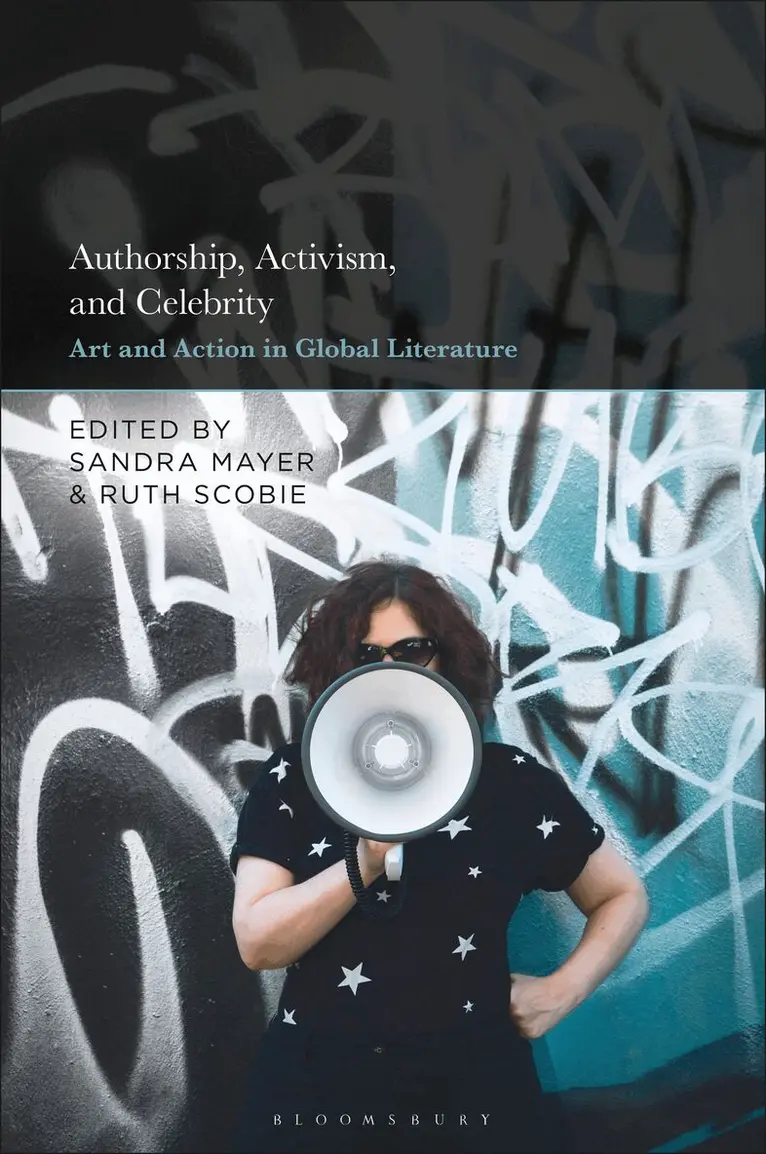
Authorship, Activism and Celebrity
Art and Action in Global Literature
Inbunden, 2023
1554 kr
Lägg i varukorg
Since long before the age of celebrity activism, literary authors have used their public profiles and cultural capital to draw attention to a wide range of socio-political concerns. This book is the first to explore – through history, criticism and creative interventions – the relationship between …
Authorship, Activism and Celebrity
Art and Action in Global Literature
E-bok, 2023
520 kr
Lägg i varukorg
Since long before the age of celebrity activism, literary authors have used their public profiles and cultural capital to draw attention to a wide range of socio-political concerns. This book is the first to explore – through history, criticism and creative interventions – the relationship between …
Authorship, Activism and Celebrity
Art and Action in Global Literature
E-bok, 2023
520 kr
Lägg i varukorg
Since long before the age of celebrity activism, literary authors have used their public profiles and cultural capital to draw attention to a wide range of socio-political concerns. This book is the first to explore – through history, criticism and creative interventions – the relationship between …
Authorship, Activism and Celebrity
Art and Action in Global Literature
Häftad, 2025
480 kr
Lägg i varukorg
Since long before the age of celebrity activism, literary authors have used their public profiles and cultural capital to draw attention to a wide range of socio-political concerns. This book is the first to explore – through history, criticism and creative interventions – the relationship between …
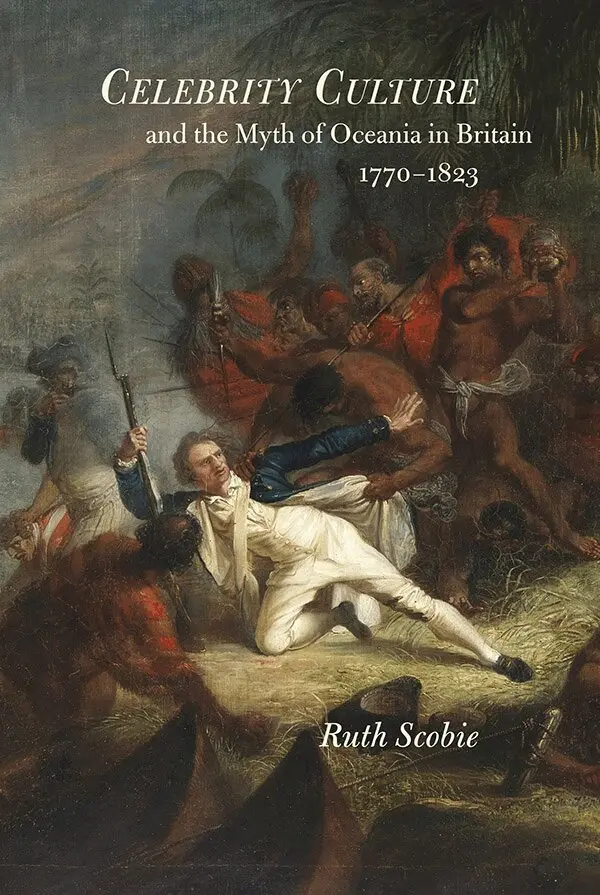
Celebrity Culture and the Myth of Oceania in Britain
1770-1823
Av Ruth Scobie
Inbunden, 2019
1435 kr
Lägg i varukorg
An intriguing case study on how popular images of Oceania, mediated through a developing culture of celebrity, contributed to the formation of British identity both domestically and as a nascent imperial power in the eighteenth century.At the end of the eighteenth century metropolitan Britain was …
Analysis of Mary Wollstonecraft's A Vindication of the Rights of Woman
Av Ruth Scobie
Häftad, 2017
117 kr
Lägg i varukorg
Mary Wollstonecraft’s 1792 Vindication of the Rights of Women is an incendiary attack on the place of women in 18th-century society. Often considered to be the earliest widely-circulated work of feminism, the book is a powerful example of what can be achieved by creative thinkers – people who …
Analysis of Mary Wollstonecraft's A Vindication of the Rights of Woman
Av Ruth Scobie
Inbunden, 2017
343 kr
Lägg i varukorg
Mary Wollstonecraft’s 1792 Vindication of the Rights of Women is an incendiary attack on the place of women in 18th-century society. Often considered to be the earliest widely-circulated work of feminism, the book is a powerful example of what can be achieved by creative thinkers – people who …