Ruth Scurr – författare
Visar alla böcker från författaren Ruth Scurr. Handla med fri frakt och snabb leverans.
11 produkter
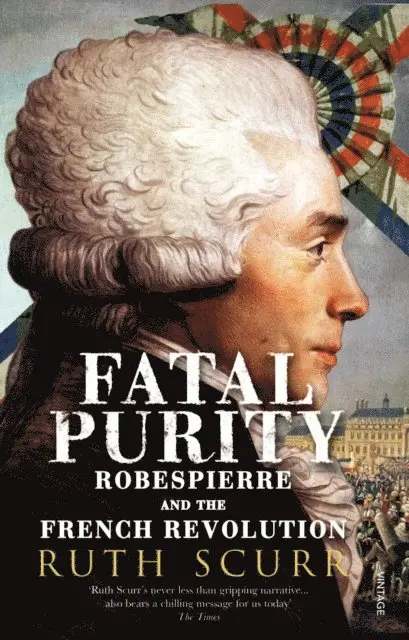
Fatal Purity
Robespierre and the French Revolution
Av Ruth Scurr
Häftad, 2007
188 kr
Lägg i varukorg
'A truly remarkable writer, one of the most gifted non-fiction authors alive' Simon Schama, Financial TimesRobespierre was only thirty-six when he died, sent to the guillotine where he had sent thousands ahead of him. Robespierre and the Revolution were inseparable: a single inflexible tyrant. But …
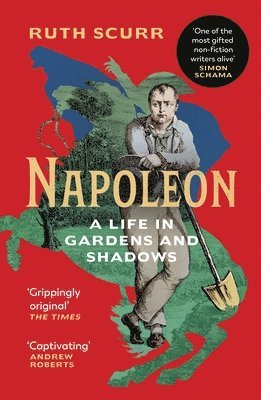
Napoleon
A Life in Gardens and Shadows
Av Ruth Scurr
E-bok, 2021
108 kr
Lägg i varukorg
'Glorious... Scurr is one of the most gifted non-fiction writers alive' Simon Schama, Financial TimesA revelatory portrait of Napoleon written for our own time, exploring his love of nature and the gardens that gave his revolutionary life its light and shade.Napoleon's gardens range from his …
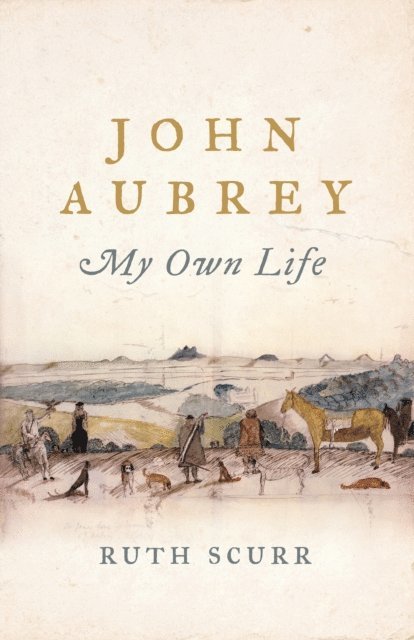
John Aubrey
My Own Life
Av Ruth Scurr
Häftad, 2016
214 kr
Lägg i varukorg
'A truly remarkable writer, one of the most gifted non-fiction authors alive' Simon Schama, Financial TimesSHORTLISTED FOR THE 2015 COSTA BIOGRAPHY AWARDThis is the autobiography that John Aubrey never wrote.You may not know his name. Aubrey was a modest man, a gentleman-scholar who cared far more …
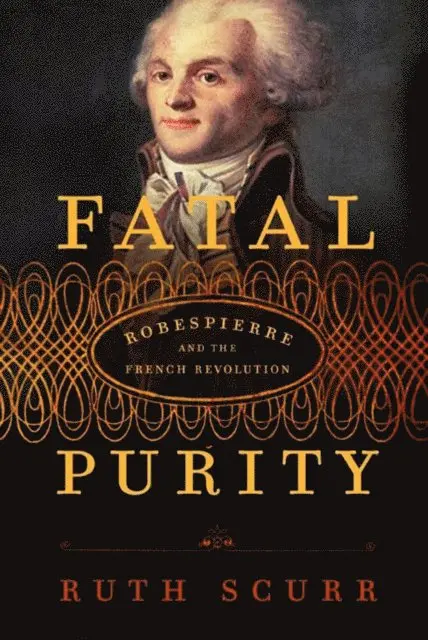
Fatal Purity: Robespierre and the French Revolution
Av Ruth Scurr
Häftad, 2000
5,0 utav 5 stjärnor. Totalt antal röster: (1)
371 kr
Lägg i varukorg
Napoleon – A Life Told in Gardens and Shadows
A Life Told in Gardens and Shadows
Av Ruth Scurr
Häftad, 2026
159 kr
Kommande
"How should one envisage this subject? With a great pomp of words, or with simplicity?" -Charlotte Bronte, "The Death of Napoleon" The most celebrated general in history, Napoleon Bonaparte (1769–1821) has for centuries attracted eminent male writers. Since Thomas Carlyle first christened him “our …
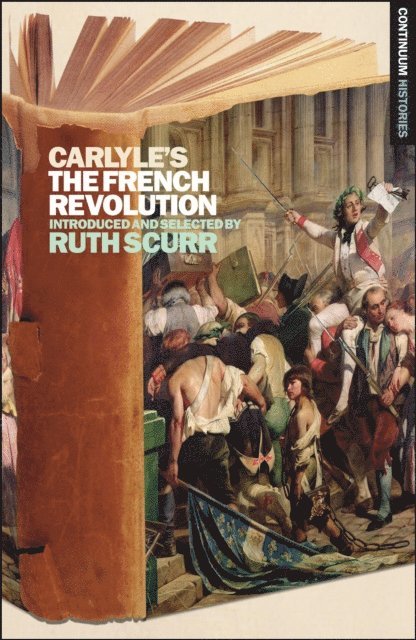
Carlyle's The French Revolution
Continuum Histories 5
Av Ruth Scurr
E-bok, 2010
289 kr
Lägg i varukorg
In 1837 Thomas Carlyle published his work The French Revolution: A History and overnight became a celebrity.The work was filled with a passionate intensity, hitherto unknown in historical writing. In a politically-charged Europe, filled with fears and hopes of revolution, Carlyle's account of the …
Fatal Purity
Robespierre and the French Revolution
Av Ruth Scurr
E-bok, 2012
147 kr
Lägg i varukorg
'A truly remarkable writer, one of the most gifted non-fiction authors alive' Simon Schama, Financial TimesRobespierre was only thirty-six when he died, sent to the guillotine where he had sent thousands ahead of him. Robespierre and the Revolution were inseparable: a single inflexible tyrant. But …
John Aubrey
My Own Life
Av Ruth Scurr
E-bok, 2015
147 kr
Lägg i varukorg
'A truly remarkable writer, one of the most gifted non-fiction authors alive' Simon Schama, Financial TimesSHORTLISTED FOR THE 2015 COSTA BIOGRAPHY AWARDThis is the autobiography that John Aubrey never wrote.You may not know his name. Aubrey was a modest man, a gentleman-scholar who cared far more …
Fatal Purity
Robespierre and the French Revolution
Av Ruth Scurr
E-bok, 2007
180 kr
Lägg i varukorg
"Judicious, balanced, and admirably clear at every point. This is quite the calmest and least abusive history of the Revolution you will ever read." —Hilary Mantel, London Review of Books Since his execution by guillotine in July 1794, Maximilien Robespierre has been contested terrain for …
Napoleon
A Life in Gardens and Shadows
Av Ruth Scurr
Häftad, 2022
138 kr
Lägg i varukorg
'Glorious... Scurr is one of the most gifted non-fiction writers alive' Simon Schama, Financial TimesA revelatory portrait of Napoleon written for our own time, exploring his love of nature and the gardens that gave his revolutionary life its light and shade.Napoleon's gardens range from his …
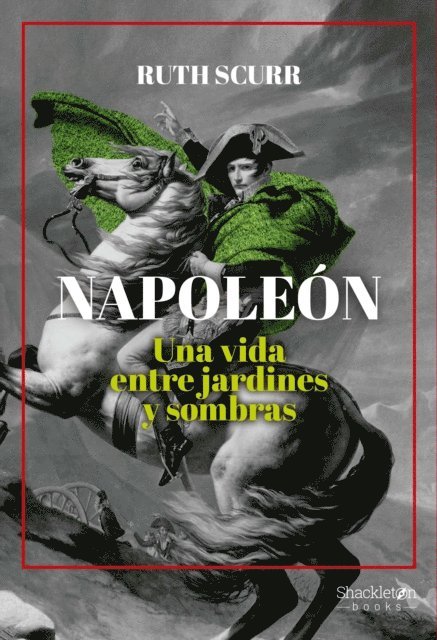
Napoleón
Una vida entre jardines y sombras
Av Ruth Scurr
E-bok, 2022
216 kr
Lägg i varukorg
***LIBRO DEL AÑO para The Times, Sunday Times, Daily Telegraph, Financial Times, Sunday Telegraph e History Today***Durante la Revolución francesa las ideas sobre la naturaleza (la naturaleza humana, el mundo natural y la relación entre ambos) estuvieron en el centro de feroces debates y …