Ruth Teer-Tomaselli – författare
Visar alla böcker från författaren Ruth Teer-Tomaselli. Handla med fri frakt och snabb leverans.
9 produkter
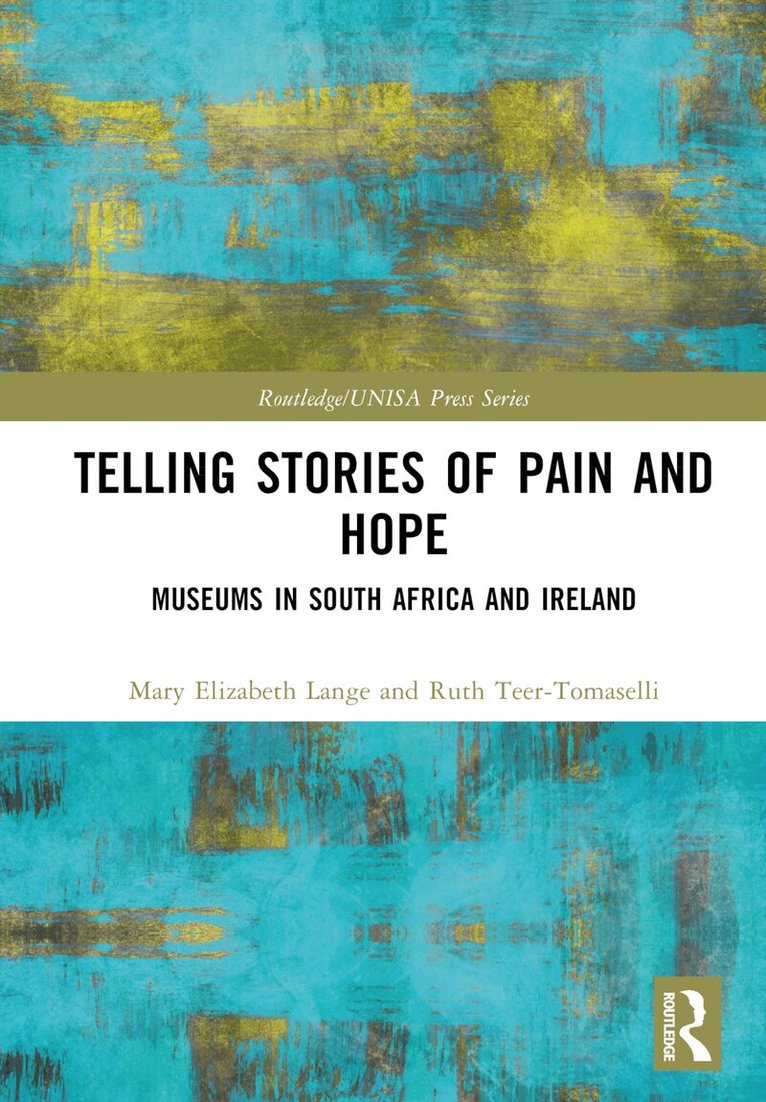
Telling Stories of Pain and Hope
Museums in South Africa and Ireland
Av Mary Elizabeth Lange, Ruth Teer-Tomaselli
Inbunden, 2024
2512 kr
Lägg i varukorg
The histories of South Africa and Ireland have been tumultuous and traumatic. Both countries have experienced political repression, sectarian violence and oppression that still impact the spiritual well-being of people today. Their parallel histories are of colonialism, displacement and division, …
Telling Stories of Pain and Hope
Museums in South Africa and Ireland
Av Mary Elizabeth Lange, Ruth Teer-Tomaselli
Häftad, 2025
706 kr
Lägg i varukorg
The histories of South Africa and Ireland have been tumultuous and traumatic. Both countries have experienced political repression, sectarian violence and oppression that still impact the spiritual well-being of people today. Their parallel histories are of colonialism, displacement and division, …
Telling Stories of Pain and Hope
Museums in South Africa and Ireland
Av Ruth Teer-Tomaselli, Mary Elizabeth Lange
E-bok, 2024
831 kr
Lägg i varukorg
The histories of South Africa and Ireland have been tumultuous and traumatic. Both countries have experienced political repression, sectarian violence and oppression that still impact the spiritual well-being of people today. Their parallel histories are of colonialism, displacement and division, …
Telling Stories of Pain and Hope
Museums in South Africa and Ireland
Av Ruth Teer-Tomaselli, Mary Elizabeth Lange
E-bok, 2024
831 kr
Lägg i varukorg
The histories of South Africa and Ireland have been tumultuous and traumatic. Both countries have experienced political repression, sectarian violence and oppression that still impact the spiritual well-being of people today. Their parallel histories are of colonialism, displacement and division, …
Media and the Empire
Av Ruth Teer-Tomaselli, Donal McCracken
Inbunden, 2016
2586 kr
Lägg i varukorg
This volume on print and broadcast media in the 19th and 20th centuries highlights the pivotal role that the media played in the establishment and maintenance of imperial power. The media bolstered both the ideological and financial objectives of the empire in a myriad of overt, covert, and …
Media and the Empire
Av Ruth Teer-Tomaselli, Donal McCracken
Häftad, 2018
787 kr
Lägg i varukorg
This volume on print and broadcast media in the 19th and 20th centuries highlights the pivotal role that the media played in the establishment and maintenance of imperial power. The media bolstered both the ideological and financial objectives of the empire in a myriad of overt, covert, and …
Media and the Empire
Av Donal McCracken, Ruth Teer-Tomaselli
E-bok, 2017
927 kr
Lägg i varukorg
This volume on print and broadcast media in the 19th and 20th centuries highlights the pivotal role that the media played in the establishment and maintenance of imperial power. The media bolstered both the ideological and financial objectives of the empire in a myriad of overt, covert, and …
Media and the Empire
Av Donal McCracken, Ruth Teer-Tomaselli
E-bok, 2017
927 kr
Lägg i varukorg
This volume on print and broadcast media in the 19th and 20th centuries highlights the pivotal role that the media played in the establishment and maintenance of imperial power. The media bolstered both the ideological and financial objectives of the empire in a myriad of overt, covert, and …
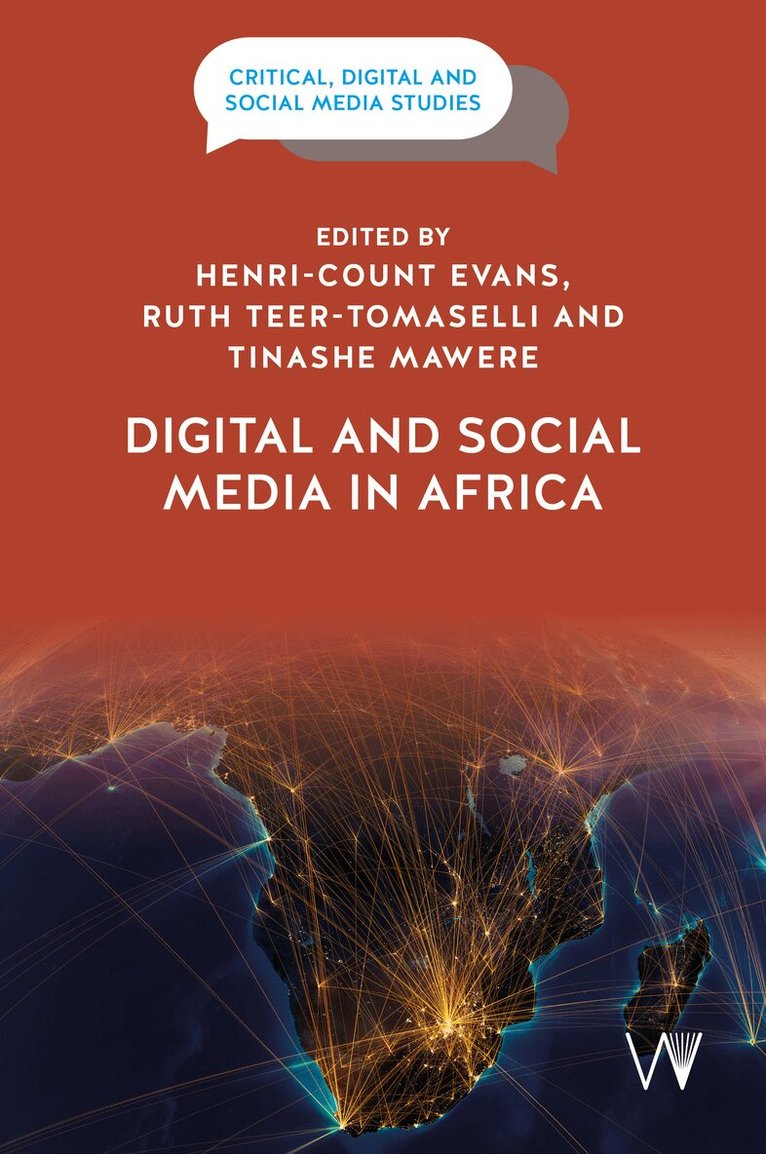
Digital and Social Media in Africa
Av Ruth Teer-Tomaselli, Henri-Count Evans m. fl.
Häftad, 2025
301 kr
Lägg i varukorg
This book provides case studies on the strategies used by African governments in monitoring and controlling digital and social media, as well as the implications of such actions for claims about media freedom and freedom of expression.Further, the book examines the human rights challenges posed by …