Ruti G. Teitel – författare
Visar alla böcker från författaren Ruti G. Teitel. Handla med fri frakt och snabb leverans.
12 produkter
12 produkter
Häftad, Engelska, 2016
436 kr
Skickas inom 5-8 vardagar
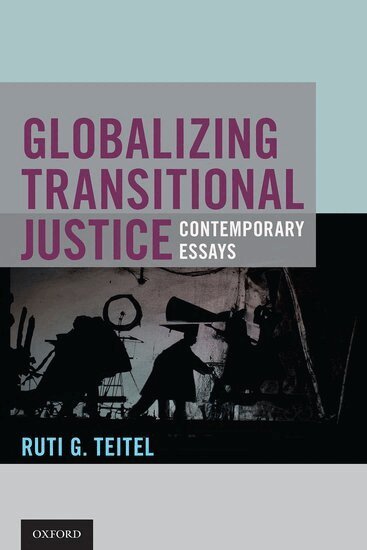
Among the most prominent and significant political and legal developments since the end of the Cold War is the proliferation of mechanisms for addressing the complex challenges of transition from authoritarian rule to human rights-based democratic constitutionalism, particularly with regards to the demands for accountability in relation to conflicts and abuses of the past. Whether one thinks of the Middle East, South Africa, the Balkans, Latin America, or Cambodia, an extraordinary amount of knowledge has been gained and processes instituted through transitional justice. No longer a byproduct or afterthought, transitional justice is unquestionably the driver of political change. In Globalizing Transitional Justice, Ruti G. Teitel provides a collection of her own essays that embody her evolving reflections on the practice and discourse of transitional justice since her book Transitional Justice published back in 2000. In this new book, Teitel focuses on the ways in which transitional justice concepts have found legal expression, especially through human rights law and jurisprudence, and international criminal law. These essays shed light on some of the difficult choices encountered in the design of transitional justice: criminal trials vs. amnesties, or truth commissions; domestic or international processes; peace and reconciliation vs. accountability and punishment. Transitional justice is considered not only in relation to political events and legal developments, but also in relation to the broader social and cultural tendencies of our times.
E-bok
Engelska, 2014553 kr
Läs direkt efter köp
Among the most prominent and significant political and legal developments since the end of the Cold War is the proliferation of mechanisms for addressing the complex challenges of transition from authoritarian rule to human rights-based democratic constitutionalism, particularly with regards to the demands for accountability in relation to conflicts and abuses of the past. Whether one thinks of the Middle East, South Africa, the Balkans, Latin America, or Cambodia, an extraordinary amount of knowledge has been gained and processes instituted through transitional justice. No longer a byproduct or afterthought, transitional justice is unquestionably the driver of political change. In Globalizing Transitional Justice, Ruti G. Teitel provides a collection of her own essays that embody her evolving reflections on the practice and discourse of transitional justice since her book Transitional Justice published back in 2000. In this new book, Teitel focuses on the ways in which transitional justice concepts have found legal expression, especially through human rights law and jurisprudence, and international criminal law. These essays shed light on some of the difficult choices encountered in the design of transitional justice: criminal trials vs. amnesties, or truth commissions; domestic or international processes; peace and reconciliation vs. accountability and punishment. Transitional justice is considered not only in relation to political events and legal developments, but also in relation to the broader social and cultural tendencies of our times.
Inbunden, Engelska, 2025
1 002 kr
Skickas inom 7-10 vardagar
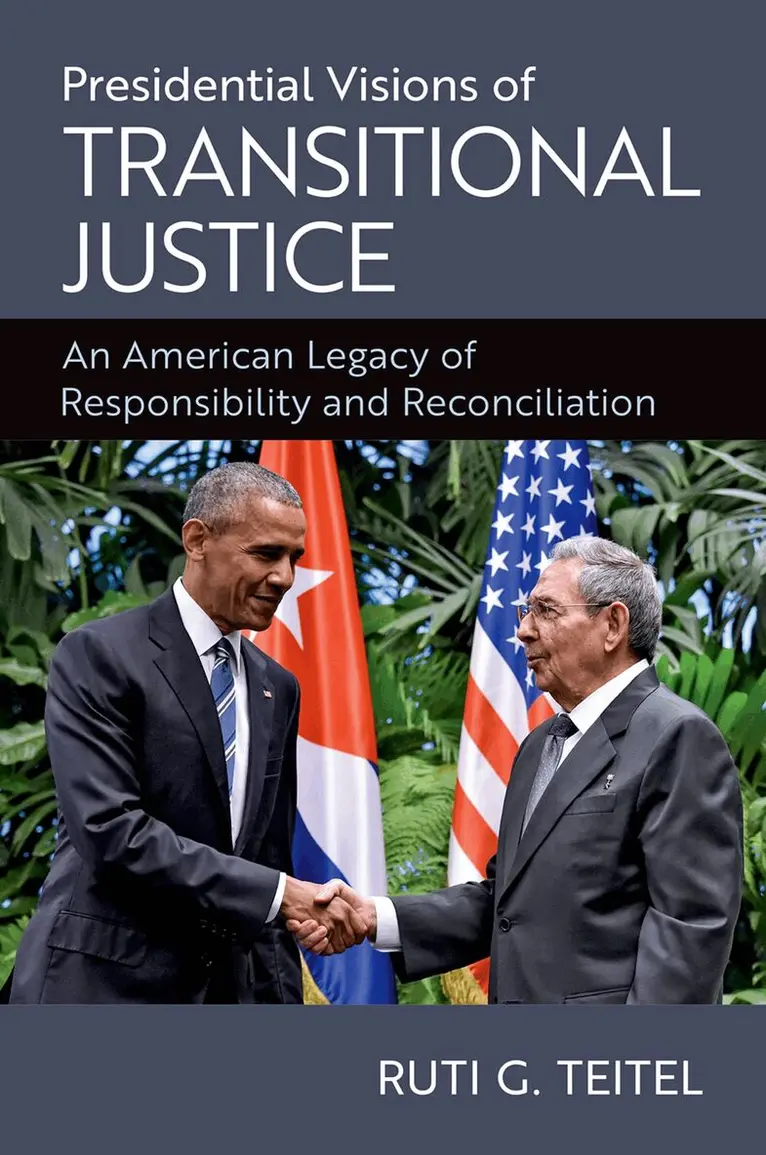
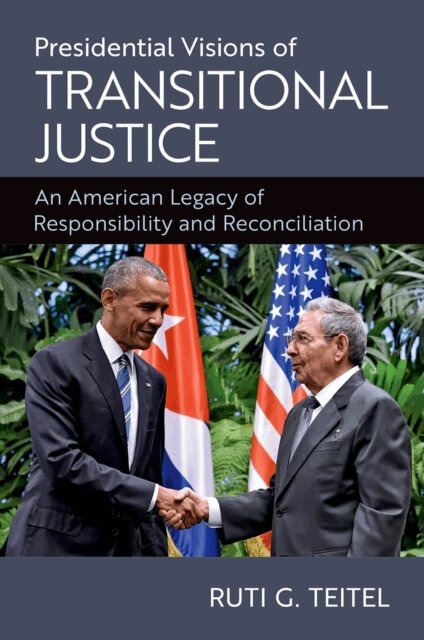
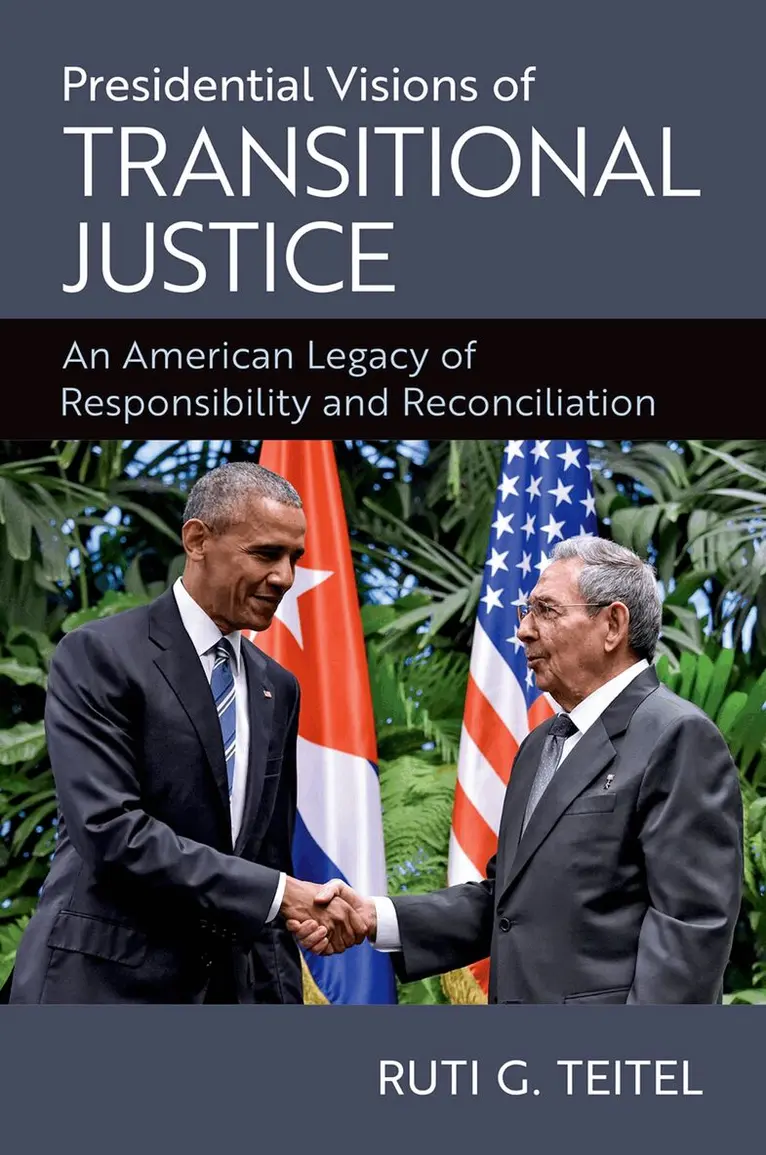
Throughout its history, the growing influence and significance of the United States on the world stage coincided with its the of human rights violations. However, with each momentous societal shift America encountered- its independence from Great Britain, the Civil War, two World Wars, and the fall of the Soviet communist bloc- Presidents have taken the opportunity to address the atrocities of America's past. Presidential Visions of Transitional Justice: An American Legacy of Responsibility and Reconciliation provides a wide-ranging look at how American Presidents not only influence foreign policy but leverage their power and influence to to address the challenges of political violence and transition globally. Professor Ruti G. Teitel uses examples throughout American history to demonstrate how executives have acted as visionaries in their approach to transitional justice from George Washington to Barack Obama. In exploring how Presidents advanced peace-making efforts in the past, this book shows how executives of the future might do the same. Professor Teitel is a leading authority on transitional justice, establishing it as a scholarly field of inquiry. At a time when America's global leadership is subject to significant critical challenge, this latest volume illuminates the importance of transitional justice in foreign policy.
Häftad, Engelska, 2002
351 kr
Skickas inom 5-8 vardagar
At the century's end, societies all over the world are throwing off the yoke of authoritarian rule and beginning to build democracies. At any such time of radical change, the question arises: should a society punish its ancien regime or let bygones be bygones? Transitional Justice takes this question to a new level with an interdisciplinary approach that challenges the very terms of the contemporary debate. Ruti Teitel explores the recurring dilemma of how regimes should respond to evil rule, arguing against the prevailing view favoring punishment, yet contending that the law nevertheless plays a profound role in periods of radical change. Pursuing a comparative and historical approach, she presents a compelling analysis of constitutional, legislative, and administrative responses to injustice following political upheaval. She proposes a new normative conception of justice--one that is highly politicized--offering glimmerings of the rule of law that, in her view, have become symbols of liberal transition.Its challenge to the prevailing assumptions about transitional periods makes this timely and provocative book essential reading for policymakers and scholars of revolution and new democracies.
Inbunden, Engelska, 2014
1 325 kr
Skickas inom 5-8 vardagar
Among the most prominent and significant political and legal developments since the end of the Cold War is the proliferation of mechanisms for addressing the complex challenges of transition from authoritarian rule to human rights-based democratic constitutionalism, particularly with regards to the demands for accountability in relation to conflicts and abuses of the past. Whether one thinks of the Middle East, South Africa, the Balkans, Latin America, or Cambodia, an extraordinary amount of knowledge has been gained and processes instituted through transitional justice. No longer a byproduct or afterthought, transitional justice is unquestionably the driver of political change. In Globalizing Transitional Justice, Ruti G. Teitel provides a collection of her own essays that embody her evolving reflections on the practice and discourse of transitional justice since her book Transitional Justice published back in 2000. In this new book, Teitel focuses on the ways in which transitional justice concepts have found legal expression, especially through human rights law and jurisprudence, and international criminal law. These essays shed light on some of the difficult choices encountered in the design of transitional justice: criminal trials vs. amnesties, or truth commissions; domestic or international processes; peace and reconciliation vs. accountability and punishment. Transitional justice is considered not only in relation to political events and legal developments, but also in relation to the broader social and cultural tendencies of our times.
Häftad, Engelska, 2025
289 kr
Skickas inom 5-8 vardagar
Throughout its history, the growing influence and significance of the United States on the world stage coincided with its legacy of human rights violations. However, with each momentous societal shift America encountered- its independence from Great Britain, the Civil War, two World Wars, and the fall of the Soviet communist bloc- Presidents have taken the opportunity to address the atrocities of America's past. Presidential Visions of Transitional Justice: An American Legacy of Responsibility and Reconciliation provides a wide-ranging look at how American Presidents not only influence foreign policy but leverage their power and influence to to address the challenges of political violence and transition globally. Professor Ruti G. Teitel uses examples throughout American history to demonstrate how executives have acted as visionaries in their approach to transitional justice from George Washington to Barack Obama. In exploring how Presidents advanced peace-making efforts in the past, this book shows how executives of the future might do the same. Professor Teitel is a leading authority on transitional justice, establishing it as a scholarly field of inquiry. At a time when America's global leadership is subject to significant critical challenge, this latest volume illuminates the importance of transitional justice in foreign policy.
E-bok
PDF, Engelska, 2000345 kr
Läs direkt efter köp
At the century''s end, societies all over the world are throwing off the yoke of authoritarian rule and beginning to build democracies. At any such time of radical change, the question arises: should a society punish its ancien regime or let bygones be bygones? Transitional Justice takes this question to a new level with an interdisciplinary approach that challenges the very terms of the contemporary debate. Ruti Teitel explores the recurring dilemma of how regimes should respond to evil rule, arguing against the prevailing view favoring punishment, yet contending that the law nevertheless plays a profound role in periods of radical change. Pursuing a comparative and historical approach, she presents a compelling analysis of constitutional, legislative, and administrative responses to injustice following political upheaval. She proposes a new normative conception of justice--one that is highly politicized--offering glimmerings of the rule of law that, in her view, have become symbols of liberal transition.Its challenge to the prevailing assumptions about transitional periods makes this timely and provocative book essential reading for policymakers and scholars of revolution and new democracies.
E-bok
PDF, Engelska, 2014553 kr
Läs direkt efter köp
Among the most prominent and significant political and legal developments since the end of the Cold War is the proliferation of mechanisms for addressing the complex challenges of transition from authoritarian rule to human rights-based democratic constitutionalism, particularly with regards to the demands for accountability in relation to conflicts and abuses of the past. Whether one thinks of the Middle East, South Africa, the Balkans, Latin America, or Cambodia, an extraordinary amount of knowledge has been gained and processes instituted through transitional justice. No longer a byproduct or afterthought, transitional justice is unquestionably the driver of political change. In Globalizing Transitional Justice, Ruti G. Teitel provides a collection of her own essays that embody her evolving reflections on the practice and discourse of transitional justice since her book Transitional Justice published back in 2000. In this new book, Teitel focuses on the ways in which transitional justice concepts have found legal expression, especially through human rights law and jurisprudence, and international criminal law. These essays shed light on some of the difficult choices encountered in the design of transitional justice: criminal trials vs. amnesties, or truth commissions; domestic or international processes; peace and reconciliation vs. accountability and punishment. Transitional justice is considered not only in relation to political events and legal developments, but also in relation to the broader social and cultural tendencies of our times.
E-bok
Engelska, 2002425 kr
Läs direkt efter köp
At the century''s end, societies all over the world are throwing off the yoke of authoritarian rule and beginning to build democracies. At any such time of radical change, the question arises: should a society punish its ancien regime or let bygones be bygones? Transitional Justice takes this question to a new level with an interdisciplinary approach that challenges the very terms of the contemporary debate. Ruti Teitel explores the recurring dilemma of how regimes should respond to evil rule, arguing against the prevailing view favoring punishment, yet contending that the law nevertheless plays a profound role in periods of radical change. Pursuing a comparative and historical approach, she presents a compelling analysis of constitutional, legislative, and administrative responses to injustice following political upheaval. She proposes a new normative conception of justice--one that is highly politicized--offering glimmerings of the rule of law that, in her view, have become symbols of liberal transition.Its challenge to the prevailing assumptions about transitional periods makes this timely and provocative book essential reading for policymakers and scholars of revolution and new democracies.
E-bok
PDF, Engelska, 20161 672 kr
Läs direkt efter köp
How will a unified Korea respond to the Kim regime''s crimes against humanity? Will North and South Korea be able to reconcile their differences after being divided for so long? Will China, the US, Japan, Russia, and U.N. drive the process? This book examines the challenges associated with Korean unification and human rights accountability.
Inbunden, Engelska, 2015
1 417 kr
Skickas inom 10-15 vardagar
How will a unified Korea respond to the Kim regime's crimes against humanity? Will North and South Korea be able to reconcile their differences after being divided for so long? Will China, the US, Japan, Russia, and U.N. drive the process? This book examines the challenges associated with Korean unification and human rights accountability.
E-bok
Spanska, 2017147 kr
Läs direkt efter köp
En las primeras décadas del siglo XXI, varias sociedades del mundo entero aún intentan liberarse del yugo del autoritarismo y construir democracia. En este momento de cambio radical surge la pregunta: ¿Deben tales sociedades investigar y castigar a los perpetradores de atrocidades en los antiguos regímenes o asumir que lo pasado, pasado está? Este fascinante trabajo lleva el estudio del tema a un nuevo nivel, y desafía los términos de este debate contemporáneo.Desde una perspectiva interdisciplinaria, Ruti G. Teitel explora las formas como una sociedad debe responder a regímenes violatorios de derechos humanos. A pesar de que ella argumenta en contra de la perspectiva prevalente que se inclina a favor de la imposición de penas, Teitel señala que el derecho cumple profundo en tiempos de cambio radical.