Ryan Lizardi - Böcker
Visar alla böcker från författaren Ryan Lizardi. Handla med fri frakt och snabb leverans.
7 produkter
7 produkter
1 314 kr
Skickas inom 10-15 vardagar
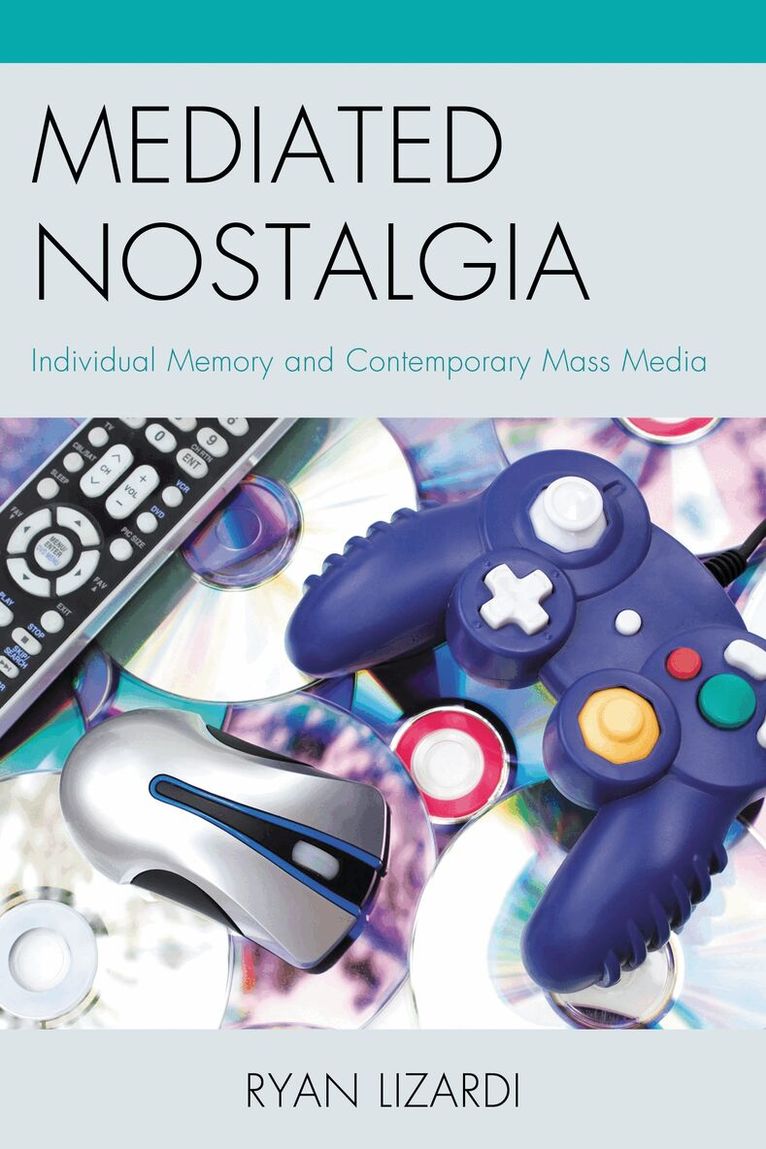
Considering the current rash of film remakes, vintage video game downloads, and box sets of bygone television shows, media today is obsessed with nostalgia. Instead of presenting a past that functions as an adaptive mirror with which we can compare our contemporary situation, the past is instead presented as an individualized version that transfixes us as uncritical citizens of our own culture. Mediated Nostalgia: Individual Memory and Contemporary Mass Media argues that the cultural implication of a cross-media eternal return to nostalgia is an increasing reliance on defining who we are as people and societies by what media we consumed as children. The unblinking eye toward the past knows no progress, or at the very least, does not employ the past to compare and adaptively engage with the present or future. Examining film, literature, television, and video games, Ryan Lizardi tackles the idea of why that strong sense of nostalgia is such a popular tactic for the media industry, and why it is problematic.
599 kr
Skickas inom 10-15 vardagar
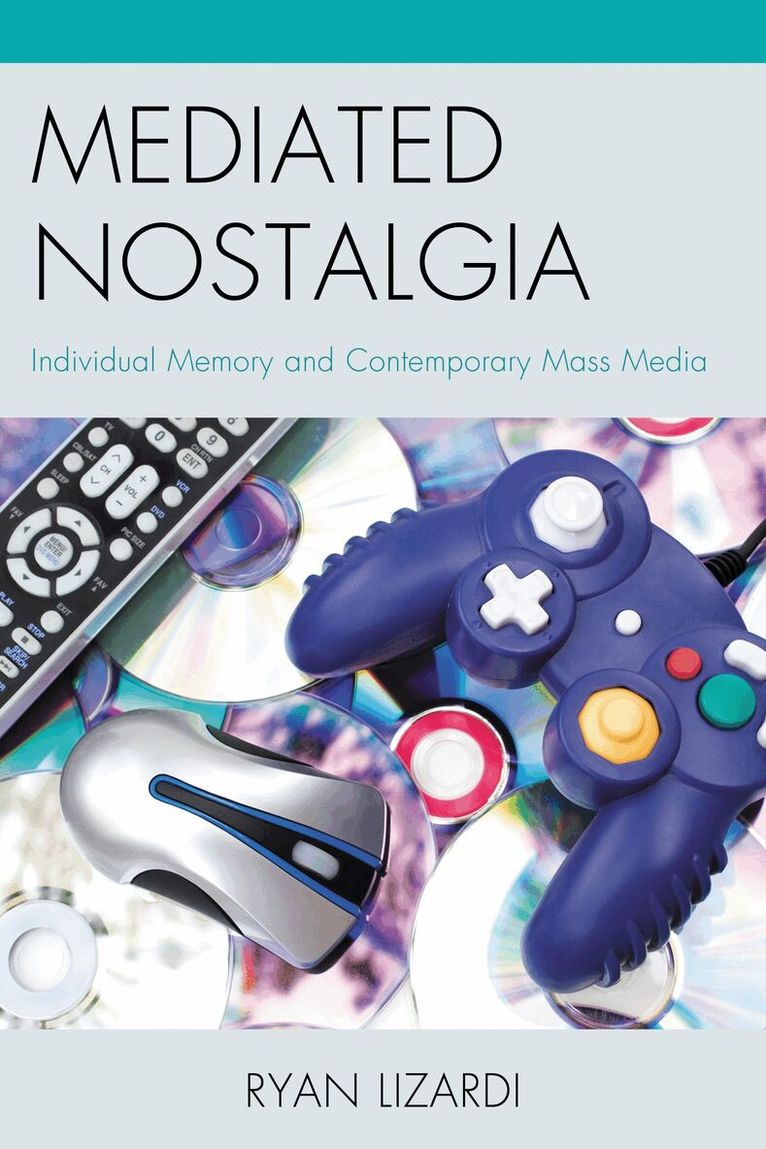
Considering the current rash of film remakes, vintage video game downloads, and box sets of bygone television shows, media today is obsessed with nostalgia. Instead of presenting a past that functions as an adaptive mirror with which we can compare our contemporary situation, the past is instead presented as an individualized version that transfixes us as uncritical citizens of our own culture. Mediated Nostalgia: Individual Memory and Contemporary Mass Media argues that the cultural implication of a cross-media eternal return to nostalgia is an increasing reliance on defining who we are as people and societies by what media we consumed as children. The unblinking eye toward the past knows no progress, or at the very least, does not employ the past to compare and adaptively engage with the present or future. Examining film, literature, television, and video games, Ryan Lizardi tackles the idea of why that strong sense of nostalgia is such a popular tactic for the media industry, and why it is problematic.
1 290 kr
Skickas inom 5-8 vardagar
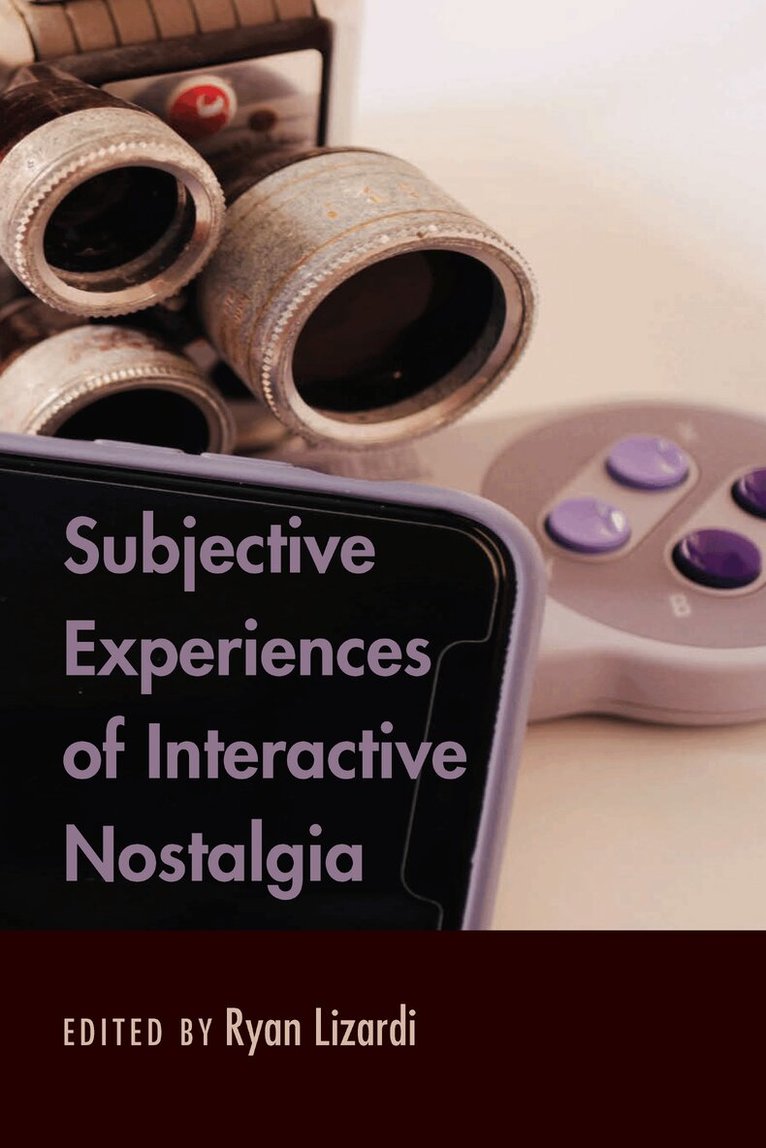
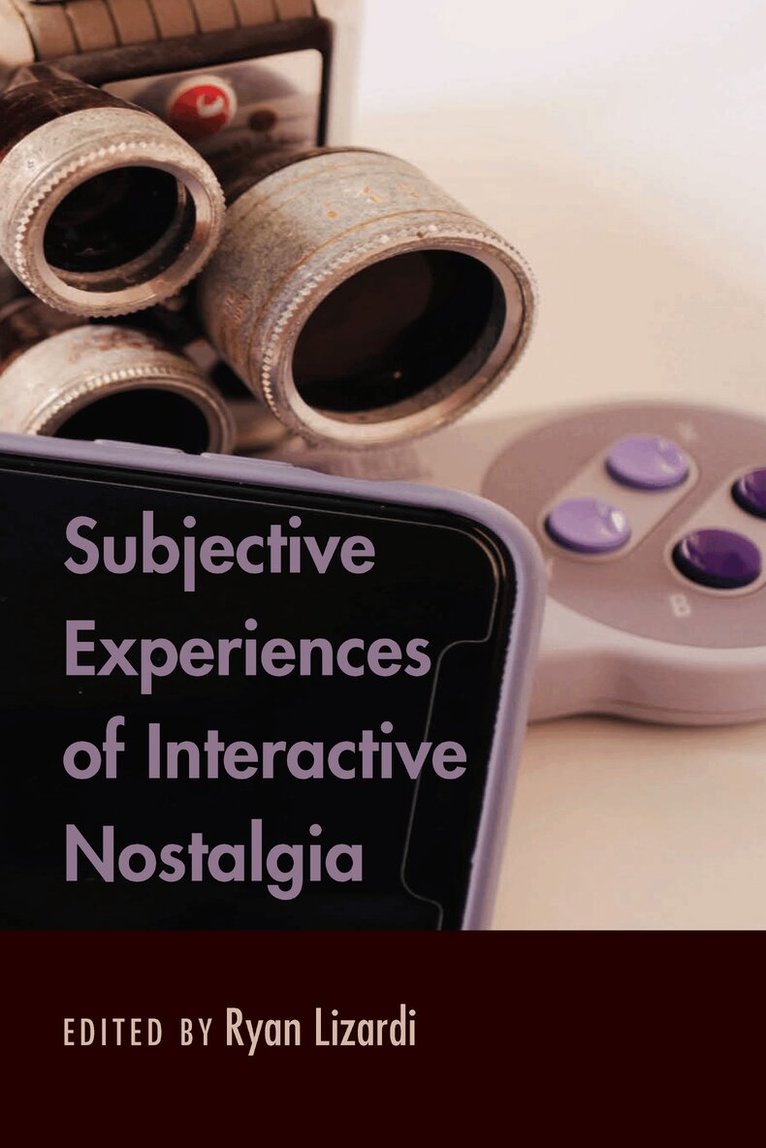
From explorations of video game series to Netflix shows to Facebook timelines, Subjective Experiences of Interactive Nostalgia helps readers understand what it is actually like to be nostalgic in a world that increasingly asks us to interact with our past. Interdisciplinary authors tackle the subject from historical, philosophical, rhetorical, sociological, and economic perspectives, all the while asking big questions about what it means to be asked to be active participants in our own mediated histories. Scholars and pop culture enthusiasts alike will find something to love as this collection moves from a look at traditional interactive media, such as video games, to nostalgia within all things digital and ends with a rethinking of the potentials of nostalgia itself.
484 kr
Skickas inom 5-8 vardagar
From explorations of video game series to Netflix shows to Facebook timelines, Subjective Experiences of Interactive Nostalgia helps readers understand what it is actually like to be nostalgic in a world that increasingly asks us to interact with our past. Interdisciplinary authors tackle the subject from historical, philosophical, rhetorical, sociological, and economic perspectives, all the while asking big questions about what it means to be asked to be active participants in our own mediated histories. Scholars and pop culture enthusiasts alike will find something to love as this collection moves from a look at traditional interactive media, such as video games, to nostalgia within all things digital and ends with a rethinking of the potentials of nostalgia itself.
1 192 kr
Skickas inom 10-15 vardagar
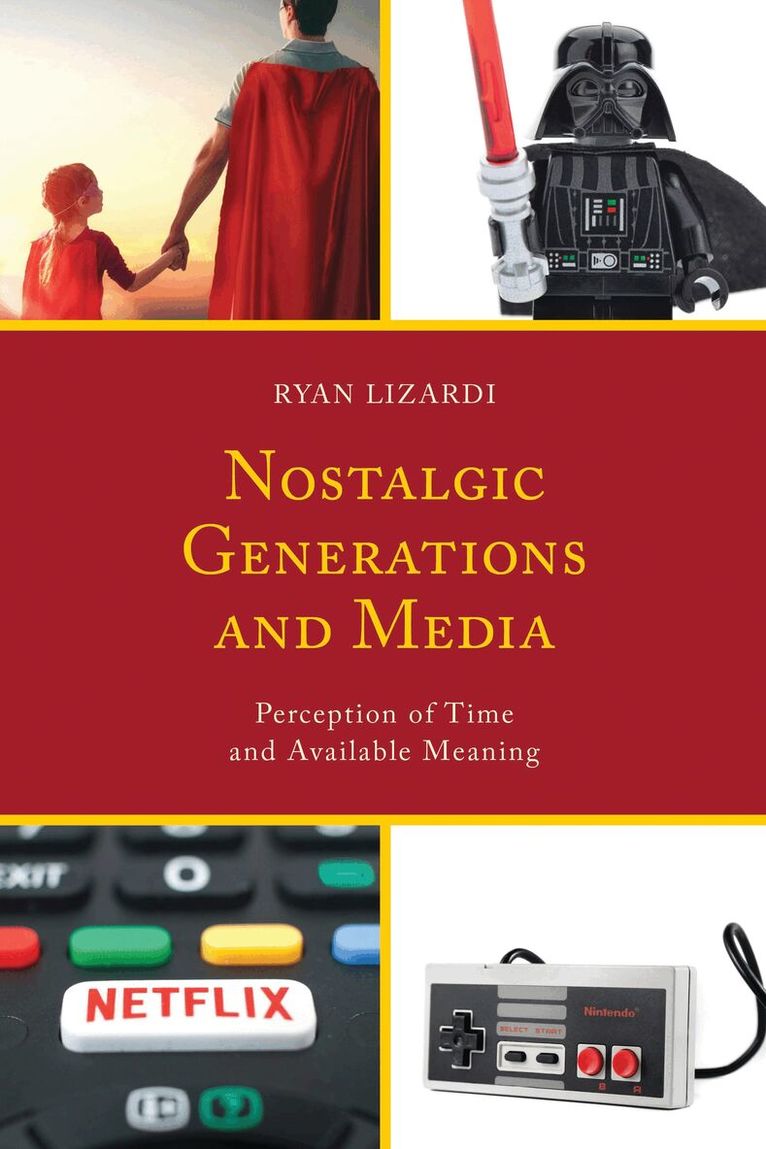
Nostalgic Generations and Media: Perception of Time and Available Meaning argues that the cultural rise in nostalgic media has the multi-generational impact of making the subjective experience of time speed up for those who are nostalgic, as well as create a surrogate nostalgic identity for younger generations by continually feeding them the content of their elders. This book is recommended for scholars interested in communication, media studies, and memory/nostalgia studies.
1 076 kr
Skickas inom 10-15 vardagar
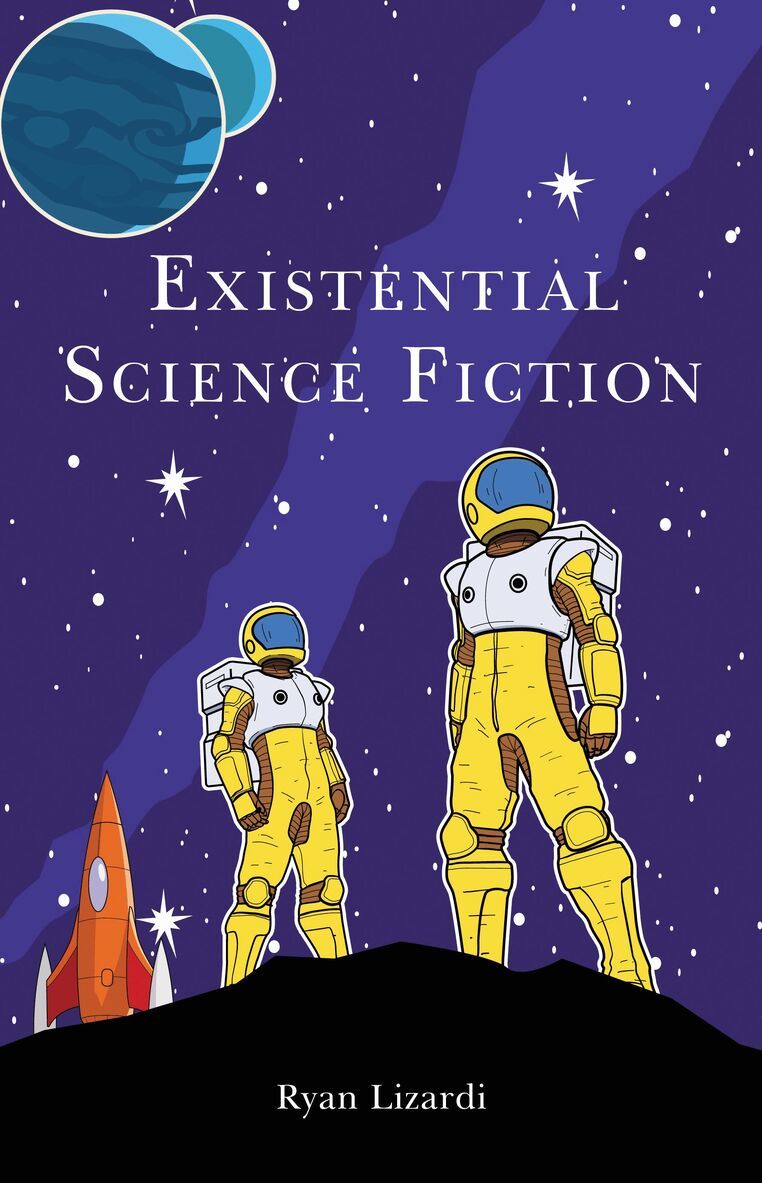
This book explores contemporary existential science fiction media, including film, television, and video games, and their influence on society’s conceptions of memory, identity, and humanity. Most poignantly, Ryan Lizardi argues, are the ways in which a recent cluster of science fiction media, including Gravity (2013), Interstellar (2014), Legion (2017-2019), Westworld (2016-present), SOMA (2015), and Death Stranding (2019), among others, present a vision of the future that is inextricably tied to an exploration of humanity that is more contemplative and comparative than traditional science fiction. The combination of the existential nature of this current trend in science fiction with the genre’s ability to manifest these abstract concepts in a generic environment that is historically focused on new frontiers and ideas creates a powerful set of media texts that ask audiences to contemplate what it means to exist, think, and connect as human beings. Scholars of media studies, film studies, television studies, genre studies, and philosophy will find this book particularly useful.
434 kr
Skickas inom 10-15 vardagar
This book explores contemporary existential science fiction media, including film, television, and video games, and their influence on society’s conceptions of memory, identity, and humanity. Most poignantly, Ryan Lizardi argues, are the ways in which a recent cluster of science fiction media, including Gravity (2013), Interstellar (2014), Legion (2017-2019), Westworld (2016-present), SOMA (2015), and Death Stranding (2019), among others, present a vision of the future that is inextricably tied to an exploration of humanity that is more contemplative and comparative than traditional science fiction. The combination of the existential nature of this current trend in science fiction with the genre’s ability to manifest these abstract concepts in a generic environment that is historically focused on new frontiers and ideas creates a powerful set of media texts that ask audiences to contemplate what it means to exist, think, and connect as human beings. Scholars of media studies, film studies, television studies, genre studies, and philosophy will find this book particularly useful.