Ryan Powell – författare
Visar alla böcker från författaren Ryan Powell. Handla med fri frakt och snabb leverans.
12 produkter
12 produkter
Inbunden, Engelska, 2019
1 049 kr
Skickas inom 5-8 vardagar
In Coming Together, Ryan Powell captures the social and political vitality of the first wave of movies made by, for, and about male-desiring men in the United States between World War II and the 1980s. From the underground films of Kenneth Anger and the Gay Girls Riding Club to the gay liberation era hardcore films and domestic dramas of Joe Gage and James Bidgood, Powell illuminates how central filmmaking and exhibition were to gay socializing and worldmaking. Unearthing scores of films and a trove of film-related ephemera, Coming Together persuasively unsettles popular histories that center Stonewall as a ground zero for gay liberation and visibility. Powell asks how this earlier generation of movie-making--which defiantly challenged legal and cultural norms around sexuality and gender--provided, and may still provide, meaningful models for living.
Häftad, Engelska, 2019
324 kr
Skickas inom 5-8 vardagar
In Coming Together, Ryan Powell captures the social and political vitality of the first wave of movies made by, for, and about male-desiring men in the United States between World War II and the 1980s. From the underground films of Kenneth Anger and the Gay Girls Riding Club to the gay liberation era hardcore films and domestic dramas of Joe Gage and James Bidgood, Powell illuminates how central filmmaking and exhibition were to gay socializing and worldmaking. Unearthing scores of films and a trove of film-related ephemera, Coming Together persuasively unsettles popular histories that center Stonewall as a ground zero for gay liberation and visibility. Powell asks how this earlier generation of movie-making--which defiantly challenged legal and cultural norms around sexuality and gender--provided, and may still provide, meaningful models for living.
E-bok
Engelska, 2019620 kr
Läs direkt efter köp
In Coming Together, Ryan Powell captures the social and political vitality of the first wave of movies made by, for, and about male-desiring men in the United States between World War II and the 1980s. From the underground films of Kenneth Anger and the Gay Girls Riding Club to the gay liberation-era hardcore films and domestic dramas of Joe Gage and James Bidgood, Powell illuminates how central filmmaking and exhibition were to gay socializing and worldmaking. Unearthing scores of films and a trove of film-related ephemera, Coming Together persuasively unsettles popular histories that center Stonewall as a ground zero for gay liberation and visibility. Powell asks how this generation of movie-making—which defiantly challenged legal and cultural norms around sexuality and gender—provided, and may still provide, meaningful models for living.
Inbunden, Engelska, 2025
2 193 kr
Skickas inom 10-15 vardagar
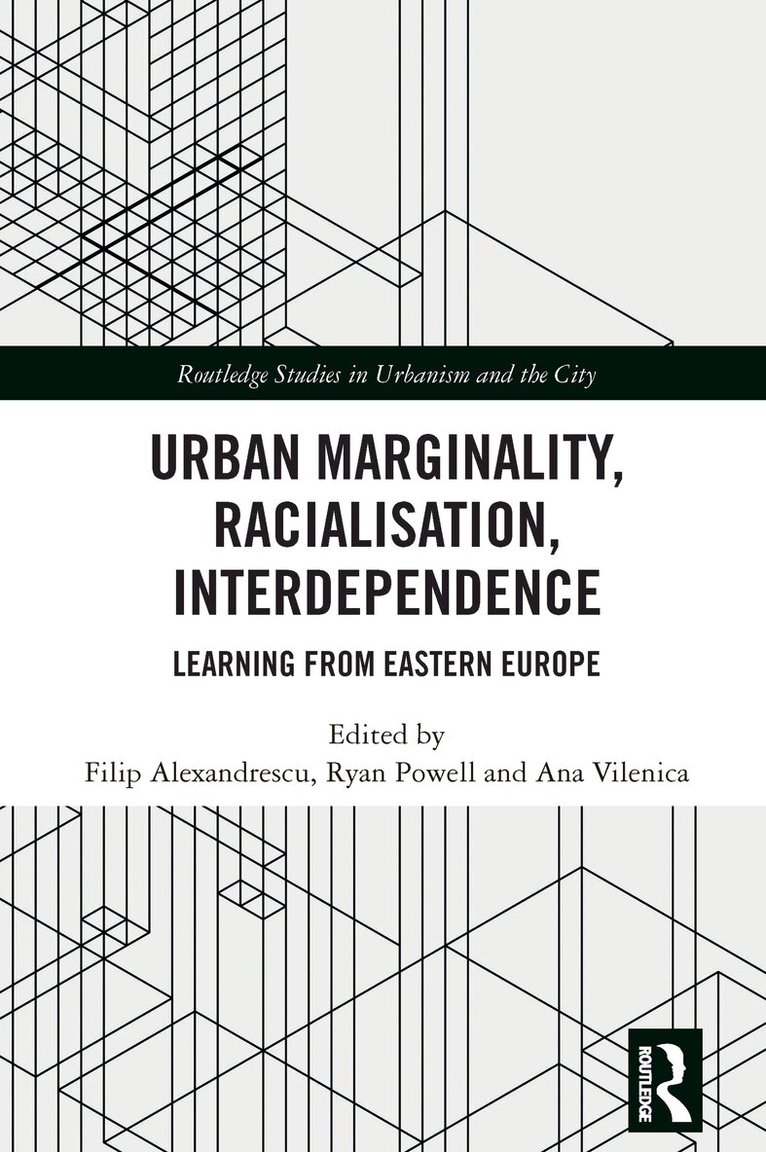
This timely and interdisciplinary book deals with urban marginality as a multi-faceted process of urban transformation that engenders a wide range of experiences world-wide.Through the application of new empirical material and novel theoretical syntheses that exceed conceptual binaries (East-West, North-South), the authors explore shifting contemporary experiences of marginality in various urban contexts in Eastern Europe (EE). The unique articulation between global processes – such as gentrification, financialization, racialization and spatialization – and the distinctive histories, contestations and dislocations that characterize EE cities calls for increasing scholarly attention. The volume explores new patterns and drivers of urban marginality and racialization, and at the same time connects these to wider problematics of “advanced capitalist” cities as well as to post-socialist and anti-colonial urbanisms. The fourteen chapters contribute to a more nuanced understanding of global urbanism that decentres dominant Anglophone conceptualisations. Contributions focus empirically and theoretically on Czechia, Estonia, Hungary, Kosovo, Latvia, Lithuania, Romania, Serbia and Ukraine.The volume is recommended for students and urban scholars in EE and beyond, but will also be of interest to activists involved in housing and urban justice as well as in broader struggles towards the anti-racist city.
Häftad, Engelska, 2026
665 kr
Kommande
This timely and interdisciplinary book deals with urban marginality as a multi-faceted process of urban transformation that engenders a wide range of experiences world-wide.Through the application of new empirical material and novel theoretical syntheses that exceed conceptual binaries (East-West, North-South), the authors explore shifting contemporary experiences of marginality in various urban contexts in Eastern Europe (EE). The unique articulation between global processes – such as gentrification, financialization, racialization and spatialization – and the distinctive histories, contestations and dislocations that characterize EE cities calls for increasing scholarly attention. The volume explores new patterns and drivers of urban marginality and racialization, and at the same time connects these to wider problematics of “advanced capitalist” cities as well as to post-socialist and anti-colonial urbanisms. The fourteen chapters contribute to a more nuanced understanding of global urbanism that decentres dominant Anglophone conceptualisations. Contributions focus empirically and theoretically on Czechia, Estonia, Hungary, Kosovo, Latvia, Lithuania, Romania, Serbia and Ukraine.The volume is recommended for students and urban scholars in EE and beyond, but will also be of interest to activists involved in housing and urban justice as well as in broader struggles towards the anti-racist city.
E-bok
PDF, Engelska, 2025746 kr
Läs direkt efter köp
This timely and interdisciplinary book deals with urban marginality as a multi-faceted process of urban transformation that engenders a wide range of experiences world-wide.Through the application of new empirical material and novel theoretical syntheses that exceed conceptual binaries (East-West, North-South), the authors explore shifting contemporary experiences of marginality in various urban contexts in Eastern Europe (EE). The unique articulation between global processes - such as gentrification, financialization, racialization and spatialization - and the distinctive histories, contestations and dislocations that characterize EE cities calls for increasing scholarly attention. The volume explores new patterns and drivers of urban marginality and racialization, and at the same time connects these to wider problematics of "e;advanced capitalist"e; cities as well as to post-socialist and anti-colonial urbanisms. The fourteen chapters contribute to a more nuanced understanding of global urbanism that decentres dominant Anglophone conceptualisations. Contributions focus empirically and theoretically on Czechia, Estonia, Hungary, Kosovo, Latvia, Lithuania, Romania, Serbia and Ukraine.The volume is recommended for students and urban scholars in EE and beyond, but will also be of interest to activists involved in housing and urban justice as well as in broader struggles towards the anti-racist city.
746 kr
Läs direkt efter köp
This timely and interdisciplinary book deals with urban marginality as a multi-faceted process of urban transformation that engenders a wide range of experiences world-wide.Through the application of new empirical material and novel theoretical syntheses that exceed conceptual binaries (East-West, North-South), the authors explore shifting contemporary experiences of marginality in various urban contexts in Eastern Europe (EE). The unique articulation between global processes - such as gentrification, financialization, racialization and spatialization - and the distinctive histories, contestations and dislocations that characterize EE cities calls for increasing scholarly attention. The volume explores new patterns and drivers of urban marginality and racialization, and at the same time connects these to wider problematics of "e;advanced capitalist"e; cities as well as to post-socialist and anti-colonial urbanisms. The fourteen chapters contribute to a more nuanced understanding of global urbanism that decentres dominant Anglophone conceptualisations. Contributions focus empirically and theoretically on Czechia, Estonia, Hungary, Kosovo, Latvia, Lithuania, Romania, Serbia and Ukraine.The volume is recommended for students and urban scholars in EE and beyond, but will also be of interest to activists involved in housing and urban justice as well as in broader struggles towards the anti-racist city.
Häftad, Engelska, 2016
280 kr
Skickas inom 3-6 vardagar
Häftad, Engelska, 2016
430 kr
Skickas inom 3-6 vardagar
Inbunden, Engelska, 2019
1 307 kr
Skickas inom 10-15 vardagar
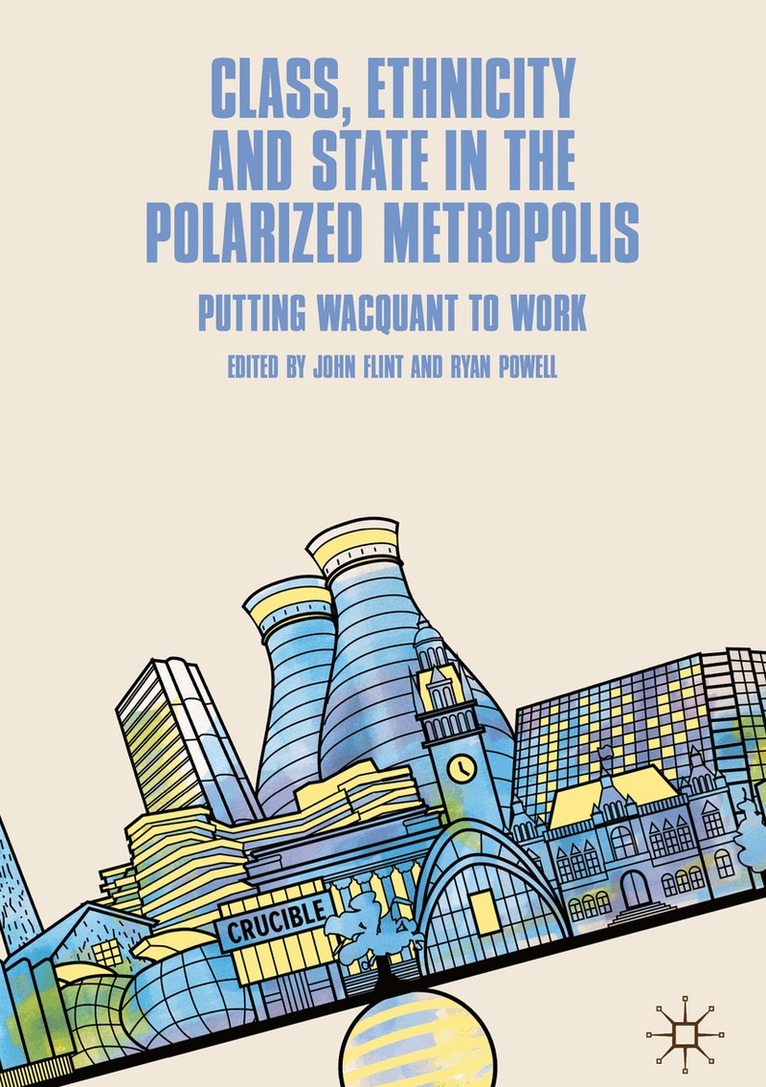
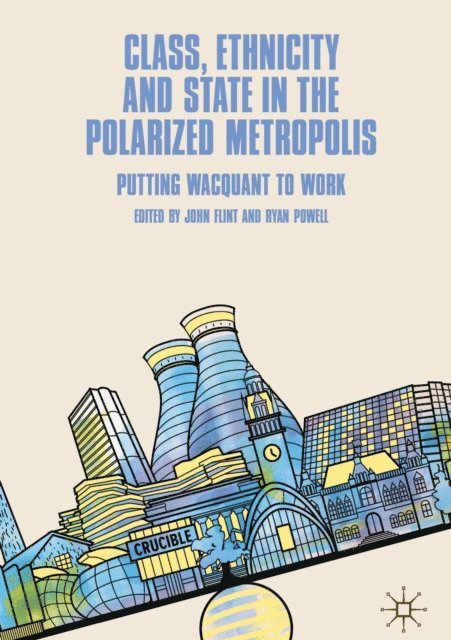
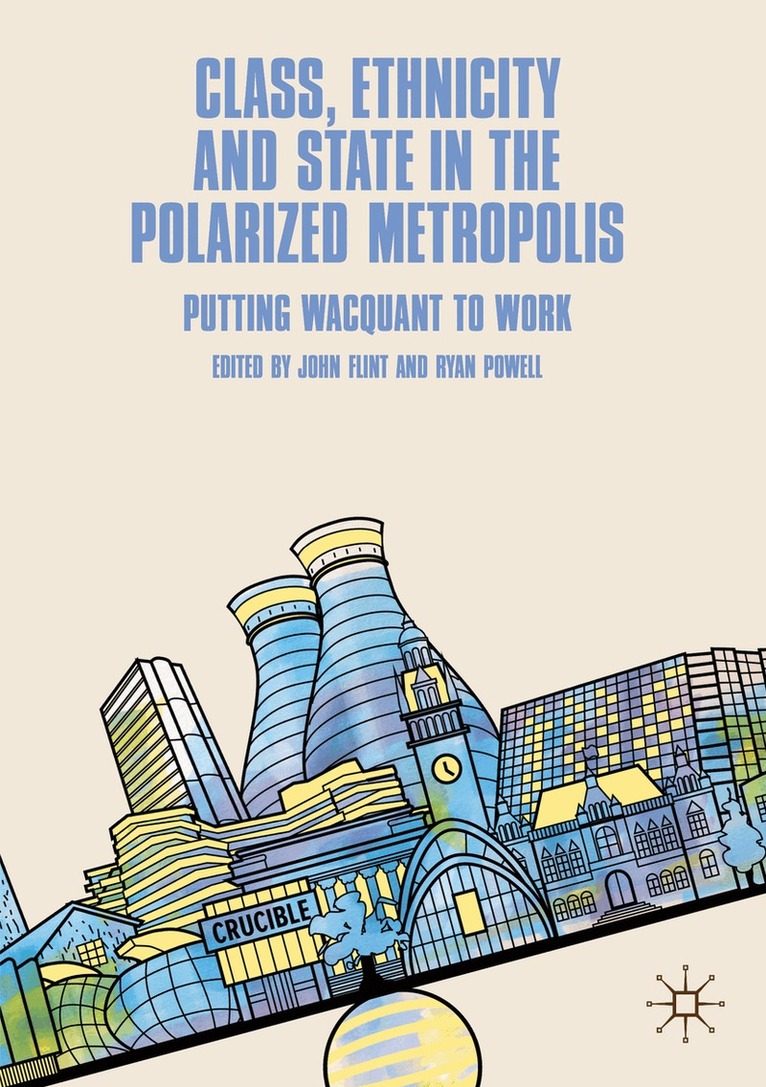
Loïc Wacquant is one of the most influential sociological theorists of the contemporary era with his research and writings resonating widely across the social sciences. This edited collection critically responds to Wacquant’s distinct approach to understanding the contemporary urban condition in advanced capitalist societies. It comprises chapters focused on Europe and North America from leading international scholars and new emergent voices, which chart new empirical, theoretical and methodological territory. Pivoting on the relationship between class, ethnicity and the state in the (re-)making of urban marginality, the volume takes stock of Wacquant’s body of work and assesses its value as a springboard for rethinking urban inequality in polarizing times. Heeding Wacquant’s call for constant theoretical critique and development in understanding dynamic urban relations and processes, the contributions challenge, develop and refine Wacquant’s framework, while also synthesizing it with other perspectives and bringing it into dialogue with new areas of inquiry. How can Wacquant’s work aid the empirical understanding of today’s complex urban inequalities? And how can empirical investigation and theoretical synthesis aid the development of Wacquant’s framework? The diverse contributors to the collection ask these, and other, searching questions – and Wacquant responds to this critique in the final chapter. This book will be of interest to scholars engaged in understanding the drivers, contexts, and potential responses to contemporary urban marginality.
1 138 kr
Läs direkt efter köp
Loïc Wacquant is one of the most influential sociological theorists of the contemporary era with his research and writings resonating widely across the social sciences. This edited collection critically responds to Wacquant’s distinct approach to understanding the contemporary urban condition in advanced capitalist societies. It comprises chapters focused on Europe and North America from leading international scholars and new emergent voices, which chart new empirical, theoretical and methodological territory. Pivoting on the relationship between class, ethnicity and the state in the (re-)making of urban marginality, the volume takes stock of Wacquant’s body of work and assesses its value as a springboard for rethinking urban inequality in polarizing times. Heeding Wacquant’s call for constant theoretical critique and development in understanding dynamic urban relations and processes, the contributions challenge, develop and refine Wacquant’s framework, while also synthesizing it with other perspectives and bringing it into dialogue with new areas of inquiry. How can Wacquant’s work aid the empirical understanding of today’s complex urban inequalities? And how can empirical investigation and theoretical synthesis aid the development of Wacquant’s framework? The diverse contributors to the collection ask these, and other, searching questions – and Wacquant responds to this critique in the final chapter. This book will be of interest to scholars engaged in understanding the drivers, contexts, and potential responses to contemporary urban marginality.
Häftad, Engelska, 2020
928 kr
Skickas inom 10-15 vardagar
Loïc Wacquant is one of the most influential sociological theorists of the contemporary era with his research and writings resonating widely across the social sciences. This edited collection critically responds to Wacquant’s distinct approach to understanding the contemporary urban condition in advanced capitalist societies. It comprises chapters focused on Europe and North America from leading international scholars and new emergent voices, which chart new empirical, theoretical and methodological territory. Pivoting on the relationship between class, ethnicity and the state in the (re-)making of urban marginality, the volume takes stock of Wacquant’s body of work and assesses its value as a springboard for rethinking urban inequality in polarizing times. Heeding Wacquant’s call for constant theoretical critique and development in understanding dynamic urban relations and processes, the contributions challenge, develop and refine Wacquant’s framework, while also synthesizing it with other perspectives and bringing it into dialogue with new areas of inquiry. How can Wacquant’s work aid the empirical understanding of today’s complex urban inequalities? And how can empirical investigation and theoretical synthesis aid the development of Wacquant’s framework? The diverse contributors to the collection ask these, and other, searching questions – and Wacquant responds to this critique in the final chapter. This book will be of interest to scholars engaged in understanding the drivers, contexts, and potential responses to contemporary urban marginality.