S. N. Chatterjee - Böcker
Visar alla böcker från författaren S. N. Chatterjee. Handla med fri frakt och snabb leverans.
3 produkter
3 produkter
1 092 kr
Skickas inom 10-15 vardagar
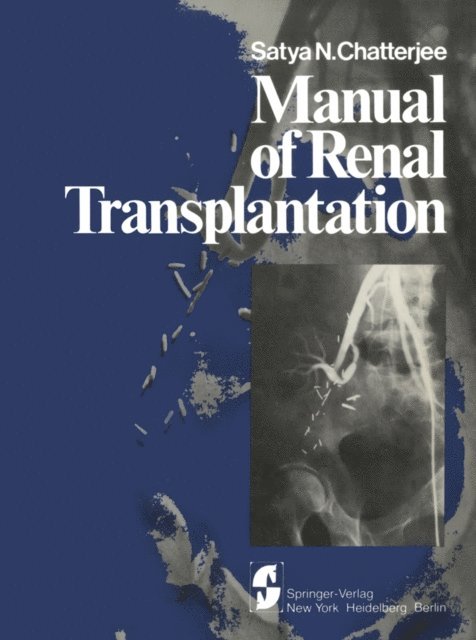
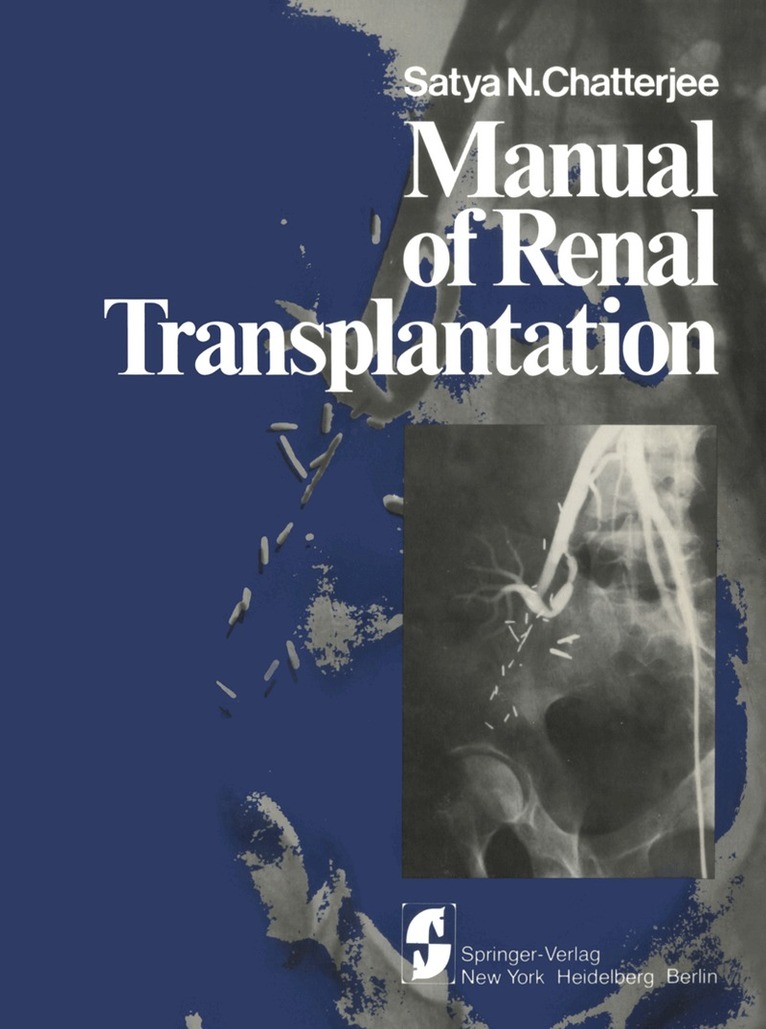
As any new field in medicine develops, an the history of transplantation and the current accompanying documentation occurs in a rea status of hemodialysis as it relates to trans sonable and logical sequence. Early in the de plantation. In addition, the areas of tissue his to velopmental life of clinical transplantation, compatability typing, patient evaluation, the many research articles and case reports were transplant operation, immunosuppressive drugs, presented in the literature, and shortly there and follow-up investigations are well and clearly after, a series of textbooks were published. documented, as are the medical complications These textbooks dealt primarily with the per and the psychiatric and social problems en sonal experiences of clinicians working in the countered in kidney transplantation. major centers, who were embarking in the new Although Dr. Chatterjee draws primarily on field, as were Dr. Starzl, Dr. CaIne, Dr. Sim his own experiences, he fairly presents all the mons, and myself. This field of investigation has issues in areas in which there is controversy or now become an accepted clinical discipline, and differences of opinion. Most major university thus it is highly desirable that a manual should medical centers now have a clinical renal trans be available for the residents and house staff plantation service, and I feel that this manual who will receive training in this important area. will be an invaluable tool for their house staff In this manual, Dr. Satya N. Chatterjee pre and students alike.
1 635 kr
Skickas inom 10-15 vardagar
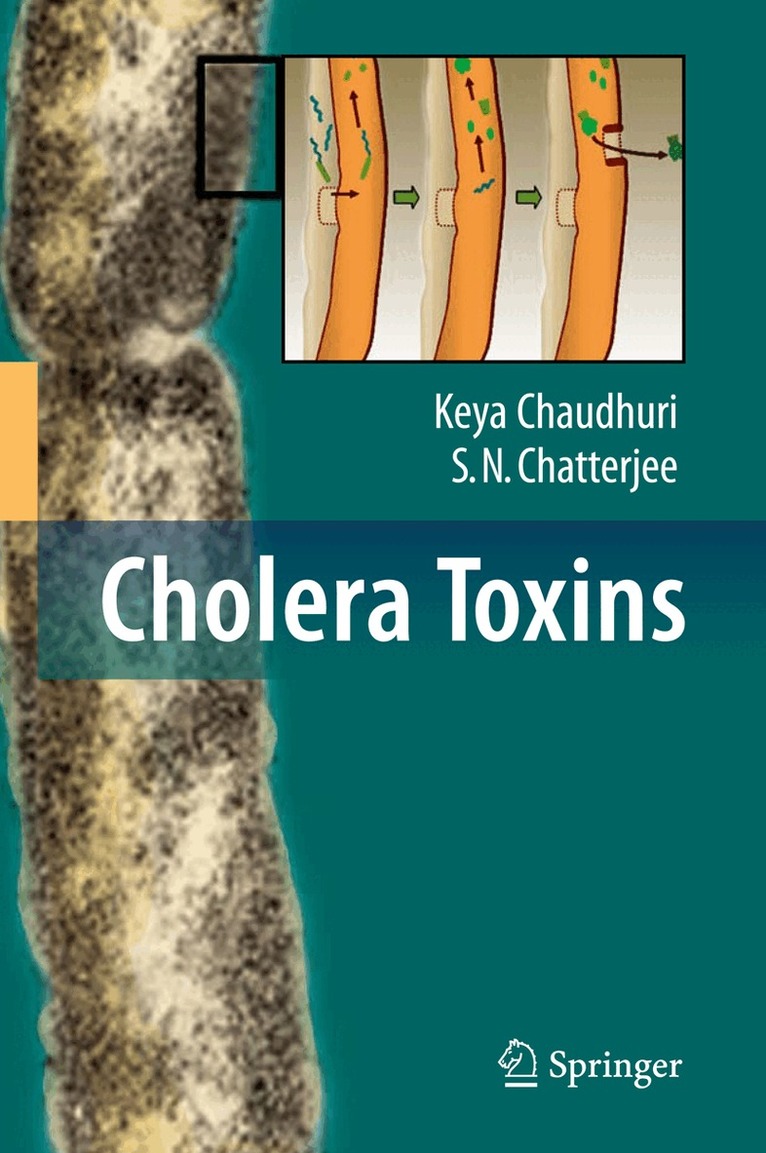
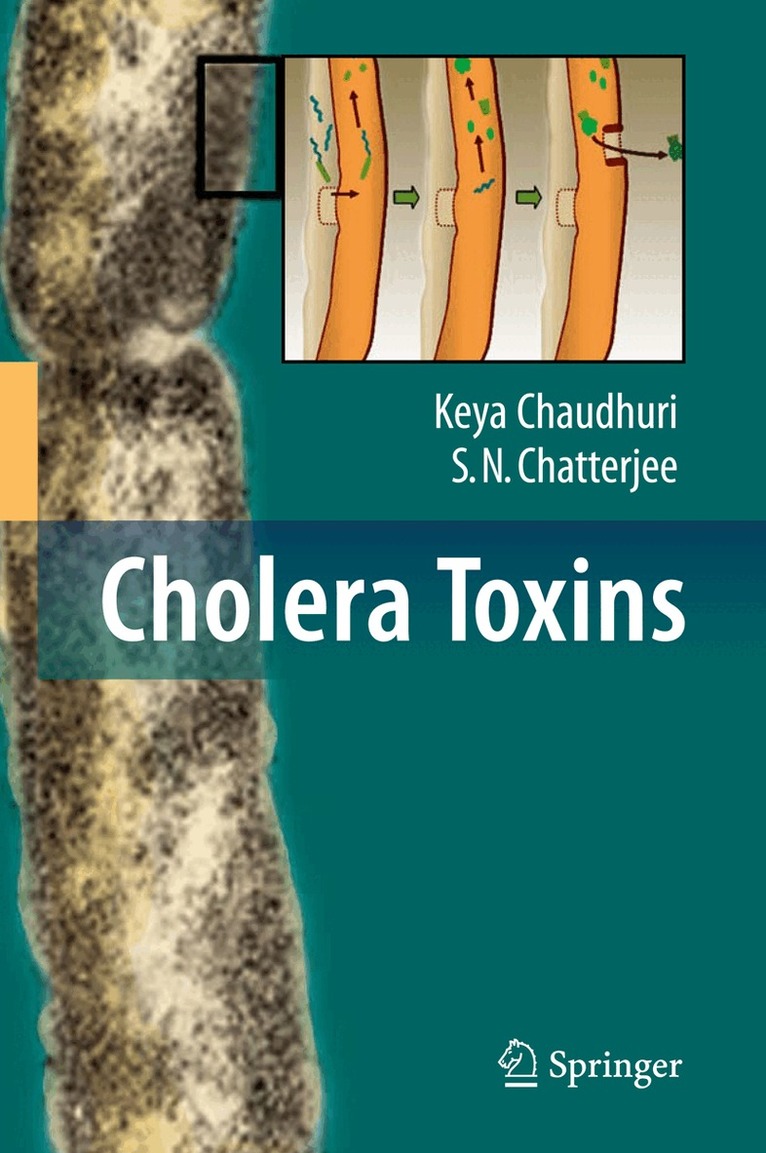
To start with, we feel that we should explain why the book has been entitled Cholera Toxins. In fact, the enterotoxin secreted by Vibrio cholerae, which is p- marily responsible for causation of the disease, is conventionally known as or referred to as cholera toxin, or CT. By using the word “toxins” (in its plural form), we wanted to cover all of the different types of toxins—and not just CT—produced by V. cholerae. We could have used the title Toxins of Vibrio cholerae, but we believe that Cholera Toxins is simpler and equally as expressive. However, due to its relative importance, the story of CT covers most of this book. Also, compared to all other toxins of V. cholerae, CT has been investigated more extensively. This book was jointly written by us. It is not a multiauthor book in which each expert writes one chapter. In that respect our task is harder. On the other hand, it has given us the unique opportunity to present the entire subject in the way that we conceived it. Besides, our objective is to cater to the needs of not only active research scientists but also students from different disciplines—microbiology, molecular physiology and pharmacology, basic medicines, etc. —and as such, we have attempted to present the subject in a way that will be appreciated by general readers. Further, we have provided some information that students and predoctoral researchers may find useful at the end of the book.
1 635 kr
Skickas inom 10-15 vardagar
To start with, we feel that we should explain why the book has been entitled Cholera Toxins. In fact, the enterotoxin secreted by Vibrio cholerae, which is p- marily responsible for causation of the disease, is conventionally known as or referred to as cholera toxin, or CT. By using the word “toxins” (in its plural form), we wanted to cover all of the different types of toxins—and not just CT—produced by V. cholerae. We could have used the title Toxins of Vibrio cholerae, but we believe that Cholera Toxins is simpler and equally as expressive. However, due to its relative importance, the story of CT covers most of this book. Also, compared to all other toxins of V. cholerae, CT has been investigated more extensively. This book was jointly written by us. It is not a multiauthor book in which each expert writes one chapter. In that respect our task is harder. On the other hand, it has given us the unique opportunity to present the entire subject in the way that we conceived it. Besides, our objective is to cater to the needs of not only active research scientists but also students from different disciplines—microbiology, molecular physiology and pharmacology, basic medicines, etc. —and as such, we have attempted to present the subject in a way that will be appreciated by general readers. Further, we have provided some information that students and predoctoral researchers may find useful at the end of the book.