S. Zwerver – författare
Visar alla böcker från författaren S. Zwerver. Handla med fri frakt och snabb leverans.
5 produkter
5 produkter
E-bok
PDF, Engelska, 19954 588 kr
Läs direkt efter köp
Climate change is more and more considered to be a major global environmental risk. The above mentioned conference was the concluding part of a new programme organized in The Netherlands with a view to stimulating participation of Dutch scientists in the international research effort concerning the problem of climate change. The proceedings of the Maastricht Conference on Climate Change Research cover a wide range of subjects including:* key note papers of internationally leading scientists on relevant aspects of the climate problem* assessments of NRP-research on the climate system, the causes of potential change in the system, the possible effects and consequences of climate change, and alternative responses (including technological and/or social) that are considered within the context of sustainable development* short papers of the NRP- and related projects with final conclusions per projectThis book will be of value to anyone professionally interested in the various aspects of climate change research and policy.
E-bok
PDF, Engelska, 2012712 kr
Läs direkt efter köp
The North Atlantic Treaty Organization (NATO) established the "Committee on the Challenges of Modern Society" (CCMS) at the November 1969 meeting of the North Atlantic Council. The CCMS was charged with developing meaningful environmen tal and social programs that complement other international pro grams, and with showing leadership, first, in solution of exist ing problems and, second, in development of long-range goals for environmental protection in the NATO sphere of influence and in other countries as well. A first Pilot Study on Air Pollution was initiated by the CCMS at its inaugural meeting in December 1969. It resulted in documents about the definition of criteria for the effects of air pollutants as well as the development of assess ment methods for air quality in urban areas. A second Air Pollution Pilot Study (1975-1979) worked out the basics for setting up assessment methods for emissions inven tories, techniques for the practical application of meteorologi cal diffusion models as well as the development of guidelines for an Air Quality Management System (AQMS). Within this second Air Pollution Pilot Study attention to modelling concentrated on the Gaussian Plume Model. A third Pilot Study on Air Pollution Control Strategies and Impact Modelling then was initiated in 1979 and started in 1980.
Del 9 - Nato Challenges of Modern Society
Interregional Air Pollution Modelling
The State of the Art
Häftad, Engelska, 2012
543 kr
Skickas inom 10-15 vardagar
The North Atlantic Treaty Organization (NATO) established the "Committee on the Challenges of Modern Society" (CCMS) at the November 1969 meeting of the North Atlantic Council. The CCMS was charged with developing meaningful environmen tal and social programs that complement other international pro grams, and with showing leadership, first, in solution of exist ing problems and, second, in development of long-range goals for environmental protection in the NATO sphere of influence and in other countries as well. A first Pilot Study on Air Pollution was initiated by the CCMS at its inaugural meeting in December 1969. It resulted in documents about the definition of criteria for the effects of air pollutants as well as the development of assess ment methods for air quality in urban areas. A second Air Pollution Pilot Study (1975-1979) worked out the basics for setting up assessment methods for emissions inven tories, techniques for the practical application of meteorologi cal diffusion models as well as the development of guidelines for an Air Quality Management System (AQMS). Within this second Air Pollution Pilot Study attention to modelling concentrated on the Gaussian Plume Model. A third Pilot Study on Air Pollution Control Strategies and Impact Modelling then was initiated in 1979 and started in 1980.
E-bok
PDF, Engelska, 2012712 kr
Läs direkt efter köp
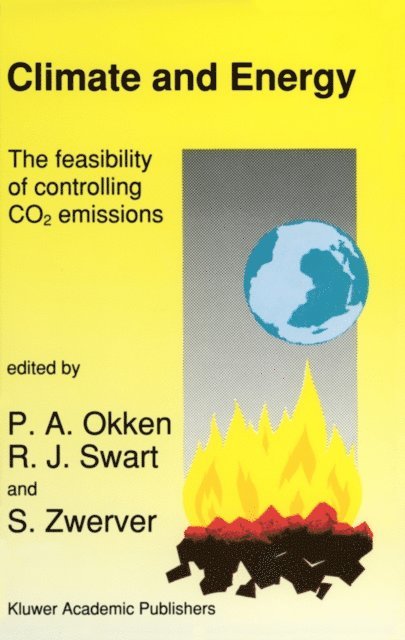
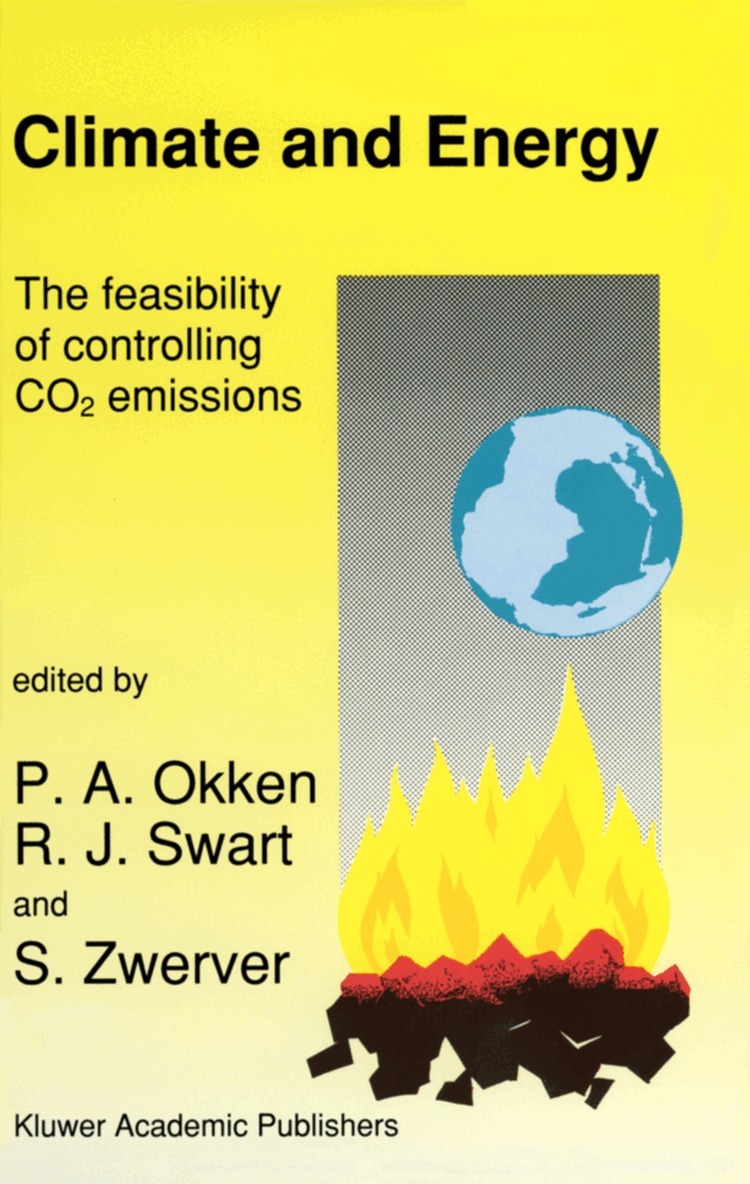
Rapidly increasing concentrations of greenhouse gases in the atmosphere, emerging evidence of global warming and the threat of uncontrollable climate feedback mechan:i,sms are now triggering international action to reduce the emissions of greenhouse gases. In 1989 the Intergovernmental Panel on Climate Change (IPCC), established by the United Nations Environment Pro gramme and the World Meteorological Organization, started preparations for an international convention on climate. This convention is to be followed by protocols (agreements) on the reduction of the emissions of greenhouse gases and other measures and implementation mechanisms to preserve the global climate. After the CFC''s, CO is the next in line, as the sources 2 and abatement measures for CH and N 0 are as yet insuffi 4 2 ciently understood. However, the abatement of CO . is a far 2 reaching issue. It will require major changes wi thin the most important sectors of the economy: energy (production and use) and agriculture (deforestations and land use pat terns). Given this situation it is not so surprising that national governments are hesitant to take action. One reason is the remaining uncertainty regarding the rat,e and the extent of climate change. However, further analysis will show that the uncertainties will be outweighed by the increasing risks when measures to reduce the emission of greenhouse gases are delayed.
Häftad, Engelska, 2011
543 kr
Skickas inom 10-15 vardagar
Rapidly increasing concentrations of greenhouse gases in the atmosphere, emerging evidence of global warming and the threat of uncontrollable climate feedback mechan:i,sms are now triggering international action to reduce the emissions of greenhouse gases. In 1989 the Intergovernmental Panel on Climate Change (IPCC), established by the United Nations Environment Pro gramme and the World Meteorological Organization, started preparations for an international convention on climate. This convention is to be followed by protocols (agreements) on the reduction of the emissions of greenhouse gases and other measures and implementation mechanisms to preserve the global climate. After the CFC's, CO is the next in line, as the sources 2 and abatement measures for CH and N 0 are as yet insuffi 4 2 ciently understood. However, the abatement of CO . is a far 2 reaching issue. It will require major changes wi thin the most important sectors of the economy: energy (production and use) and agriculture (deforestations and land use pat terns). Given this situation it is not so surprising that national governments are hesitant to take action. One reason is the remaining uncertainty regarding the rat,e and the extent of climate change. However, further analysis will show that the uncertainties will be outweighed by the increasing risks when measures to reduce the emission of greenhouse gases are delayed.