Sabby Sagall – författare
Visar alla böcker från författaren Sabby Sagall. Handla med fri frakt och snabb leverans.
7 produkter
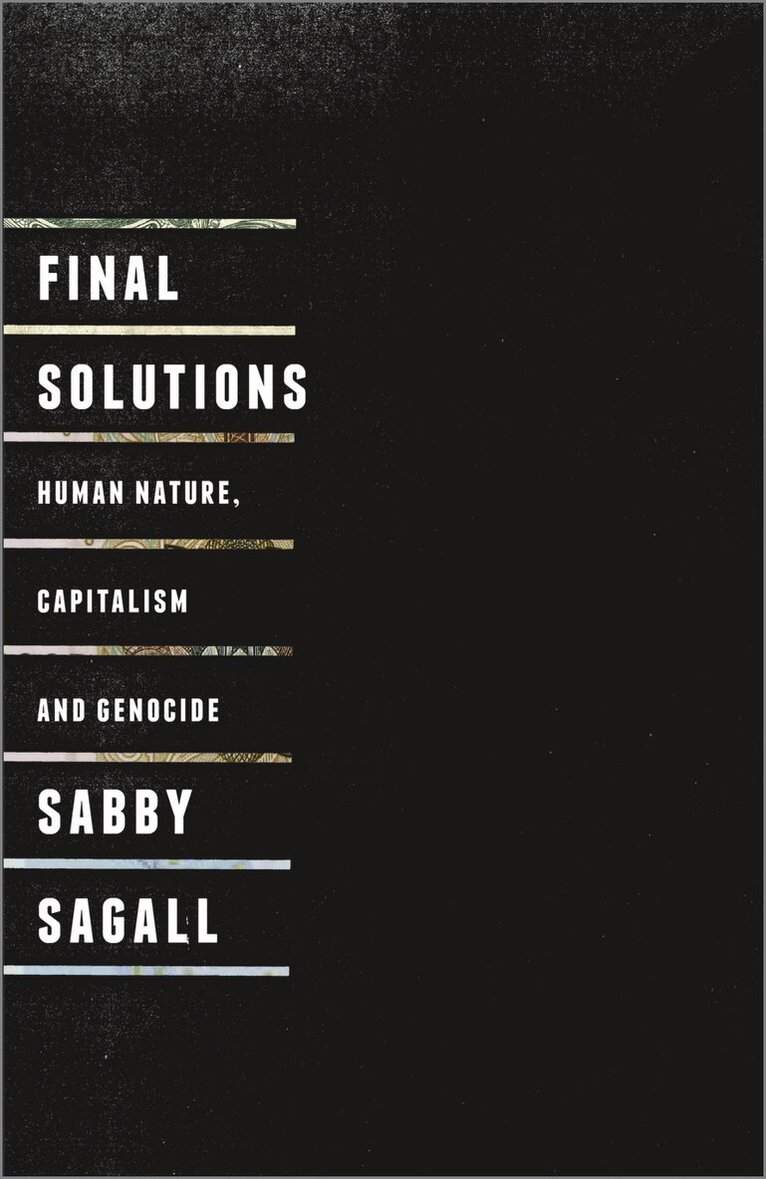
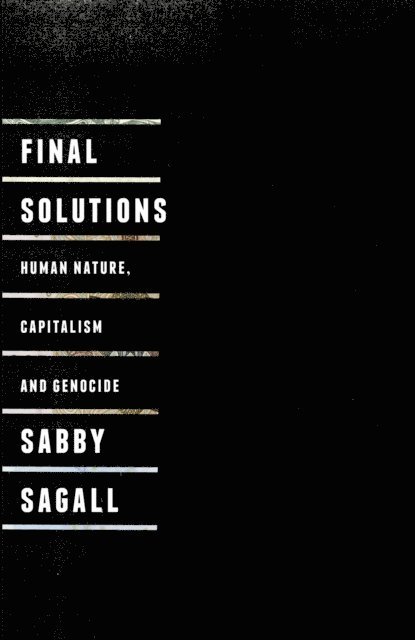
Final Solutions
Human Nature, Capitalism and Genocide
Av Sabby Sagall
Häftad, 2013
502 kr
Lägg i varukorg
What causes genocide? Through an examination of four modern genocides - the Native Americans, the Armenians, the Jews and the Rwandan Tutsis - Sabby Sagal formulates a theoretical framework for understanding some of the darkest hours of humanity. Drawing on the scholarship of a range of Marxist …
Final Solutions
Human Nature, Capitalism and Genocide
Av Sabby Sagall
Inbunden, 2013
973 kr
Lägg i varukorg
What causes genocide? Through an examination of four modern genocides - the Native Americans, the Armenians, the Jews and the Rwandan Tutsis - Sabby Sagal formulates a theoretical framework for understanding some of the darkest hours of humanity. Drawing on the scholarship of a range of Marxist …
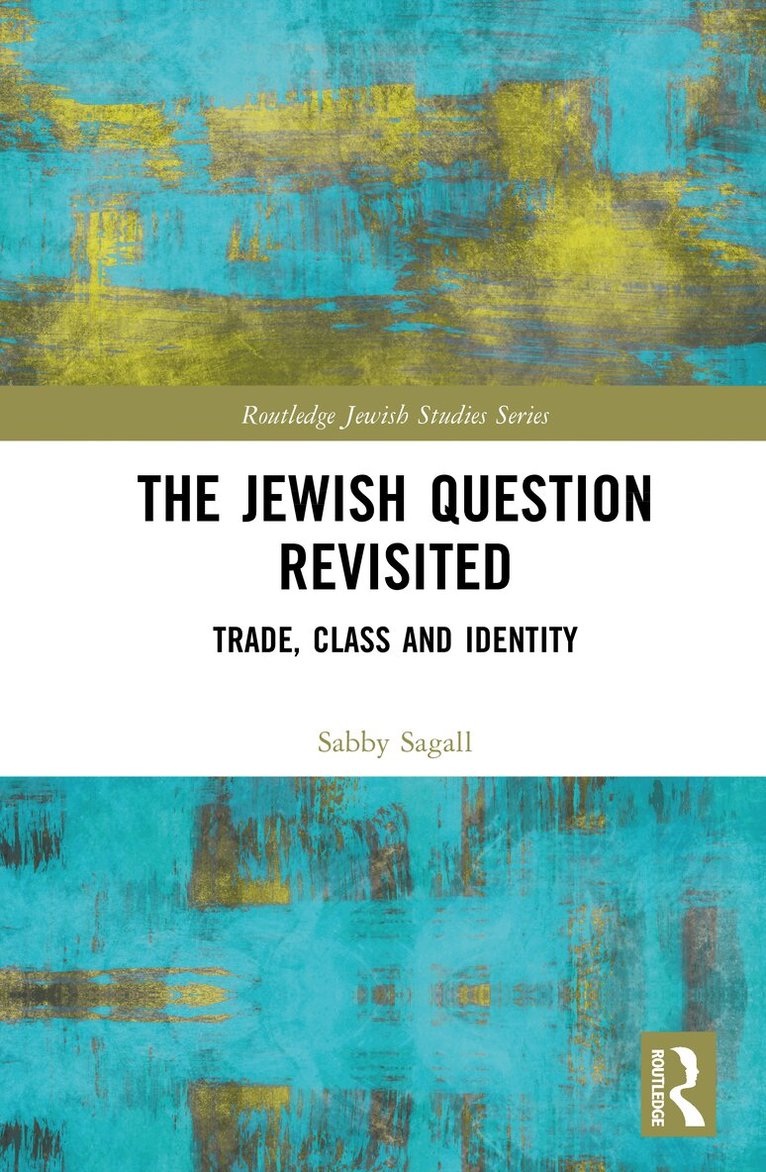
Jewish Question Revisited
Trade, Class and Identity
Av Sabby Sagall
Inbunden, 2026
2513 kr
Lägg i varukorg
The Jewish Question Revisited: Trade, Class and Identity reinterprets the historical trajectory of Jewish identity through the lens of economic function, class dynamics, and the rise of Zionism – offering a provocative reassessment of one of history’s most enduring social questions.Engaging with …
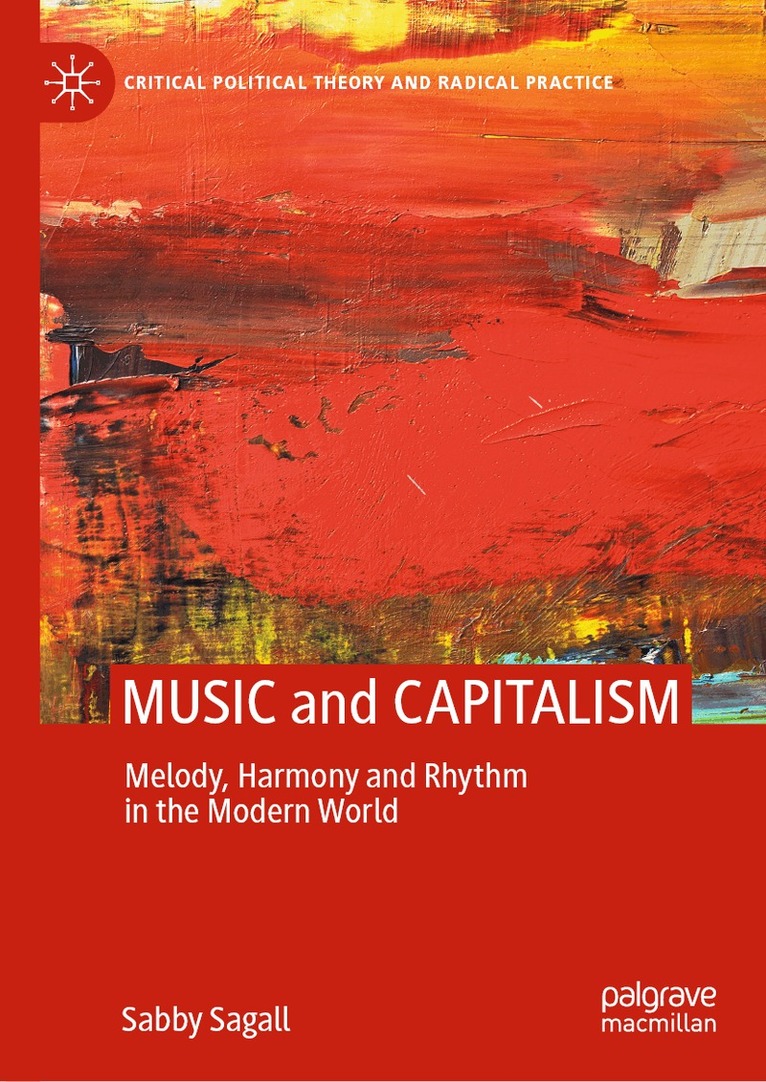
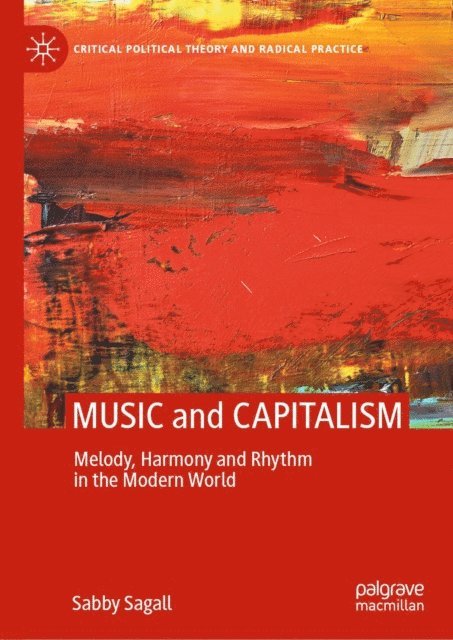
MUSIC and CAPITALISM
Melody, Harmony and Rhythm in the Modern World
Av Sabby Sagall
Inbunden, 2021
1576 kr
Lägg i varukorg
This book argues that the need for music, and the ability to produce and enjoy it, is an essential element in human nature. Every society in history has produced some characteristic style of music. Music, like the other arts, tells us truths about the world through its impact on our emotional life. …
MUSIC and CAPITALISM
Melody, Harmony and Rhythm in the Modern World
Av Sabby Sagall
E-bok, 2021
1953 kr
Lägg i varukorg
This book argues that the need for music, and the ability to produce and enjoy it, is an essential element in human nature. Every society in history has produced some characteristic style of music. Music, like the other arts, tells us truths about the world through its impact on our emotional life. …
MUSIC and CAPITALISM
Melody, Harmony and Rhythm in the Modern World
Av Sabby Sagall
Häftad, 2022
1468 kr
Lägg i varukorg
This book argues that the need for music, and the ability to produce and enjoy it, is an essential element in human nature. Every society in history has produced some characteristic style of music. Music, like the other arts, tells us truths about the world through its impact on our emotional life. …
Final Solutions
Human Nature, Capitalism and Genocide
Av Sabby Sagall
E-bok, 2013
394 kr
Lägg i varukorg
What causes genocide? Through an examination of four modern genocides - the Native Americans, the Armenians, the Jews and the Rwandan Tutsis - Sabby Sagal formulates a theoretical framework for understanding some of the darkest hours of humanity. Drawing on the scholarship of a range of Marxist …