E-bok
PDF, Engelska, 2026920 kr
Läs direkt efter köp
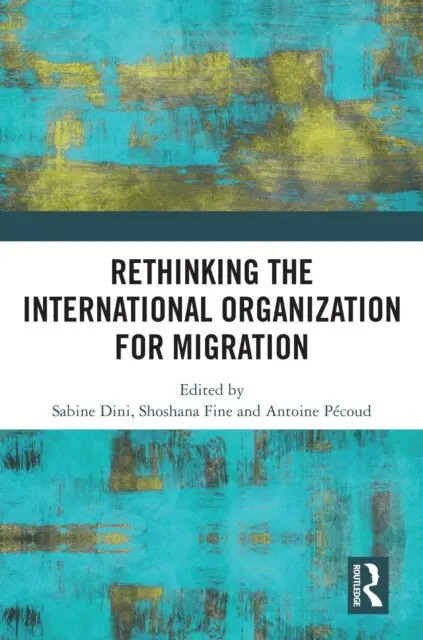
This book analyses the crucial dilemmas faced by the International Organization for Migration (IOM) and their implications, not only for immigration policy, but also for the global agenda in the field of development, human rights, security or climate change. Once small and relatively marginal, the IOM joined the United Nations in 2016 and now exerts a strong influence on global migration governance. In line with the UN mandate, it seeks to promote a multilateral approach to migration and to uphold the human rights of migrants and their role in global socio-economic prosperity. Yet, as an intergovernmental institution, it also aligns on the priorities of governments in terms of border control and security.This book is essential reading for students, scholars and practitioners in International Relations, Migration Studies, and Global Governance, as well as policymakers and NGO professionals seeking to understand the complexities of contemporary migration management. The work spans multiple disciplines including political science, international law, development studies, and human rights, examining how migration intersects with broader global challenges such as climate change, security concerns, and socio-economic development.The chapters in this book were originally published as a special issue of Geopolitics.