Sabine Köllmann – författare
Visar alla böcker från författaren Sabine Köllmann. Handla med fri frakt och snabb leverans.
4 produkter
4 produkter
2 430 kr
Skickas inom 10-15 vardagar
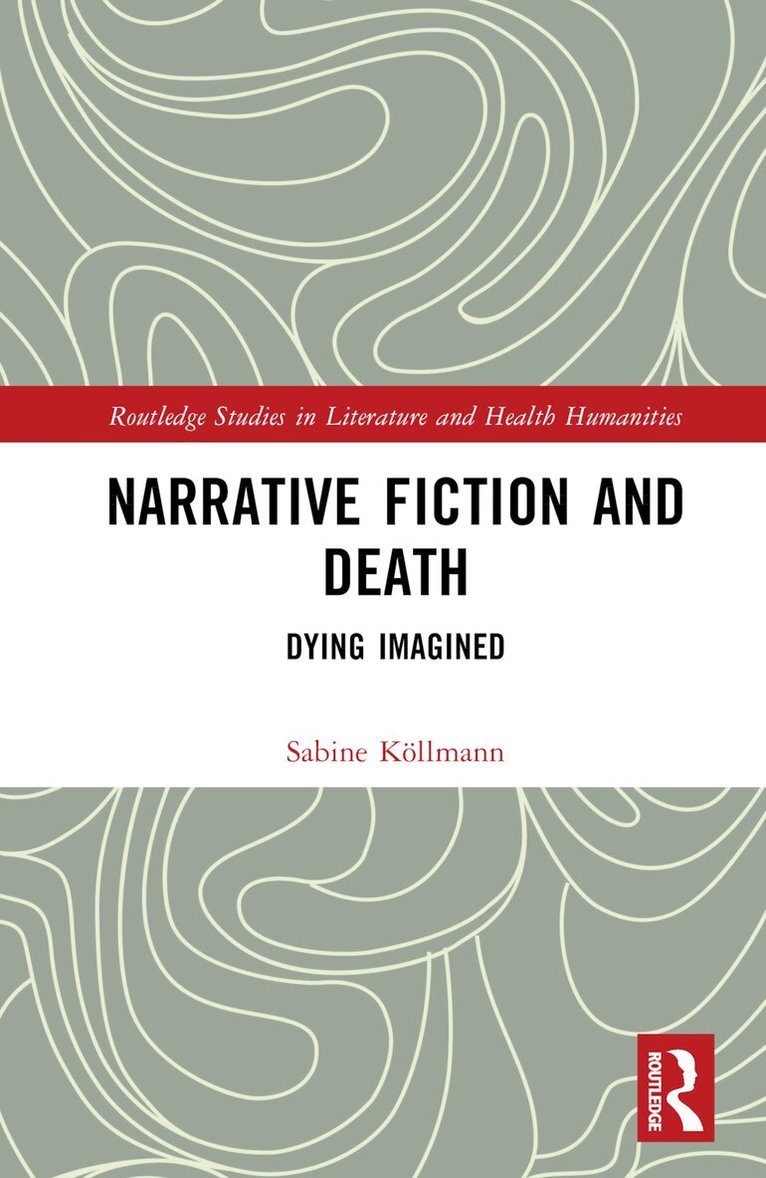
Narrative Fiction and Death: Dying Imagined offers a new perspective on the study of death in literature. It focuses on narrative fiction that conveys the experience of dying from the internal perspective of a dying protagonist. Writers from Victor Hugo in the early 1800s to Elif Shafak in the present day have imagined the unknowable final moments on the threshold to death. This literary study examines the wide range of narrative strategies used to evoke the transition from life to death, and to what effect, revealing not only each writer’s unique way of representing the dying experience; the comparative reading also finds common concerns in these texts and uncovers surprising parallels and unexplored intertextual relations between works across time and space that will interest comparatists as well as specialists in the literatures discussed. Students of individual texts examined here will benefit from detailed analyses of these works. The fictional evocation of dying addresses our basic human fears, offering catharsis, consolation, and a greater cognitive and emotional understanding of that unknowable experience. Presented in an engaging and highly readable manner, this study argues for literature’s potential to challenge our assumptions about the end of life and change our approach to dying, an aspect that will interest students and researchers of the health humanities, palliative caregivers, and all those interested in questions of the end of life.
649 kr
Skickas inom 10-15 vardagar
Narrative Fiction and Death: Dying Imagined offers a new perspective on the study of death in literature. It focuses on narrative fiction that conveys the experience of dying from the internal perspective of a dying protagonist. Writers from Victor Hugo in the early 1800s to Elif Shafak in the present day have imagined the unknowable final moments on the threshold to death. This literary study examines the wide range of narrative strategies used to evoke the transition from life to death, and to what effect, revealing not only each writer’s unique way of representing the dying experience; the comparative reading also finds common concerns in these texts and uncovers surprising parallels and unexplored intertextual relations between works across time and space that will interest comparatists as well as specialists in the literatures discussed. Students of individual texts examined here will benefit from detailed analyses of these works. The fictional evocation of dying addresses our basic human fears, offering catharsis, consolation, and a greater cognitive and emotional understanding of that unknowable experience. Presented in an engaging and highly readable manner, this study argues for literature’s potential to challenge our assumptions about the end of life and change our approach to dying, an aspect that will interest students and researchers of the health humanities, palliative caregivers, and all those interested in questions of the end of life.
1 337 kr
Skickas inom 7-10 vardagar
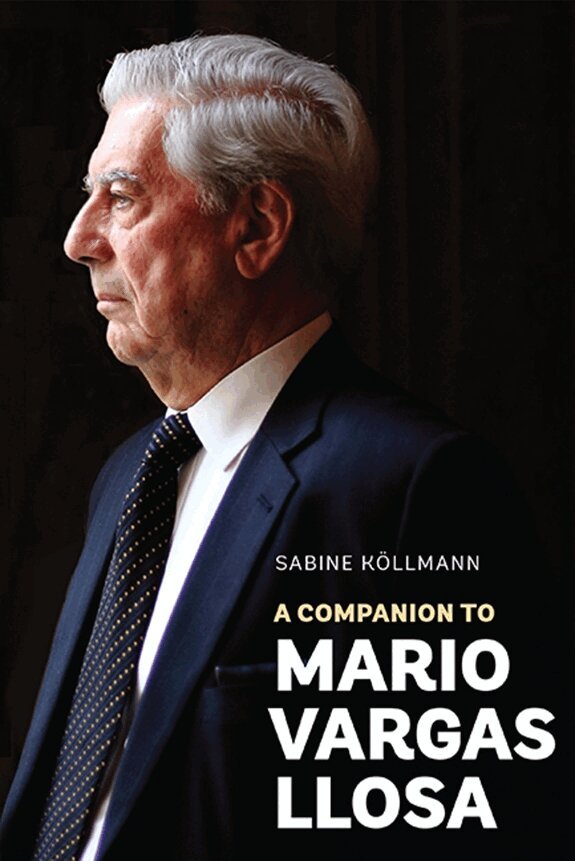
This Companion offers an overview and assessment of Mario Vargas Llosa's large body of work, tracing his development as a writer and intellectual in his essays, critical studies, journalism, and theatrical works, but above all inhis novels.This companion to the work of Peruvian Nobel Laureate Mario Vargas Llosa traces his fictional and non-fictional writing throughout the different phases of a career spanning more than fifty years. His lifelong dedication to literature goes hand in hand with his commitment as a public intellectual, a role that frequently involves him in controversy. Against the backdrop of Vargas Llosa's political and intellectual development, this study brings out the continuities and interrelations that give unity and coherence to a diverse body of work. It highlights the thematic concerns that re-emerge at different points in his writing and link Vargas Llosa's journalism and essays with his fiction: the effects of social ills on the individual, the nature of fiction, and the importance of literature for society. The novels at the centre of his work combine passionate storytelling with technical complexity and an often playful experimentation with genres. This book not only provides a comprehensive overview of Vargas Llosa's writing in the context of his intellectual biography, but looks in detail at each individual work, summarizing contents and analyzing the interplay of form, language, and meaning. A bibliography and suggestions for further reading complement this Companion, which will serve the general reader as much as the undergraduate and scholar.Sabine Köllmann is an independent academic writer living in London.
386 kr
Skickas inom 7-10 vardagar
This Companion offers an overview and assessment of Mario Vargas Llosa's large body of work, tracing his development as a writer and intellectual in his essays, critical studies, journalism, and theatrical works, but above all inhis novels.This companion to the work of Peruvian Nobel Laureate Mario Vargas Llosa traces his fictional and non-fictional writing throughout the different phases of a career spanning more than fifty years. His lifelong dedication to literature goes hand in hand with his commitment as a public intellectual, a role that frequently involves him in controversy. Against the backdrop of Vargas Llosa's political and intellectual development this study brings out the continuities and interrelations that give unity and coherence to a diverse body of work. It highlights the thematic concerns that re-emerge at different points in his writing and link Vargas Llosa's journalism and essays with his fiction: the effects of social ills on the individual, the nature of fiction, and the importance of literature for society. The novels at the centre of his work combine passionate storytelling with technical complexity and an often playful experimentation with genres. This book not only provides a comprehensive overview of Vargas Llosa's writing in the context of his intellectual biography, but looks in detail at each individual work, summarizing contents and analyzing the interplay of form, language, and meaning. A bibliography and suggestions for further reading complement this Companion which will serve the general reader as much as the undergraduate and scholar.