Sabri Ciftci - Böcker
Visar alla böcker från författaren Sabri Ciftci. Handla med fri frakt och snabb leverans.
4 produkter
4 produkter
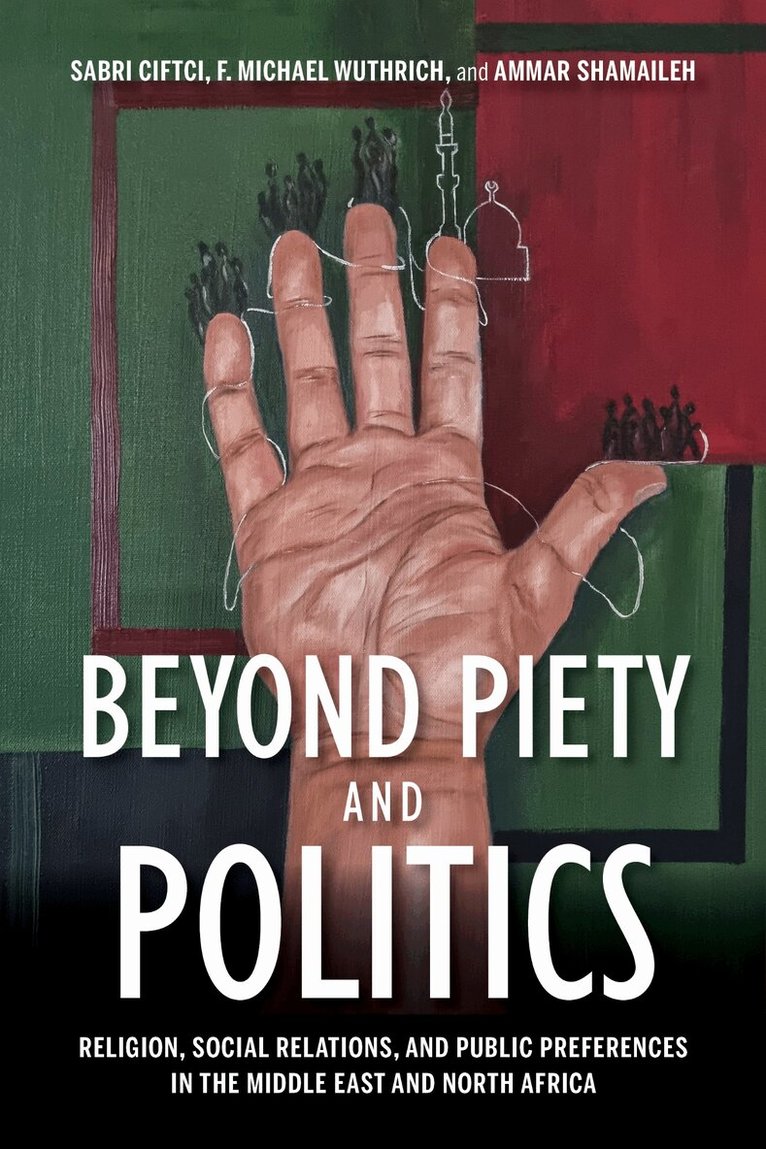
Beyond Piety and Politics
Religion, Social Relations, and Public Preferences in the Middle East and North Africa
Inbunden, Engelska, 2022
742 kr
Skickas inom 7-10 vardagar
How do ordinary men and women in Muslim-majority societies create religion-informed views of political topics such as democracy and economics?Beyond Piety and Politics provides a groundbreaking approach to understanding the depth and variety of political attitudes held by people who consider themselves to be pious Muslims. Using survey data on religious preferences and behavior, the authors argue for the relevance and importance of four outlook categories—religious individualist, social communitarian, religious communitarian, and post-Islamist—and use these to explore complex and nuanced attitudes of devout Muslims toward issues like democracy and economic distribution. They also reveal how intrafaith variation in political attitudes is not due simply to doctrinal differences but is also a product of the social aspects of religious association operating within political contexts. By highlighting the dynamic societal and political implications of religious devotion, Beyond Piety and Politics offers a fascinating new theoretical perspective on Islam and politics.
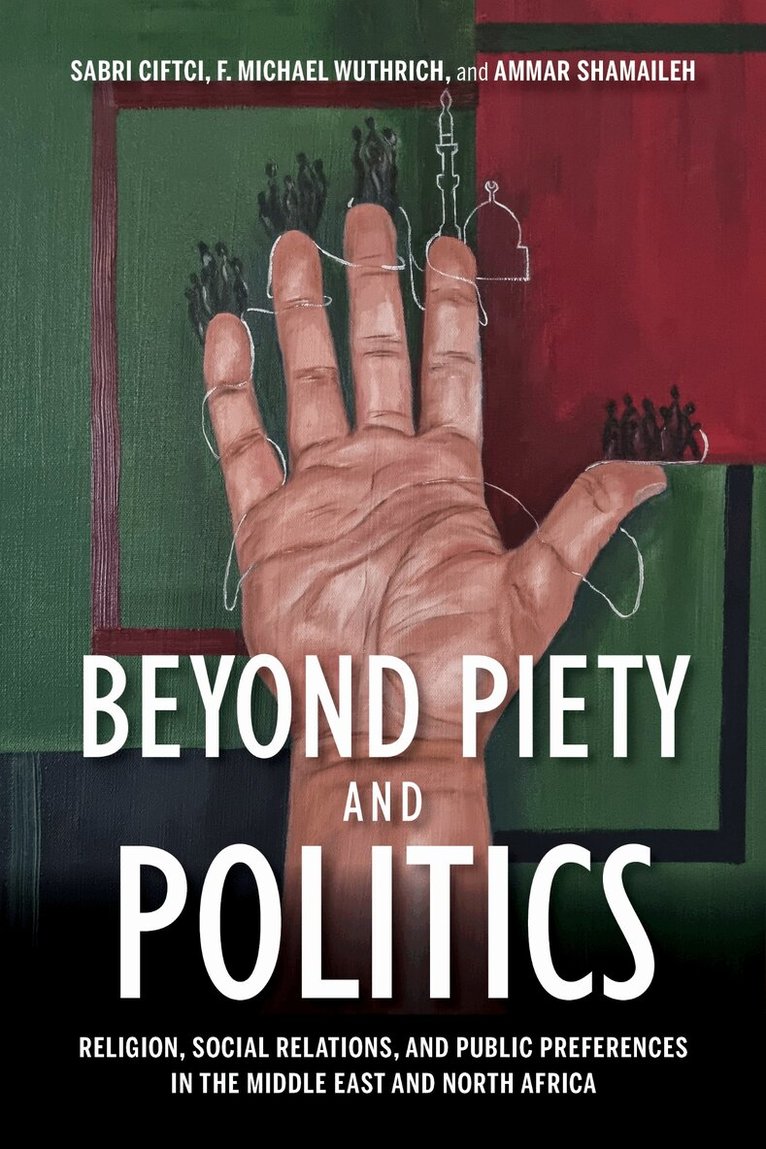
Beyond Piety and Politics
Religion, Social Relations, and Public Preferences in the Middle East and North Africa
Häftad, Engelska, 2022
216 kr
Skickas
How do ordinary men and women in Muslim-majority societies create religion-informed views of political topics such as democracy and economics?Beyond Piety and Politics provides a groundbreaking approach to understanding the depth and variety of political attitudes held by people who consider themselves to be pious Muslims. Using survey data on religious preferences and behavior, the authors argue for the relevance and importance of four outlook categories—religious individualist, social communitarian, religious communitarian, and post-Islamist—and use these to explore complex and nuanced attitudes of devout Muslims toward issues like democracy and economic distribution. They also reveal how intrafaith variation in political attitudes is not due simply to doctrinal differences but is also a product of the social aspects of religious association operating within political contexts. By highlighting the dynamic societal and political implications of religious devotion, Beyond Piety and Politics offers a fascinating new theoretical perspective on Islam and politics.
1 109 kr
Skickas inom 7-10 vardagar
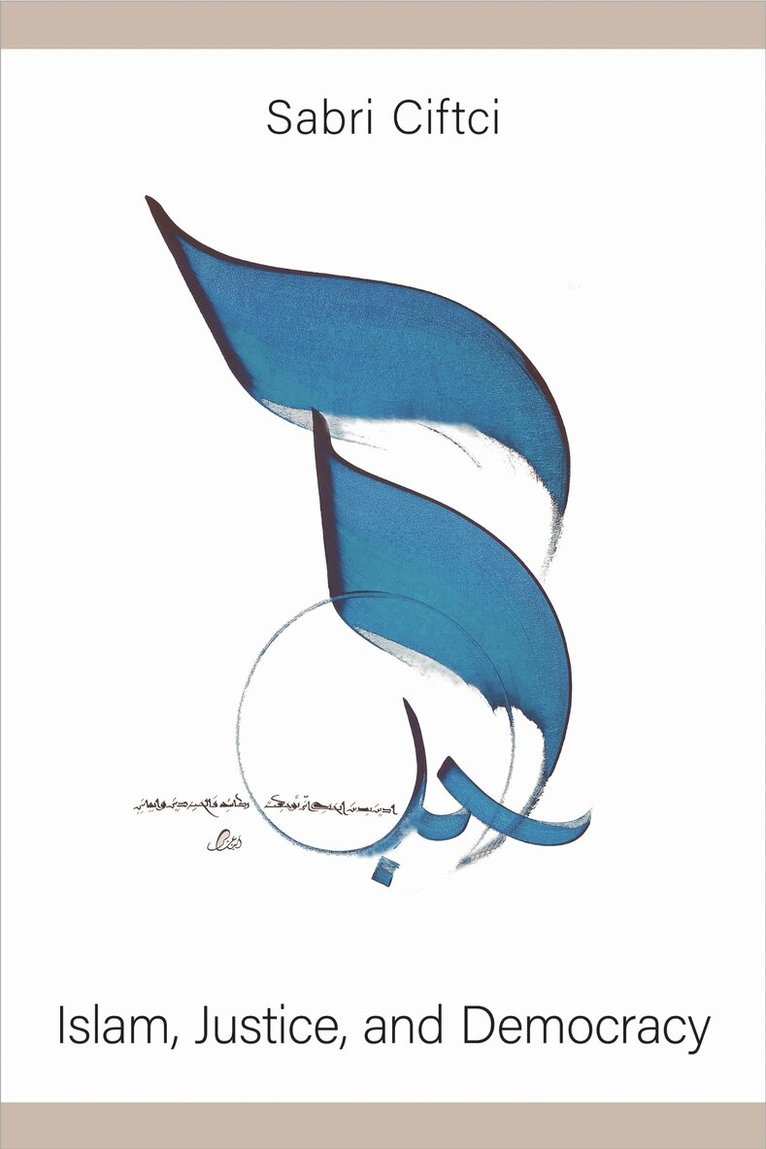
Justice (al-‘adl) is one of the principal values of the Islamic faith. In Islam, Justice, and Democracy, Sabri Ciftci explores the historical, philosophical, and empirical foundations of justice to examine how religious values relate to Muslim political preferences and behavior. He focuses on Muslim agency and democracy to explain how ordinary Muslims use the conceptions of divine justice-either servitude to God or exercising free will against oppressors-to make sense of real-world problems.Using ethnographic research, interviews, and public opinion surveys as well as the works of Islamist ideologues, archives of Islamist journals, and other sources, Ciftci shows that building contemporary incarnations of Islamist justice is, in essence, a highly practical political project that has formative effects on Muslim political attitudes. Islam, Justice, and Democracy compares the recent Arab Spring protests to the constitutionalist movements of the nineteenth and twentieth centuries in the Middle East to demonstrate the continuities and rifts a century apart. By putting justice at the center of democratic thinking in the Muslim world, Ciftci reconsiders Islam's potential in engendering both democratic ideals and authoritarian preferences.
335 kr
Skickas inom 7-10 vardagar
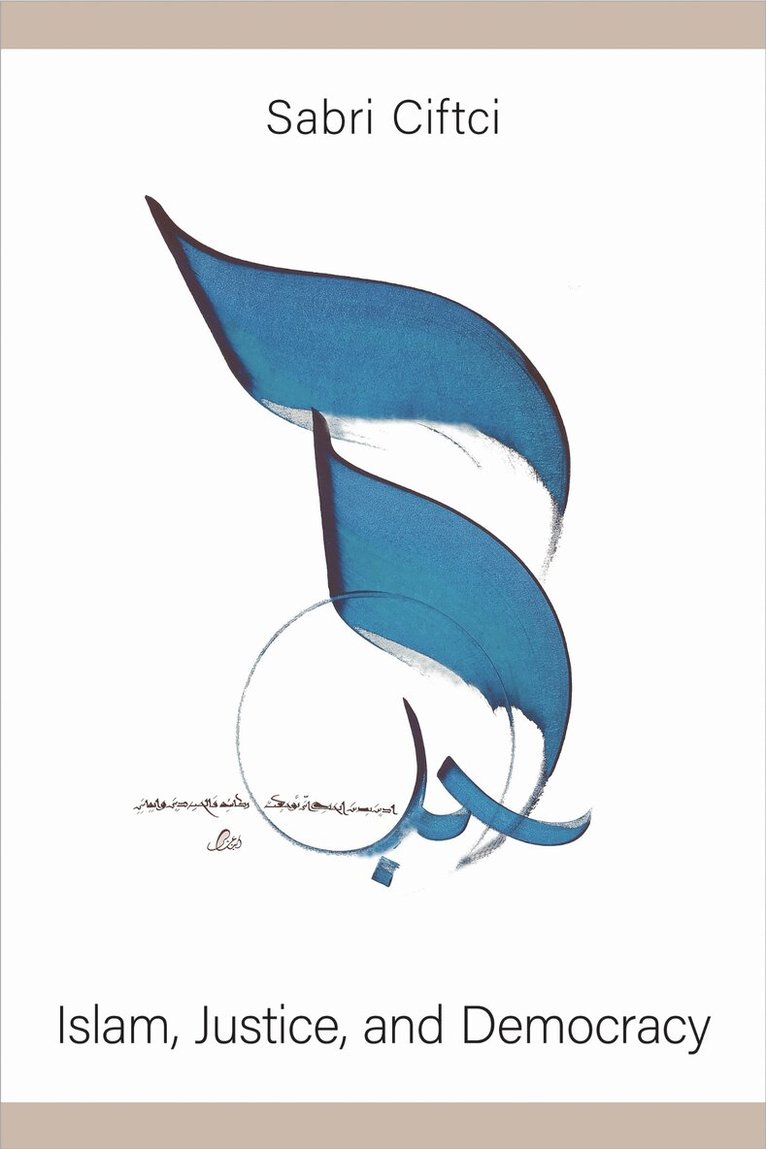
Justice (al-‘adl) is one of the principal values of the Islamic faith. In Islam, Justice, and Democracy, Sabri Ciftci explores the historical, philosophical, and empirical foundations of justice to examine how religious values relate to Muslim political preferences and behavior. He focuses on Muslim agency and democracy to explain how ordinary Muslims use the conceptions of divine justice-either servitude to God or exercising free will against oppressors-to make sense of real-world problems.Using ethnographic research, interviews, and public opinion surveys as well as the works of Islamist ideologues, archives of Islamist journals, and other sources, Ciftci shows that building contemporary incarnations of Islamist justice is, in essence, a highly practical political project that has formative effects on Muslim political attitudes. Islam, Justice, and Democracy compares the recent Arab Spring protests to the constitutionalist movements of the nineteenth and twentieth centuries in the Middle East to demonstrate the continuities and rifts a century apart. By putting justice at the center of democratic thinking in the Muslim world, Ciftci reconsiders Islam's potential in engendering both democratic ideals and authoritarian preferences.