Sacchidananda Mukherjee – författare
Visar alla böcker från författaren Sacchidananda Mukherjee. Handla med fri frakt och snabb leverans.
10 produkter
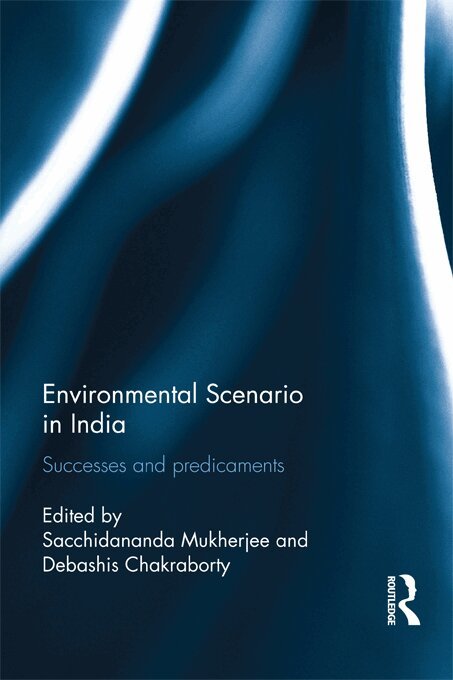
Environmental Scenario in India
Successes and Predicaments
Av Sacchidananda Mukherjee, Debashis Chakraborty
Inbunden, 2012
785 kr
Lägg i varukorg
India has moved along an impressive growth path over the last decade, marked with falling share of agriculture, stagnating manufacturing, expanding services segment, growing trade orientation, enhanced FDI inflows etc. The consequent growth implications are obvious as far as the numbers like GDP …
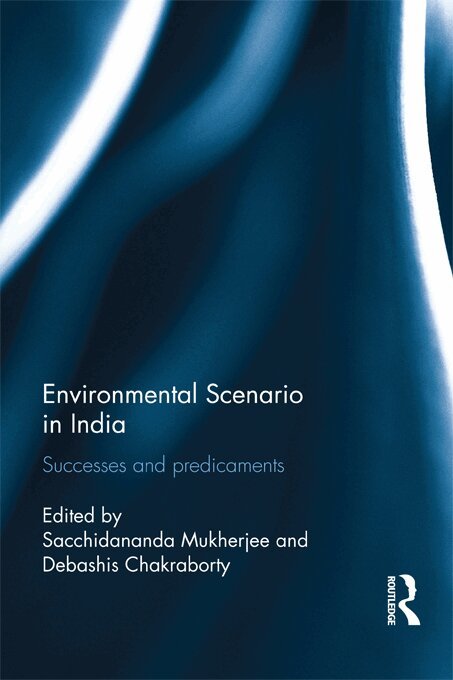
Environmental Scenario in India
Successes and Predicaments
Av Sacchidananda Mukherjee, Debashis Chakraborty
Häftad, 2015
396 kr
Lägg i varukorg
India has moved along an impressive growth path over the last decade, marked with falling share of agriculture, stagnating manufacturing, expanding services segment, growing trade orientation, enhanced FDI inflows etc. The consequent growth implications are obvious as far as the numbers like GDP …
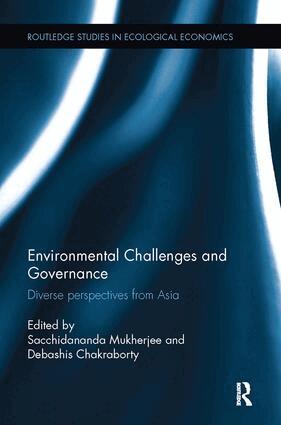
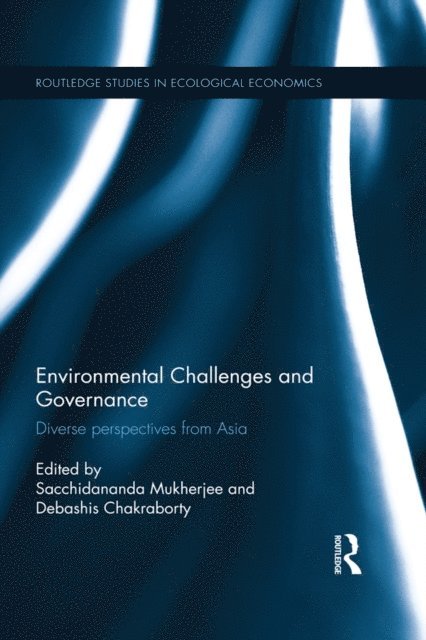
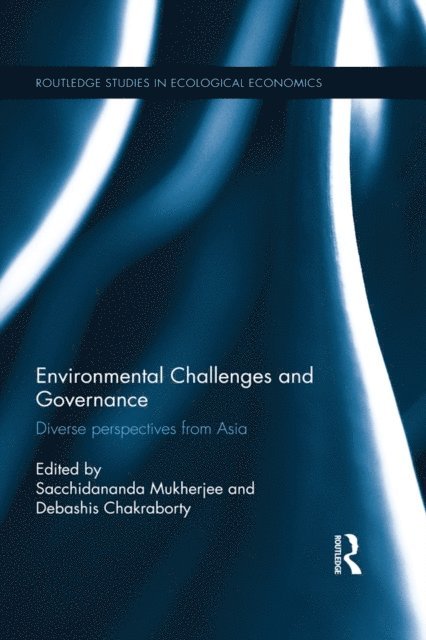
Environmental Challenges and Governance
Diverse perspectives from Asia
Av Sacchidananda Mukherjee, Debashis Chakraborty
Inbunden, 2015
2504 kr
Lägg i varukorg
The economies located in East, South and Southeast Asia have witnessed an interesting growth-sustainability trade-off over the last decades. While growth considerations have paved ways for deepened ties with growing trade-investment waves and increasing population pressure necessitated exploitation …
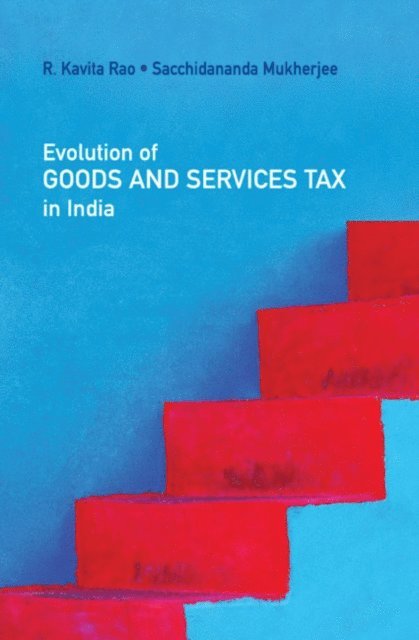
Evolution of Goods and Services Tax in India
Av R. Kavita Rao, Sacchidananda Mukherjee
Inbunden, 2019
1559 kr
Lägg i varukorg
Goods and Services Tax (GST) was implemented in India in July 2017, after four decades of protracted deliberations amid critical socio-economic and political challenges. GST is a comprehensive multistage value added tax (VAT) on goods and services where both central and state governments share the …
Evolution of Goods and Services Tax in India
Av Sacchidananda Mukherjee, R. Kavita Rao
E-bok, 2019
1544 kr
Lägg i varukorg
Goods and Services Tax (GST) was implemented in India in July 2017, after four decades of protracted deliberations amid critical socio-economic and political challenges. GST is a comprehensive multistage value added tax (VAT) on goods and services where both central and state governments share the …
Environmental Scenario in India
Successes and Predicaments
Av Sacchidananda Mukherjee, Debashis Chakraborty
E-bok, 2013
464 kr
Lägg i varukorg
India has moved along an impressive growth path over the last decade, marked with falling share of agriculture, stagnating manufacturing, expanding services segment, growing trade orientation, enhanced FDI inflows etc. The consequent growth implications are obvious as far as the numbers like GDP …
Environmental Scenario in India
Successes and Predicaments
Av Sacchidananda Mukherjee, Debashis Chakraborty
E-bok, 2013
464 kr
Lägg i varukorg
India has moved along an impressive growth path over the last decade, marked with falling share of agriculture, stagnating manufacturing, expanding services segment, growing trade orientation, enhanced FDI inflows etc. The consequent growth implications are obvious as far as the numbers like GDP …
Environmental Challenges and Governance
Diverse perspectives from Asia
Av Sacchidananda Mukherjee, Debashis Chakraborty
Häftad, 2017
718 kr
Lägg i varukorg
The economies located in East, South and Southeast Asia have witnessed an interesting growth-sustainability trade-off over the last decades. While growth considerations have paved ways for deepened ties with growing trade-investment waves and increasing population pressure necessitated exploitation …
Environmental Challenges and Governance
Diverse perspectives from Asia
Av Debashis Chakraborty, Sacchidananda Mukherjee
E-bok, 2015
855 kr
Lägg i varukorg
The economies located in East, South and Southeast Asia have witnessed an interesting growth-sustainability trade-off over the last decades. While growth considerations have paved ways for deepened ties with growing trade-investment waves and increasing population pressure necessitated exploitation …
Environmental Challenges and Governance
Diverse perspectives from Asia
Av Debashis Chakraborty, Sacchidananda Mukherjee
E-bok, 2015
874 kr
Lägg i varukorg
The economies located in East, South and Southeast Asia have witnessed an interesting growth-sustainability trade-off over the last decades. While growth considerations have paved ways for deepened ties with growing trade-investment waves and increasing population pressure necessitated exploitation …