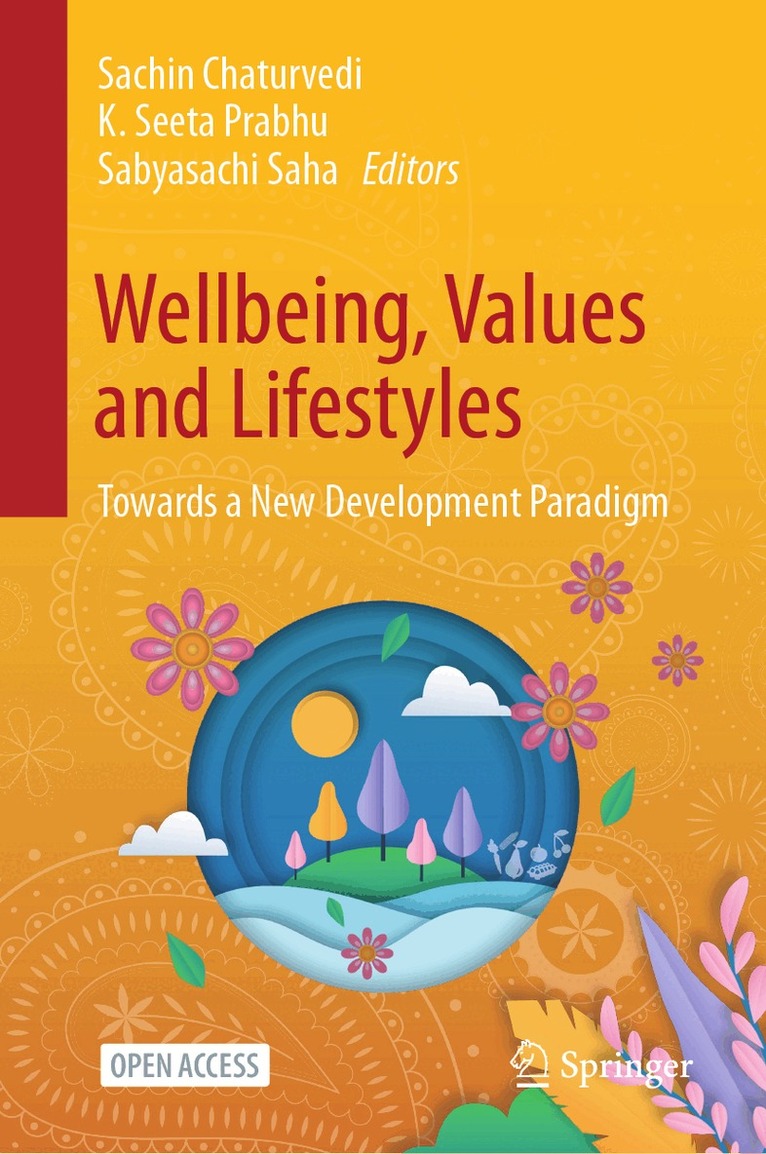
Sachin Chaturvedi – författare
657 kr
Skickas inom 10-15 vardagar
2 313 kr
Skickas inom 10-15 vardagar
752 kr
Läs direkt efter köp
752 kr
Läs direkt efter köp
351 kr
Skickas inom 10-15 vardagar
1 246 kr
Skickas inom 10-15 vardagar
365 kr
Läs direkt efter köp
365 kr
Läs direkt efter köp
1 630 kr
Skickas inom 10-15 vardagar
440 kr
Skickas inom 10-15 vardagar
548 kr
Skickas inom 10-15 vardagar
548 kr
Skickas inom 10-15 vardagar
1 873 kr
Skickas inom 10-15 vardagar
2 351 kr
Läs direkt efter köp
This book analyzes the structural factors that underlie the persistent mass poverty and extreme inequality in South Asian countries. It highlights the fact that the supposed trade-off between output growth and job creation is a false dilemma. Growth can create jobs, and jobs can drive growth, mutually reinforcing one another. Increased employment and better jobs would mitigate the problems arising from a widening inequality gap. The book argues that policies focused on employment generation, mostly through industrialization, are the way forward in terms of providing livelihoods, sustaining growth and reducing inequality.
The book is divided into two main parts. Part A explores cases in selected countries in South Asia in detail, primarily focusing on the opportunities and challenges of job creation in the manufacturing sector, as well as related issues, including constraints on manufacturing-sector growth in South Asia, exports and trade linkages, participation in valuechains and the role of investment. In turn, Part B addresses a number of aspects that can promote a deeper understanding of strategies for industrialization and employment creation in the South Asian context, including regional cooperation, skill development, and industrial competitiveness. Gathering contributions from some of the region’s top minds, this book is of interest to scholars, researchers, policymakers and industry analysts alike.
1 873 kr
Skickas inom 10-15 vardagar
1 214 kr
Skickas inom 10-15 vardagar
1 519 kr
Läs direkt efter köp
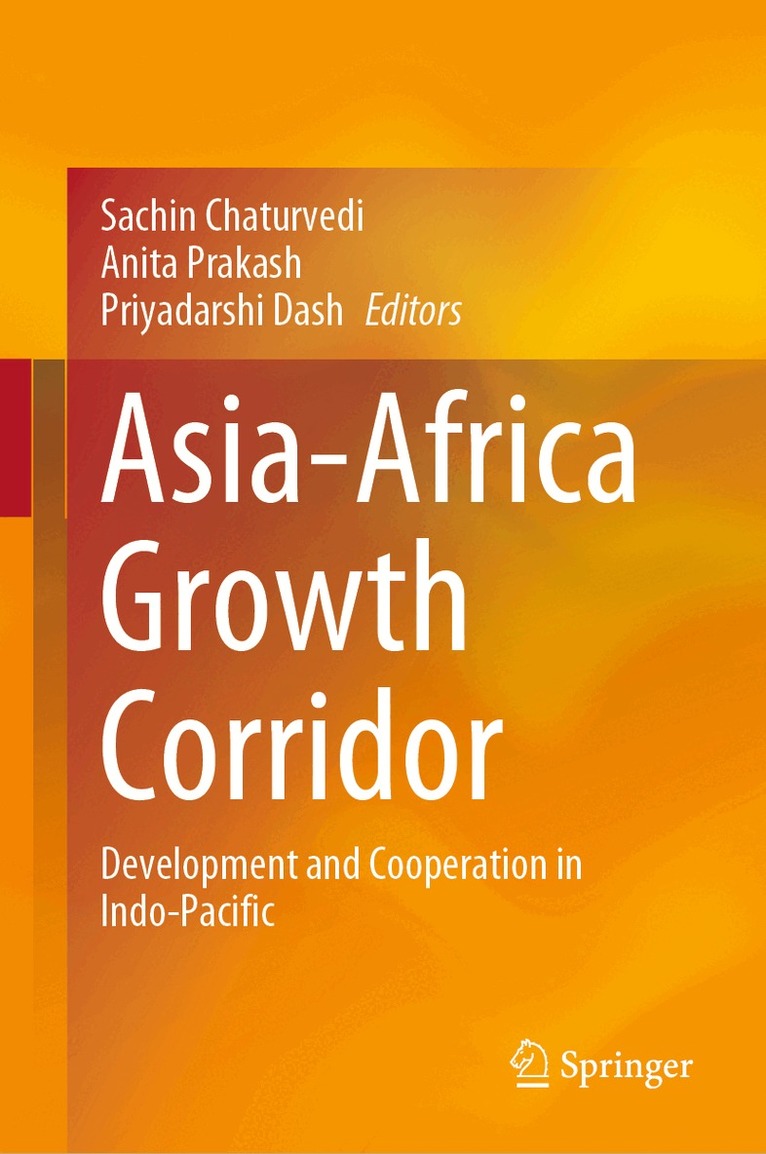
This book is a rich addition to the existing knowledge on models of development partnership among developing countries. Unlike the Belt and Road Initiative (BRI), which exclusively focuses on physical infrastructure development with a strong financing component by China, the Asia–Africa Growth Corridor (AAGC) envisages a holistic approach toward development partnership based on the spirit of triangular cooperation, demystifying the donor-recipient model of development cooperation. By integrating four distinct pillars of cooperation – connectivity and physical infrastructure, capacity building and skill development, development cooperation projects, and people-to-people and business-to-business partnerships – the book provides a succinct account of how a demand-driven people-centric model of engagement among Asian and African countries could help achieve inclusive and sustainable development without creating any fatal dependence on specific countries or institutions for external funding.
In sixteen chapters, the book covers various theoretical, analytical, and policy discussions with respect to the concept and modalities of the growth corridor approach under the free, open, and inclusive Indo-Pacific; potential opportunities and challenges in economic sectors and fields like agriculture, manufacturing, trade and investment, urbanization, industrialization, human resource development, and the blue economy; social sector priorities including health, education, skill development, disaster management, and women’s participation; and policy issues relating to trade facilitation, the identification of joint projects, modalities and instruments of project execution, and related aspects. The book offers a valuable resource for students and research scholars working in the fields of development economics, development cooperation, international political economy, and international economic relations. It also serves as a handbook for governments and policymakers on issues concerning the suitability of development projects, sources of and innovations in financing, implementation and execution challenges, private sector involvement, and so on.
1 214 kr
Skickas inom 10-15 vardagar
1 073 kr
Skickas inom 10-15 vardagar
1 367 kr
Läs direkt efter köp
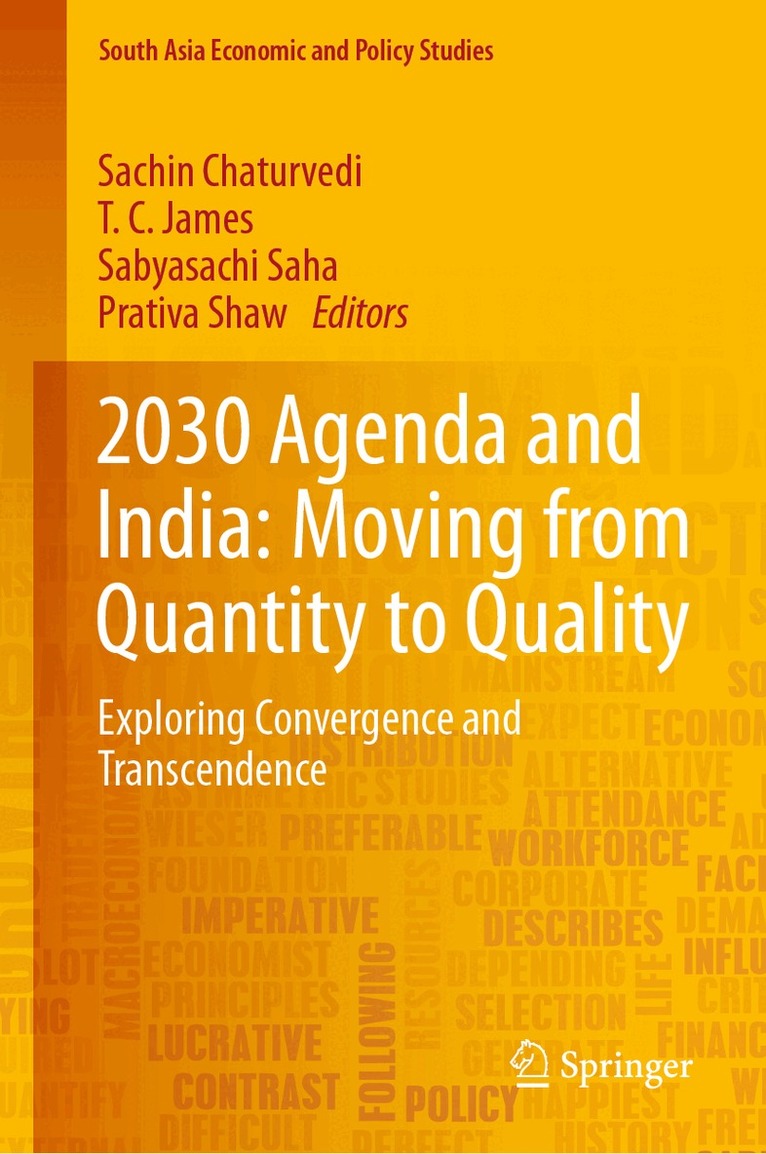
This book presents a selection of multifaceted development issues involving social, economic and environmental aspects, in order to inspire and guide implementation of the United Nations’ SDGs. It focuses on economic development, human well-being and sustainable pathways, with special attention to financial and knowledge resources, as well as measurement concepts. In doing so, the book draws a distinction between sustainability and sustainable pathways by refraining from dealing with broader and more direct environmental sustainability issues like climate change, environmental degradation and sustainable energy.
The choice of topics, apart from their relevance for India, was guided by their importance in connection with multiple SDG goals. In addition to revealing the intricacies of systemic relationships and the dilemmas they create in policy choices, the book examines the role of actors and the critical importance of partnerships to help readers comprehend the breadth of diversities and inter-linkages involved. The roles of the central and state governments, the parliament and the state assemblies, the civil society, UN agencies and district-level authorities are separately explored in depth. Sharing valuable insights, the book encourages policymakers, practitioners and scholars to move towards a sustainable and equitable economy, and supports them in their efforts.
1 073 kr
Skickas inom 10-15 vardagar
1 387 kr
Läs direkt efter köp
1 073 kr
Skickas inom 10-15 vardagar
2 202 kr
Skickas inom 10-15 vardagar
274 kr
Skickas inom 5-8 vardagar