Häftad, Engelska, 2024
178 kr
Skickas inom 5-8 vardagar
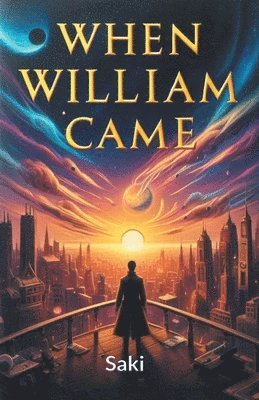
When William Came by Saki (H.H. Munro) is a satirical novel that explores themes of war, occupation, and the absurdity of national pride. Set in an alternate history where Germany has successfully invaded and occupied Britain, the novel focuses on the lives of a few British citizens who must adapt to the new political reality. It critiques the complacency and absurdities of British society before the war, showing how quickly people can adjust to even the most radical changes when faced with overwhelming power. The characters in the story wrestle with the loss of personal freedoms, the imposition of foreign rule, and the collapse of social structures. Saki's characteristic wit shines through as he mocks both the British upper class and the German occupiers, exposing the pettiness and hypocrisy of those caught in the middle of such an upheaval. At its heart, the novel questions the fragility of national identity and the ease with which it can be altered by the forces of history and politics, all while highlighting the ironies and tragicomic aspects of war and occupation. Saki's sharp, often dark humor underscores the absurdity of the situation, leaving readers to reflect on the human cost of such upheaval.