Saloni Kapur – författare
Visar alla böcker från författaren Saloni Kapur. Handla med fri frakt och snabb leverans.
6 produkter
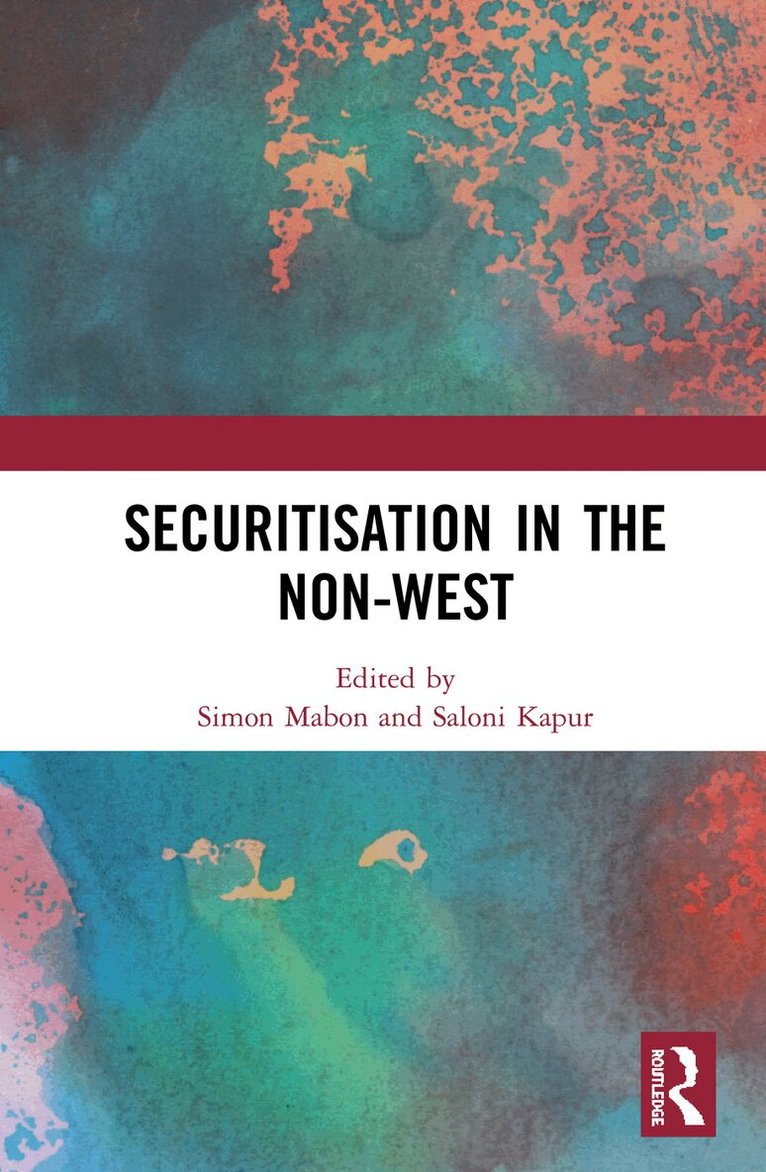
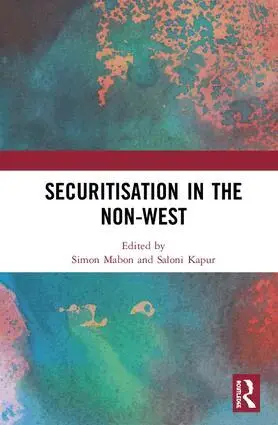
Securitisation in the Non-West
Häftad, 2020
690 kr
Lägg i varukorg
The concept of securitisation has gained increasing prominence in the past decade. Initially developed in Copenhagen, the term has been used to describe the broadening of the security agenda and the framing of particular issues as existential threats across the world. In spite of this prominence, …
Securitisation in the Non-West
E-bok, 2018
796 kr
Lägg i varukorg
The concept of securitisation has gained increasing prominence in the past decade. Initially developed in Copenhagen, the term has been used to describe the broadening of the security agenda and the framing of particular issues as existential threats across the world. In spite of this prominence, …
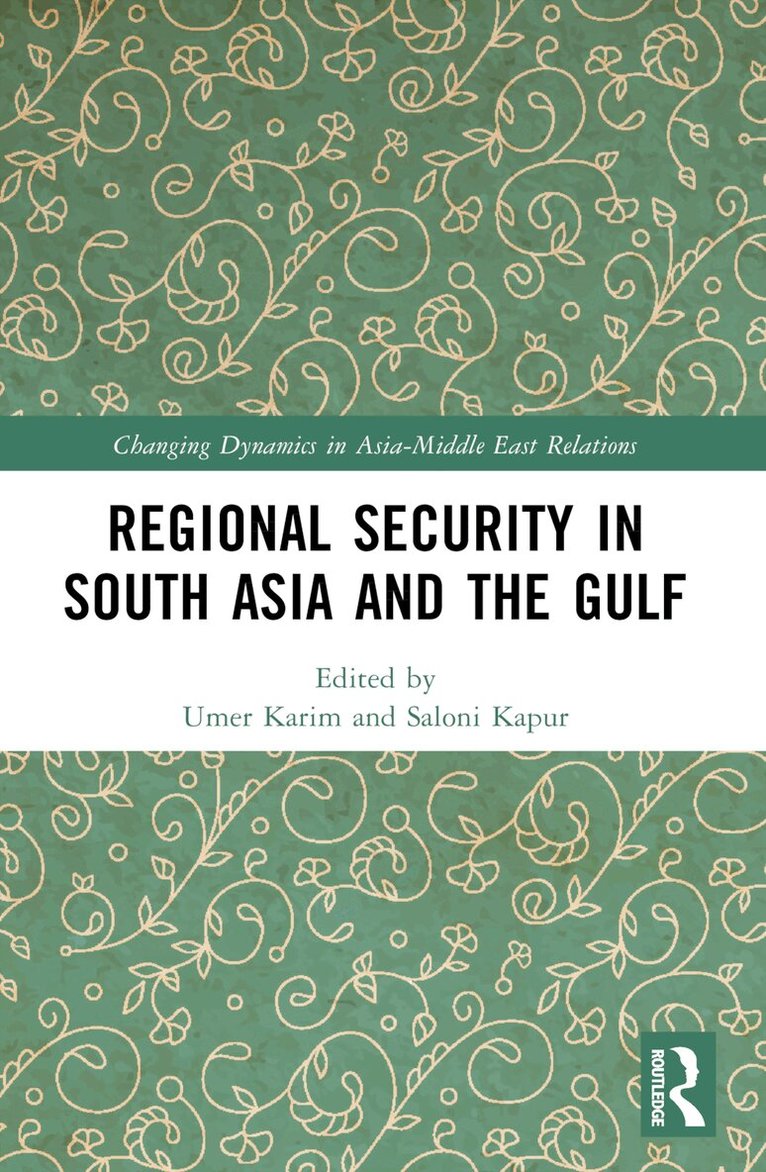
Regional Security in South Asia and the Gulf
E-bok, 2023
762 kr
Lägg i varukorg
As we move towards a world without superpowers, the dynamics within and between regions are of growing significance. Against this backdrop, this book explores the links between South Asia and the Gulf, which have existed for centuries but are undergoing important shifts in the transition to …
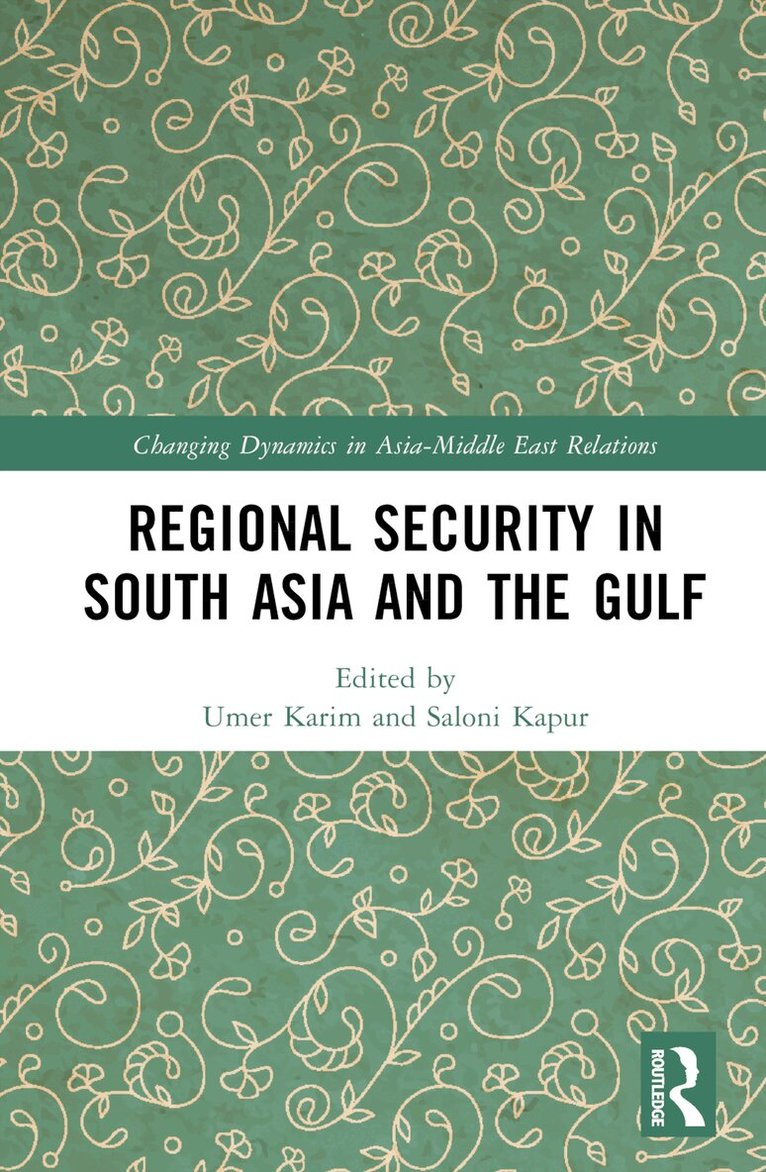
Regional Security in South Asia and the Gulf
Inbunden, 2023
2136 kr
Lägg i varukorg
As we move towards a world without superpowers, the dynamics within and between regions are of growing significance. Against this backdrop, this book explores the links between South Asia and the Gulf, which have existed for centuries but are undergoing important shifts in the transition to …
Regional Security in South Asia and the Gulf
Häftad, 2024
668 kr
Lägg i varukorg
As we move towards a world without superpowers, the dynamics within and between regions are of growing significance. Against this backdrop, this book explores the links between South Asia and the Gulf, which have existed for centuries but are undergoing important shifts in the transition to …
Securitisation in the Non-West
Inbunden, 2018
2515 kr
Lägg i varukorg
The concept of securitisation has gained increasing prominence in the past decade. Initially developed in Copenhagen, the term has been used to describe the broadening of the security agenda and the framing of particular issues as existential threats across the world. In spite of this prominence, …