Sam V. H. Reese – författare
Visar alla böcker från författaren Sam V. H. Reese. Handla med fri frakt och snabb leverans.
4 produkter
4 produkter
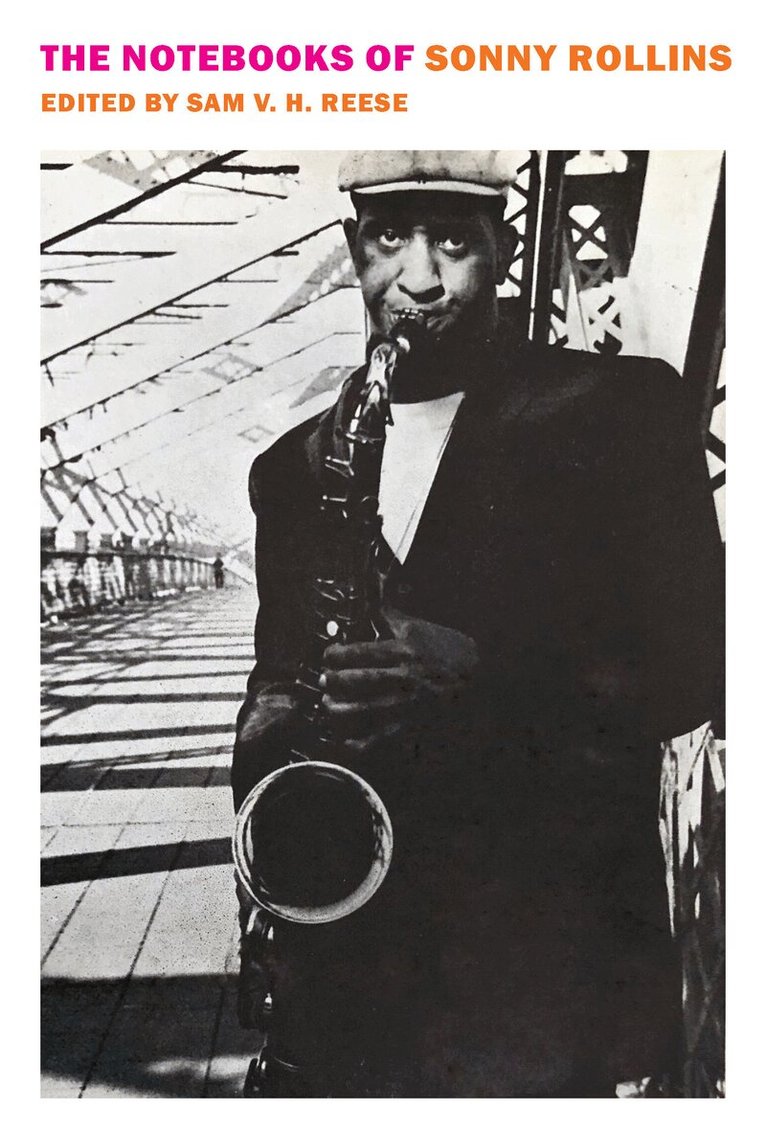
Häftad, Engelska, 2024
181 kr
Skickas
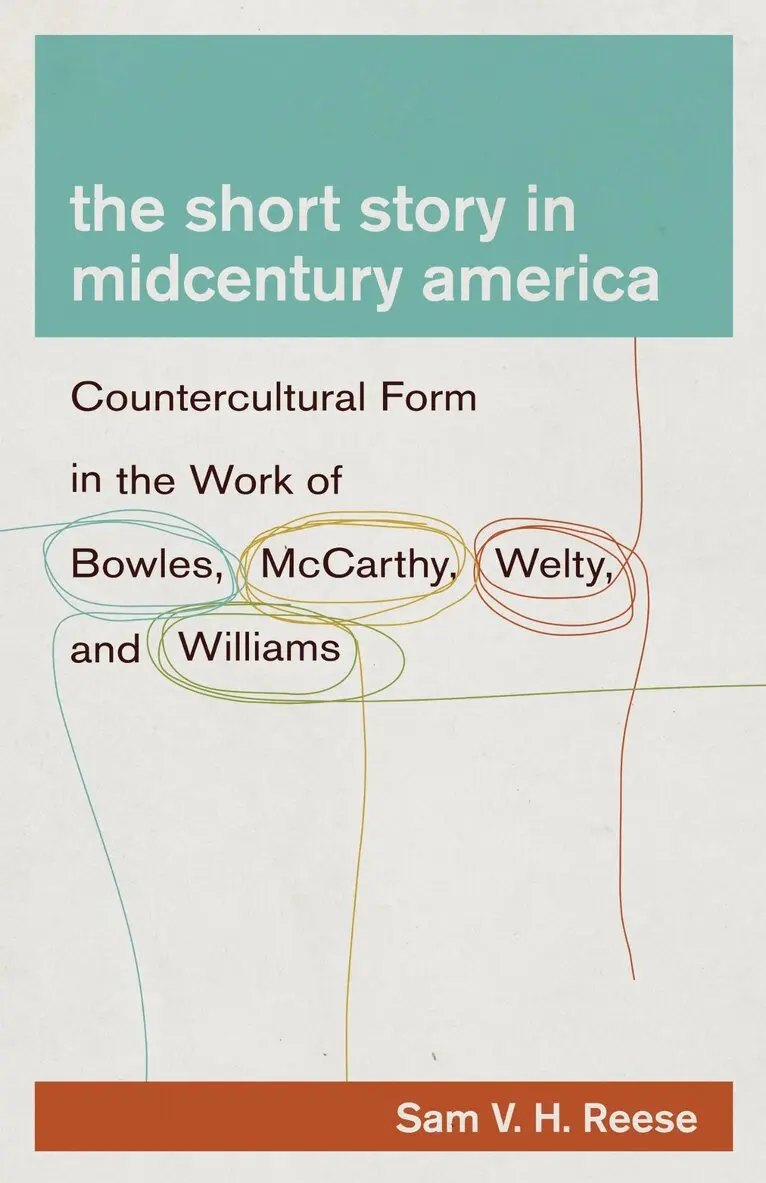
Inbunden, Engelska, 2017
534 kr
Skickas inom 5-8 vardagar
The Short Story in Midcentury America provides in-depth case studies of four major writers of the post- World War II era- Paul Bowles, Mary McCarthy, Eudora Welty, and Tennessee Williams- examining how they used the contained aesthetics of short fiction to map out an oppositional stance to the dominant narratives, both political and literary, of mid-twentieth century U.S. culture.Sam V. H. Reese presents a new understanding of the connections between politics, ideology, and literary form, arguing that writers employed the short story to critique the cultural mores of the early Cold War. The four authors under discussion found themselves socially marginalized by mainstream U.S. culture due to such factors as their gender, sexual orientation, religion, and foreign residence. Reese shows that each author embraced the short story's compressed form as a means of resisting political coercion and conformity, speaking out in support of freedom and open expression.Reese argues that these four writers used the formal restrictions of the short story to develop a type of fiction that became recognizably countercultural, challenging the expansive, sprawling novels then receiving acclaim from critics. His analysis underscores the means by which each author's short stories utilized the aesthetic practices of mediums outside conventional narrative fiction: Bowles's career as a composer, McCarthy's criticism and memoirs, Williams's playwriting, and Welty's photography. By studying both their prose and its conceptualization, Reese reveals how writers resisted the political and stylistic pressures that defined U.S. literary culture in the early years of the Cold War.In The Short Story in Midcentury America, Reese establishes a new framework for considering countercultural literature in the United States, reassessing the critical standing of the short story and re-evaluating the relationship between marginal social positions and literary form during the mid-twentieth century.
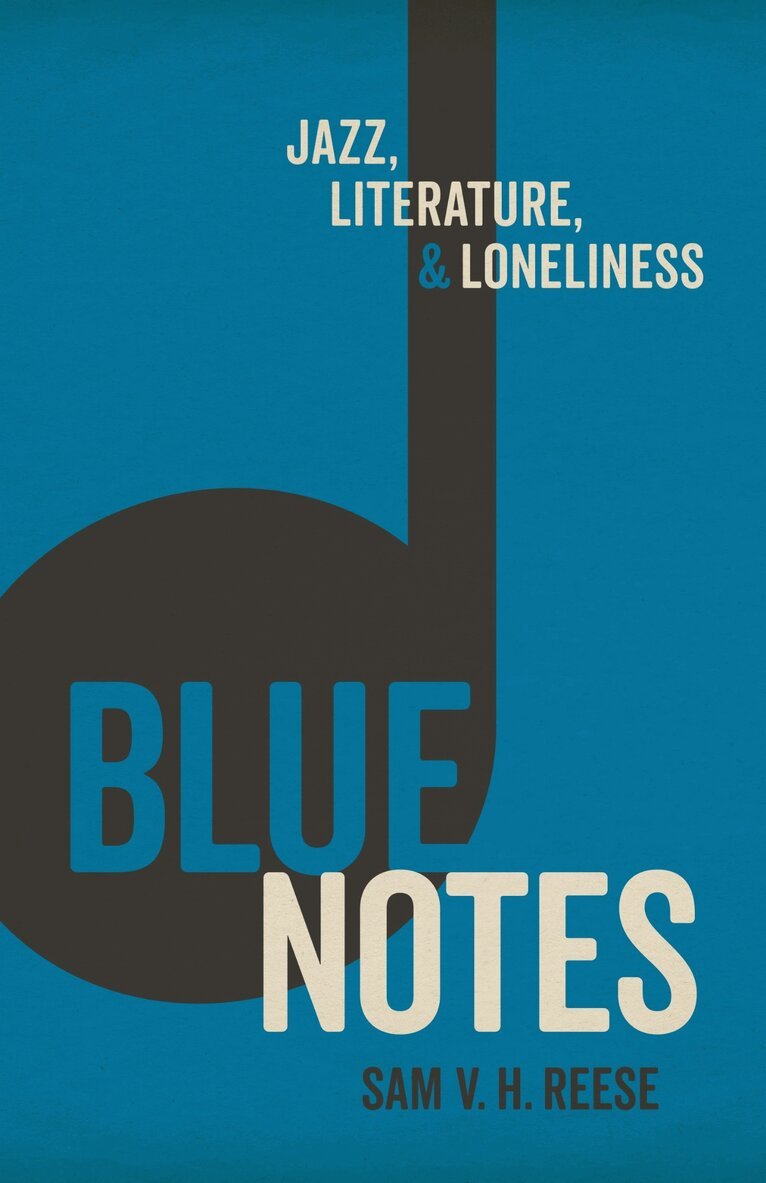
Inbunden, Engelska, 2019
503 kr
Skickas inom 5-8 vardagar
Jazz can be uplifting, stimulating, sensual, and spiritual. Yet when writers turn to this form of music, they almost always imagine it in terms of loneliness. In Blue Notes: Jazz, Literature, and Loneliness, Sam V. H. Reese investigates literary representations of jazz and the cultural narratives often associated with it, noting how they have, in turn, shaped readers' judgments and assumptions about the music.This illuminating critical study contemplates the relationship between jazz and literature from a perspective that musicians themselves regularly call upon to characterize their performances: that of the conversation. Reese traces the tradition of literary appropriations of jazz, both as subject matter and as aesthetic structure, in order to show how writers turn to this genre of music as an avenue for exploring aspects of human loneliness. In turn, jazz musicians have often looked to literature- sometimes obliquely, sometimes centrally- for inspiration. Reese devotes particular attention to how several revolutionary jazz artists used the written word as a way to express, in concrete terms, something their music could only allude to or affectively evoke. By analyzing these exchanges between music and literature, Blue Notes refines and expands the cultural meaning of being alone, stressing how loneliness can create beauty, empathy, and understanding.Reese analyzes a body of prose writings that includes Ralph Ellison's Invisible Man and midcentury short fiction by James Baldwin, Julio Cortázar, Langston Hughes, and Eudora Welty. Alongside this vibrant tradition of jazz literature, Reese considers the autobiographies of Duke Ellington and Charles Mingus, as well as works by a range of contemporary writers including Geoff Dyer, Toni Morrison, Haruki Murakami, and Zadie Smith. Throughout, Blue Notes offers original perspectives on the disparate ways in which writers acknowledge the expansive side of loneliness, reimagining solitude through narratives of connected isolation.
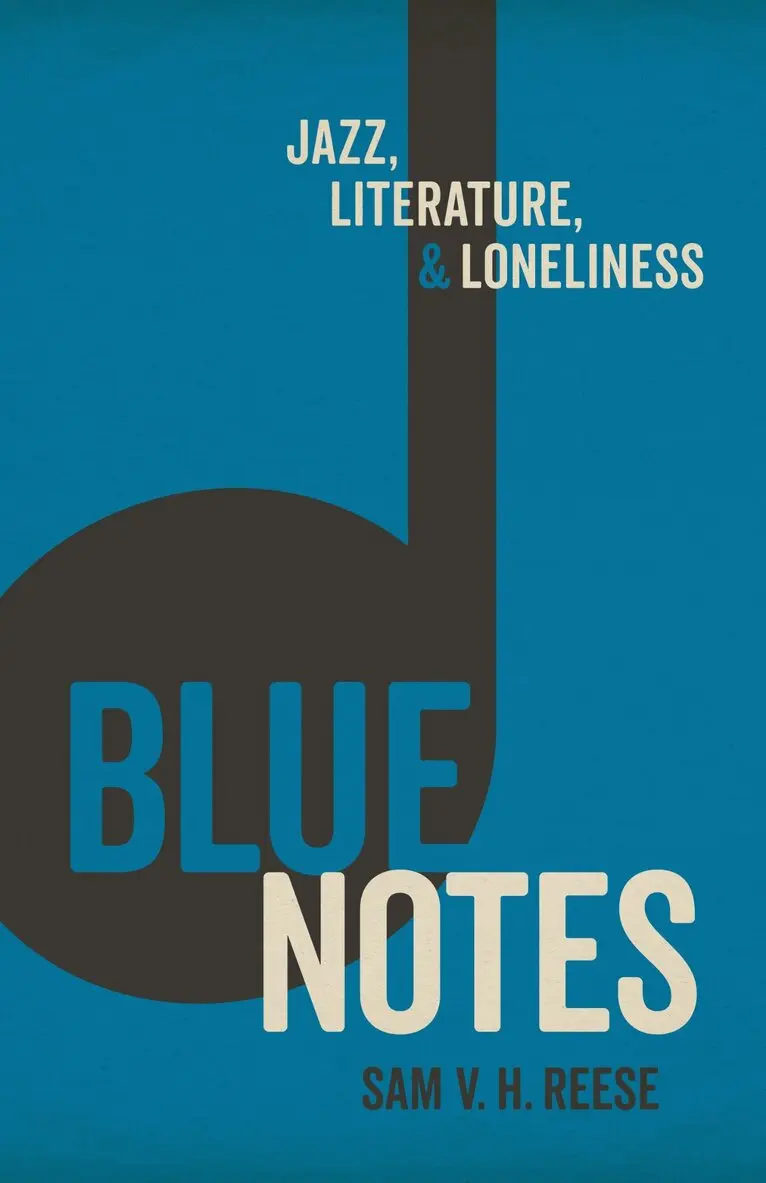
Häftad, Engelska, 2019
369 kr
Skickas inom 10-15 vardagar
Jazz can be uplifting, stimulating, sensual, and spiritual. Yet when writers turn to this form of music, they almost always imagine it in terms of loneliness. In Blue Notes: Jazz, Literature, and Loneliness, Sam V. H. Reese investigates literary representations of jazz and the cultural narratives often associated with it, noting how they have, in turn, shaped readers' judgments and assumptions about the music.This illuminating critical study contemplates the relationship between jazz and literature from a perspective that musicians themselves regularly call upon to characterize their performances: that of the conversation. Reese traces the tradition of literary appropriations of jazz, both as subject matter and as aesthetic structure, in order to show how writers turn to this genre of music as an avenue for exploring aspects of human loneliness. In turn, jazz musicians have often looked to literature- sometimes obliquely, sometimes centrally- for inspiration. Reese devotes particular attention to how several revolutionary jazz artists used the written word as a way to express, in concrete terms, something their music could only allude to or affectively evoke. By analyzing these exchanges between music and literature, Blue Notes refines and expands the cultural meaning of being alone, stressing how loneliness can create beauty, empathy, and understanding.Reese analyzes a body of prose writings that includes Ralph Ellison's Invisible Man and midcentury short fiction by James Baldwin, Julio Cortázar, Langston Hughes, and Eudora Welty. Alongside this vibrant tradition of jazz literature, Reese considers the autobiographies of Duke Ellington and Charles Mingus, as well as works by a range of contemporary writers including Geoff Dyer, Toni Morrison, Haruki Murakami, and Zadie Smith. Throughout, Blue Notes offers original perspectives on the disparate ways in which writers acknowledge the expansive side of loneliness, reimagining solitude through narratives of connected isolation.