Samantha Christiansen - Böcker
Visar alla böcker från författaren Samantha Christiansen. Handla med fri frakt och snabb leverans.
4 produkter
4 produkter
2 014 kr
Skickas inom 3-6 vardagar
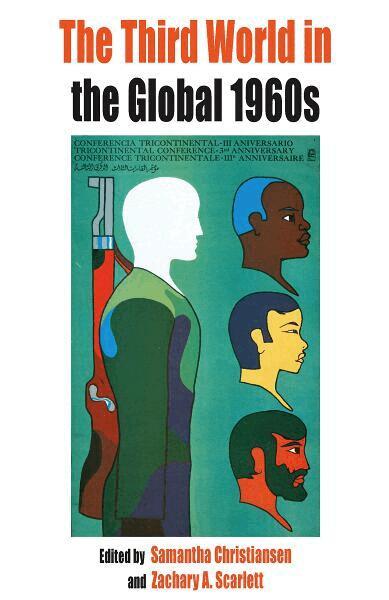
Decades after the massive student protest movements that consumed much of the world, the 1960s remain a significant subject of scholarly inquiry. While important work has been done regarding radical activism in the United States and Western Europe, events in what is today known as the Global South—Asia, Africa, and Latin America—have yet to receive the attention they deserve. This volume inserts the Third World into the study of the 1960s by examining the local and international articulations of youth protest in various geographical, social, and cultural arenas. Rejecting the notion that the Third World existed on the periphery, it situates the events of the 1960s in a more inclusive context, building a richer, more nuanced understanding of the era that better reflects the dynamism of the period.
1 442 kr
Kommande
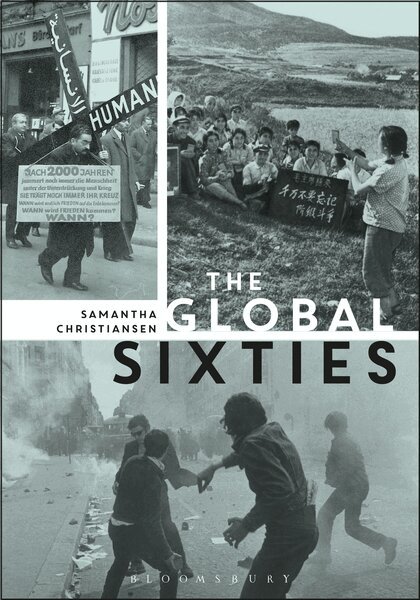
The Sixties were a time of dramatic change and conflict: a historical moment in which new questions were asked, old answers were rejected, and societies across the globe turned unexpected corners in politics and culture. The Global Sixties examines the decade, as well as its build-up and aftermath, in an interdisciplinary, global context, emphasizing connections – both real and imagined – within and across nationally defined environments. Balancing the global and local experience of the Sixties, the book provides a clear narrative of key political and cultural developments and builds an understanding of politics in the sixties that is multidimensional and global in scope. It explores concepts of identity, popular culture and social experimentation using examples and case studies drawn from multiple environments. Emphasizing the shared social, political and emotional repertoire of the Sixties, the book builds a narrative that captures the confusion and cohesion of the era.Complete with illustrations, questions for discussion, links to further resources and a companion website, this will be a vital resource for students studying the global Sixties, as well as 20th-century world history and contemporary social movements.
444 kr
Kommande
The Sixties were a time of dramatic change and conflict: a historical moment in which new questions were asked, old answers were rejected, and societies across the globe turned unexpected corners in politics and culture. The Global Sixties examines the decade, as well as its build-up and aftermath, in an interdisciplinary, global context, emphasizing connections – both real and imagined – within and across nationally defined environments. Balancing the global and local experience of the Sixties, the book provides a clear narrative of key political and cultural developments and builds an understanding of politics in the sixties that is multidimensional and global in scope. It explores concepts of identity, popular culture and social experimentation using examples and case studies drawn from multiple environments. Emphasizing the shared social, political and emotional repertoire of the Sixties, the book builds a narrative that captures the confusion and cohesion of the era.Complete with illustrations, questions for discussion, links to further resources and a companion website, this will be a vital resource for students studying the global Sixties, as well as 20th-century world history and contemporary social movements.
583 kr
Skickas inom 3-6 vardagar
Decades after the massive student protest movements that consumed much of the world, the 1960s remain a significant subject of scholarly inquiry. While important work has been done regarding radical activism in the United States and Western Europe, events in what is today known as the Global South - Asia, Africa, and Latin America - have yet to receive the requisite attention they deserve. This volume inserts the Third World into the study of the 1960s by examining the local and international articulations of youth protest in various geographical, social, and cultural arenas. Rejecting the notion that the Third World existed on the periphery, it situates the events of the 1960s in a more inclusive context, building a richer, more nuanced understanding of the Global 1960s that better reflects the dynamism of the period.