Samantha Newbery – författare
Visar alla böcker från författaren Samantha Newbery. Handla med fri frakt och snabb leverans.
6 produkter
6 produkter
Inbunden, Engelska, 2024
1 504 kr
Skickas inom 5-8 vardagar
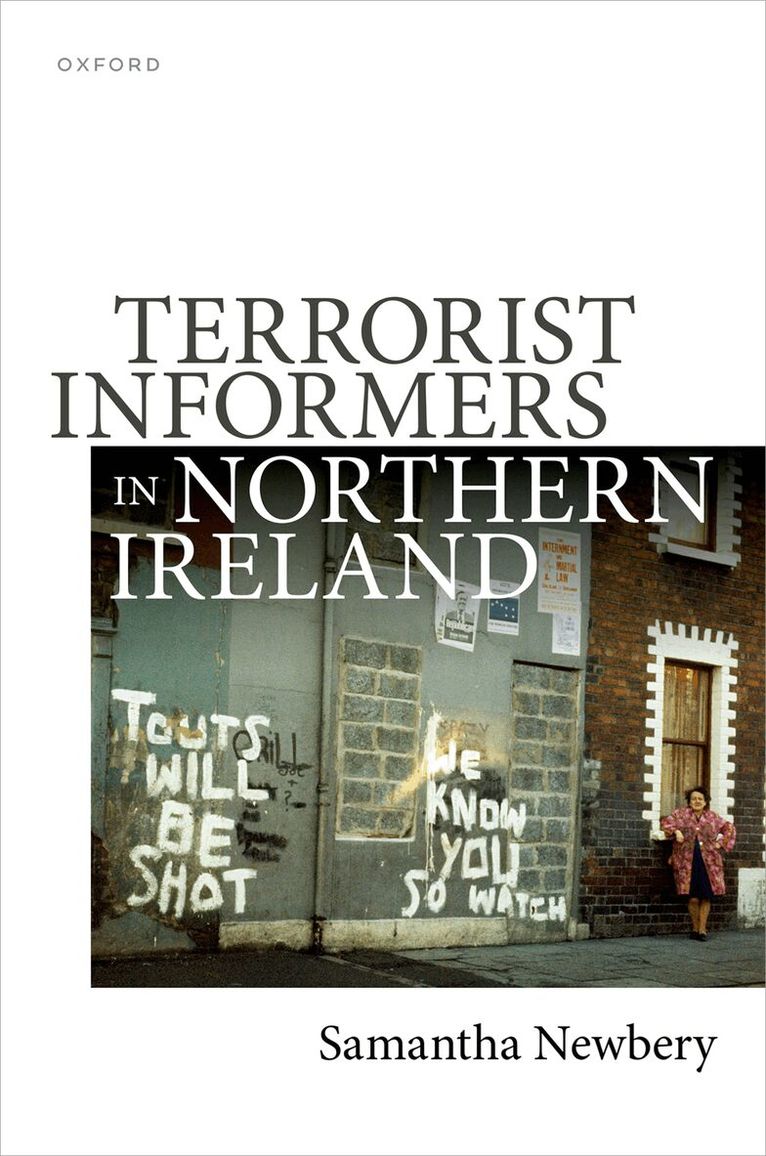
By using informers to provide intelligence on terrorism, the security and intelligence agencies who handle them gain knowledge of their offences. Charges may then be brought against them, provided evidence supports this course of action. But if imprisoned, an informer no longer has access to the time-sensitive, potentially life-saving intelligence they once had. There is therefore a tension between continuing to use an informer to provide intelligence on terrorism and upholding the law. This tension is at the heart of this book.Terrorist Informers in Northern Ireland analyses prominent terrorist informers such as Agent Stakeknife, and lesser-known examples, who collectively were active throughout Northern Ireland from the 1970s to the present. It looks at both those involved with republican groups and with loyalist groups, and also those working for the police, the armed forces, and MI5. Valuable pieces of the puzzle are unearthed in sources such as court judgments, official reports, and in interviews conducted by the author. The book also analyses the way successive governments, the police, the armed forces, and MI5 have addressed the regulation of terrorist informers' involvement in criminality, as well as allegations of 'collusion' between informers on one hand and the security and intelligence agencies on the other. Accordingly, the book also assesses the varied retrospective investigations into the use of terrorist informers, and therefore the competing needs for secrecy and transparency. As Samantha Newbery's research here shows, although there is a tension between intelligence and the law, this can be successfully navigated.
E-bok
Engelska, 20241 265 kr
Läs direkt efter köp
By using informers to provide intelligence on terrorism, the security and intelligence agencies who handle them gain knowledge of their offences. Charges may then be brought against them, provided evidence supports this course of action. But if imprisoned, an informer no longer has access to the time-sensitive, potentially life-saving intelligence they once had. There is therefore a tension between continuing to use an informer to provide intelligence on terrorism and upholding the law. This tension is at the heart of this book.Terrorist Informers in Northern Ireland analyses prominent terrorist informers such as Agent Stakeknife, and lesser-known examples, who collectively were active throughout Northern Ireland from the 1970s to the present. It looks at both those involved with republican groups and with loyalist groups, and also those working for the police, the armed forces, and MI5. Valuable pieces of the puzzle are unearthed in sources such as court judgments, official reports, and in interviews conducted by the author. The book also analyses the way successive governments, the police, the armed forces, and MI5 have addressed the regulation of terrorist informers' involvement in criminality, as well as allegations of 'collusion' between informers on one hand and the security and intelligence agencies on the other. Accordingly, the book also assesses the varied retrospective investigations into the use of terrorist informers, and therefore the competing needs for secrecy and transparency. As Samantha Newbery's research here shows, although there is a tension between intelligence and the law, this can be successfully navigated.
E-bok
PDF, Engelska, 20241 221 kr
Läs direkt efter köp
By using informers to provide intelligence on terrorism, the security and intelligence agencies who handle them gain knowledge of their offences. Charges may then be brought against them, provided evidence supports this course of action. But if imprisoned, an informer no longer has access to the time-sensitive, potentially life-saving intelligence they once had. There is therefore a tension between continuing to use an informer to provide intelligence on terrorism and upholding the law. This tension is at the heart of this book.Terrorist Informers in Northern Ireland analyses prominent terrorist informers such as Agent Stakeknife, and lesser-known examples, who collectively were active throughout Northern Ireland from the 1970s to the present. It looks at both those involved with republican groups and with loyalist groups, and also those working for the police, the armed forces, and MI5. Valuable pieces of the puzzle are unearthed in sources such as court judgments, official reports, and in interviews conducted by the author. The book also analyses the way successive governments, the police, the armed forces, and MI5 have addressed the regulation of terrorist informers' involvement in criminality, as well as allegations of 'collusion' between informers on one hand and the security and intelligence agencies on the other. Accordingly, the book also assesses the varied retrospective investigations into the use of terrorist informers, and therefore the competing needs for secrecy and transparency. As Samantha Newbery's research here shows, although there is a tension between intelligence and the law, this can be successfully navigated.
Inbunden, Engelska, 2015
1 150 kr
Skickas inom 5-8 vardagar
Interrogation, Intelligence and Security examines the origins and effects of a group of interrogation techniques known as the ‘five techniques’. Through its in-depth analysis the book reveals how British forces came to use these controversial methods. Focusing on the British colony of Aden (1963–67), the height of ‘the troubles’ in Northern Ireland (1971), and the conflict in Iraq (2003), the book explores the use of hooding to restrict vision, white noise, stress positions, limited sleep and a limited diet. There are clear parallels between these three case studies and the use of controversial interrogation techniques today. Readers will be able to make informed judgements about whether, on the basis of the results of these cases, interrogation techniques that might be described as torture can be justified.This book will be of particular interest to security professionals, academics and members of the public interested in the torture debate, intelligence, the military, counter-insurgency, counter-terrorism, foreign policy and law enforcement.
E-bok
PDF, Engelska, 2015361 kr
Läs direkt efter köp
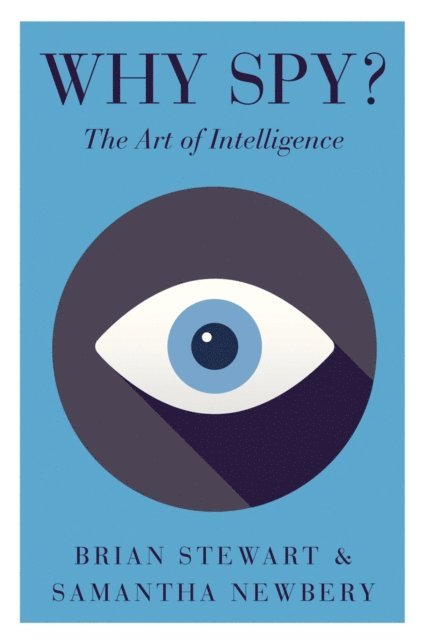
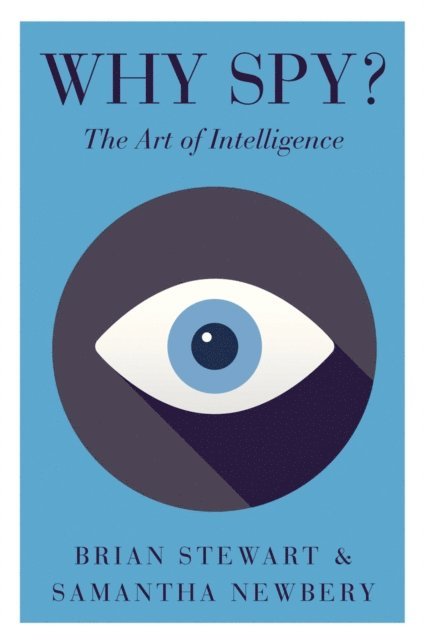
Why Spy? is the result of Brian Stewart''s seventy years of working in, and studying the uses and abuses of, intelligence in the real world. Few books currently available to those involved either as professionals or students in this area have been written by someone like the present author, who has practical experience both of field work and of the intelligence bureaucracy at home and abroad. It relates successes and failures via case studies, and draws conclusions that should be pondered by all those concerned with the limitations and usefulness of the intelligence product, as well as with how to avoid the tendency to abuse or ignore it when its conclusions do not fit with preconceived ideas. It reminds the reader of the multiplicity of methods and organisations and the wide range of talents making up the intelligence world. The co-author, scholar Samantha Newbery, examines such current issues as the growth of intelligence studies in universities, and the general emphasis throughout the volume is on the necessity of embracing a range of sources, including police, political, military and overt, to ensure that secret intelligence is placed in as wide a context as possible when decisions are made.
E-bok
Engelska, 2015361 kr
Läs direkt efter köp
Why Spy? is the result of Brian Stewart''s seventy years of working in, and studying the uses and abuses of, intelligence in the real world. Few books currently available to those involved either as professionals or students in this area have been written by someone like the present author, who has practical experience both of field work and of the intelligence bureaucracy at home and abroad. It relates successes and failures via case studies, and draws conclusions that should be pondered by all those concerned with the limitations and usefulness of the intelligence product, as well as with how to avoid the tendency to abuse or ignore it when its conclusions do not fit with preconceived ideas. It reminds the reader of the multiplicity of methods and organisations and the wide range of talents making up the intelligence world. The co-author, scholar Samantha Newbery, examines such current issues as the growth of intelligence studies in universities, and the general emphasis throughout the volume is on the necessity of embracing a range of sources, including police, political, military and overt, to ensure that secret intelligence is placed in as wide a context as possible when decisions are made.