Sameh Reyad – författare
Visar alla böcker från författaren Sameh Reyad. Handla med fri frakt och snabb leverans.
3 produkter
3 produkter
Del 226 - Studies in Systems, Decision and Control
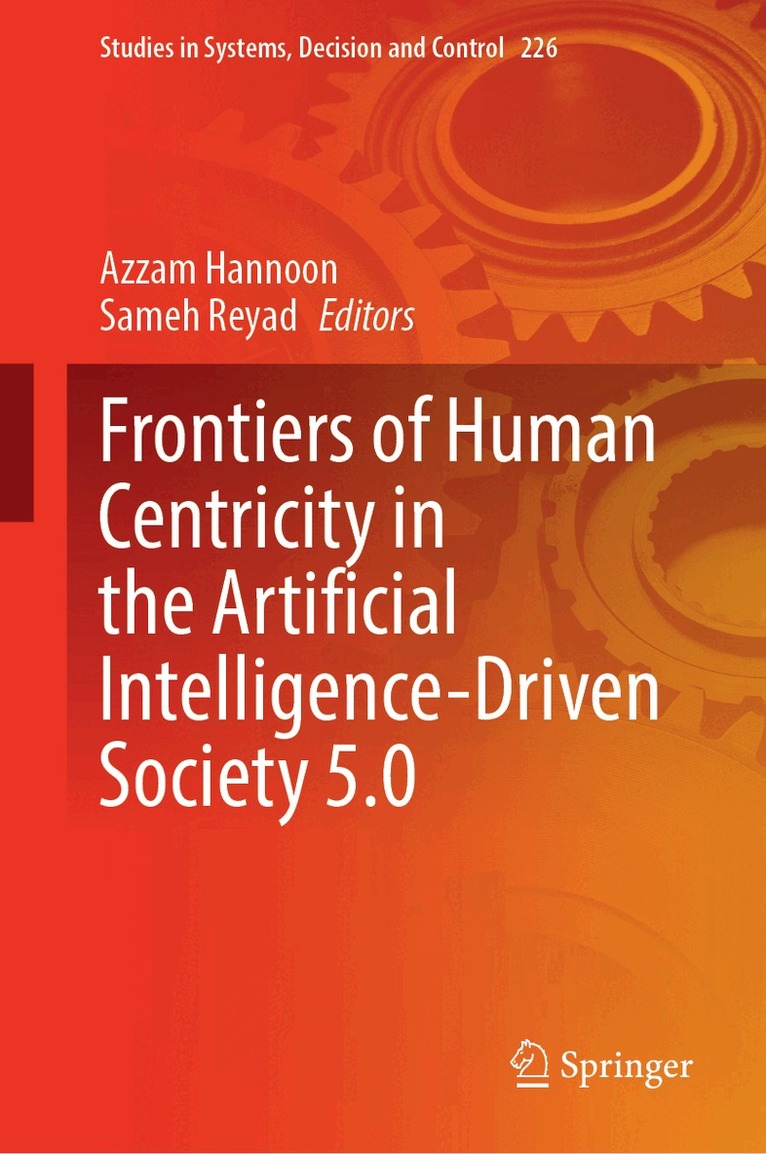
Frontiers of Human Centricity in the Artificial Intelligence-Driven Society 5.0
2024
4 113 kr
Skickas inom 10-15 vardagar
According to Serpa (in MDPI encyclopedia) [3], Society 5.0 can be realized as a concept and a guide for social development, with a profound impact on current societal structures in multiple levels.
Del 226 - Studies in Systems, Decision and Control
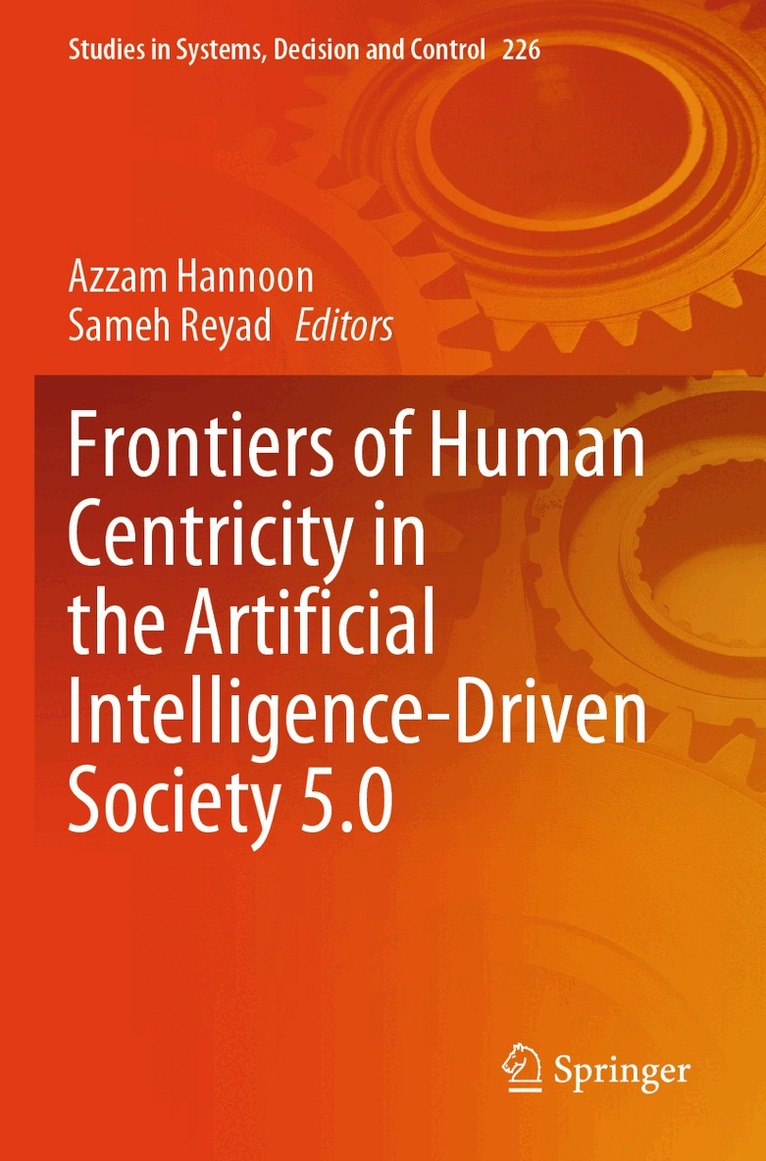
Frontiers of Human Centricity in the Artificial Intelligence-Driven Society 5.0
2025
4 113 kr
Skickas inom 10-15 vardagar
According to Serpa (in MDPI encyclopedia) [3], Society 5.0 can be realized as a concept and a guide for social development, with a profound impact on current societal structures in multiple levels. Society 5.0 achieves advanced convergence between cyberspace and physical space, enabling AI-based on big data and robots to perform or support as an agent the work and adjustments that humans have done up to now. Deguchi et al., [4] define Society 5.0 as a highly intelligent society based on generation, processing, exchange of data, and more specifically knowledge, through the connection of the physical environment with the cyberspace. Achieving Society 5.0 with these attributes would enable the world to realize economic development while solving key social problems. It would additionally contribute to achieving the SDGs established by the United Nations. Despite the differences in formulation of the names of these periods and societies, it is obvious that each of them became a basis for step like growth in developed society; at, specific time periods, scale, character and depth of these changes are different in different countries. Consequently, to address the aims of the book, it seeks exploratory, empirical, interpretive, and theoretical research built on either primary or secondary data. The approaches suggested are not exhaustive and can be extended upon by the researchers. In addition, the book will contribute towards the UN’s sustainable development goals. In support of UN’s efforts towards a more digital economy, this book aims to debate and discuss the history, genesis, future, opportunities, and challenges of transitioning to Society 5.0. and provides a holistic perspective on a variety of topics special topics which contribute towards the optimal attainment of the SDGs, particularly in terms of socialdimensions. Finally, this book provides a platform for researchers, academics, and professionals to the transition and technological enablers of industrial revolutions through empirical or exploratory studies that use a variety of innovative approaches. The target audience of the book includes researchers and scholars who will find in its comprehensive knowledge about industry 4, industry 5, society 5 and its contribution to economic growth and sustainable development goals (SDGs). Furthermore, the book’s secondary target audience are teachers, managers, strategists, professionals, governments, and policymakers.
3 773 kr
Kommande
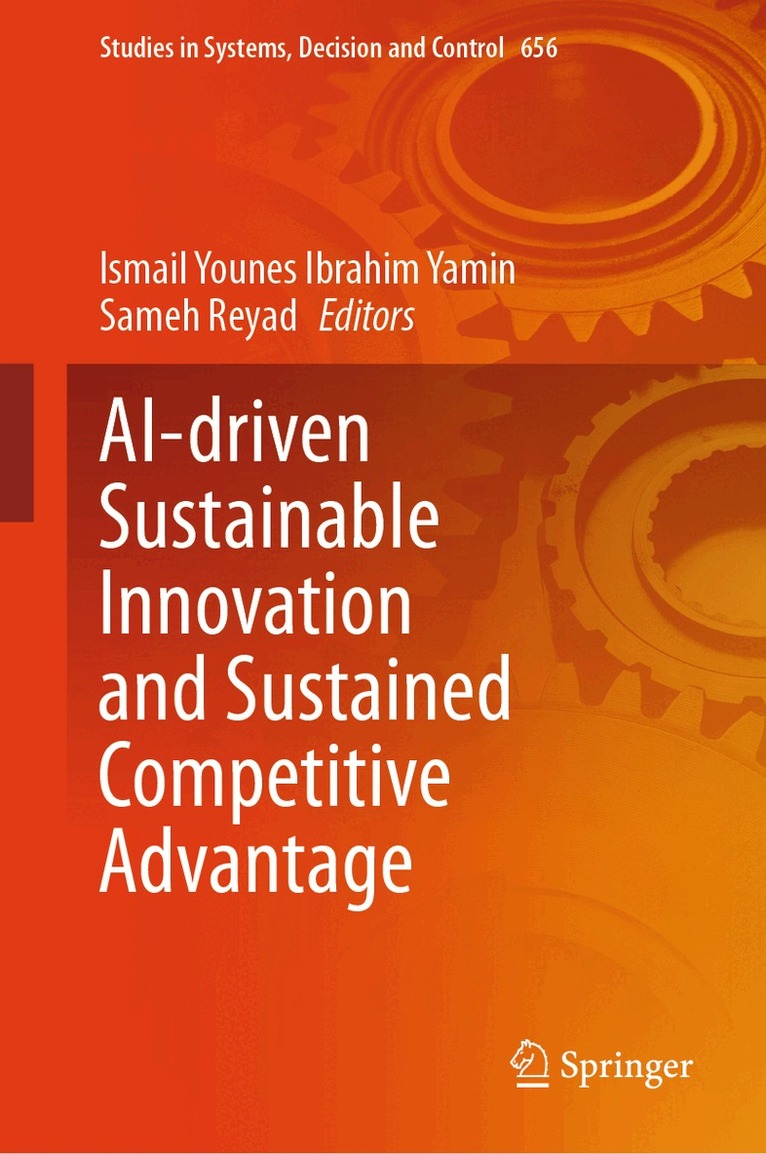
This academic book examines the significant role of artificial intelligence in driving sustainable innovation and achieving sustained competitive advantage. It analyzes how organizations can implement AI technologies to promote responsible practices, enhance operational efficiencies, and develop innovative business models that withstand market changes. Drawing on scholarly papers and research, the book provides insights into how AI-based strategies contribute to long-term organizational growth while aligning sustainability objectives.Chapters include topics on digital administrative innovation and organizational creativity in the digital era, emphasizing talent management’s role in fostering innovation and maintaining institutional excellence. The impact of digital bureaucracy on public employee satisfaction is examined, offering perspectives on digital governance and workforce engagement. Further chapters focus on AI and digital tools for improved ESG reporting and sustainable business practices, highlighting how technology can support transparency and accountability. The role of digital manufacturing in promoting environmental sustainability through novel production techniques is discussed, alongside an analysis of financial technologies and their contributions to banking sustainability.Designed for researchers, scholars, business leaders, financial professionals, AI and ICT professionals, and students in management, information systems, sustainability strategy, and technology management, this book aims to provide a clear understanding of how AI and digital innovations shape sustainable business practices and competitive strategies in the era of digitalization.