Samer S. Shehata – författare
Visar alla böcker från författaren Samer S. Shehata. Handla med fri frakt och snabb leverans.
4 produkter
4 produkter
1 871 kr
Skickas inom 3-6 vardagar
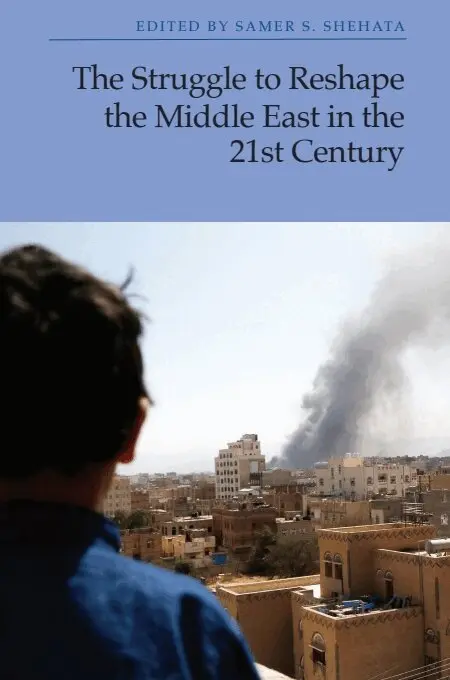
Examines how regional turbulence following the 2003 Iraq war and the 2011 Arab uprisings impacted domestic politics and regional policies of key states in the Middle EastContains detailed case studies based on original research and analysis by leading Middle East scholarsEngages with the Middle East domestic politics and Middle East international relations scholarshipCritically examines US policy toward the Middle East under Obama and TrumpReinterprets Israel's role within the Middle East regional orderExamines Turkey's foreign policy toward the Syria crisisExplores of Iranian national security thinking and policy toward the Syria crisisAnalyses of increased regional rivalry on the Gulf Cooperation Council and relations between member statesCritiques international and regional discourses justifying intervention in Yemen and assessment of consequencesPresents original research based on interviews examining role of regional actors in Egypt's 'failed democratisation'Re-evaluates the failure of Al Qaeda in Iraq and SyriaProvides the first analysis of foreign policy orientation of the new Salafi parties in the regionThe volume examines the causes and consequences of regional turbulence in the Middle East following the 2003 Iraq war and the 2011 Arab uprisings. The Middle East has experienced unprecedented levels of instability and violence during this period including regime breakdown, heightened rivalry and competition, civil and proxy wars, cross border military intervention, refugee flows, and the emergence of violent non-state actors.Following a theoretical chapter analysing the drivers of regional turbulence, leading Middle East scholars investigate the impact of turbulence on the politics of different states and actors in the region. 9 case studies analyse the foreign policies and regional role of the United States and Israel, Iran and Turkey's policies toward the Syrian crisis, and the impact of regional turbulence and intervention on Yemen, Egypt and relations among Arab Gulf states. The two final chapters examine two new Islamist actors that emerged in the Middle East during this period: Sunni militant groups in Iraq and Syria and the new Salafi political parties and their foreign policy orientations.
318 kr
Skickas
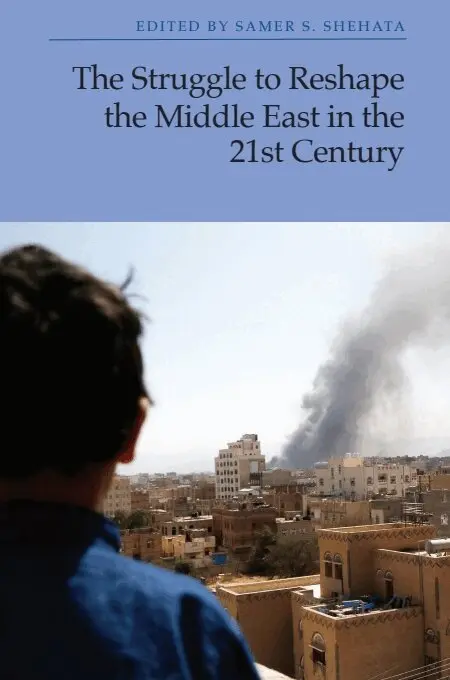
The volume examines the causes and consequences of regional turbulence in the Middle East following the 2003 Iraq war and the 2011 Arab uprisings. The Middle East has experienced unprecedented levels of instability and violence during this period including regime breakdown, heightened rivalry and competition, civil and proxy wars, cross border military intervention, refugee flows, and the emergence of violent non-state actors. Following a theoretical chapter analysing the drivers of regional turbulence, leading Middle East scholars investigate the impact of turbulence on the politics of different states and actors in the region. Nine case studies analyse the foreign policies and regional role of the United States and Israel, Iran and Turkey's policies toward the Syrian crisis, and the impact of regional turbulence and intervention on Yemen, Egypt, and relations among Arab Gulf states. The two final chapters examine two new Islamist actors that emerged in the Middle East during this period: Sunni militant groups in Iraq and Syria and the new Salafi political parties and their foreign policy orientations. ?
1 088 kr
Tillfälligt slut
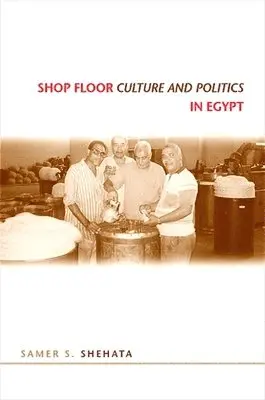
Ethnographic study of textile factory workers in Alexandria, Egypt.In Shop Floor Culture and Politics in Egypt, Samer S. Shehata provides us with a unique and detailed ethnographic portrait of life within two large textile factories in Alexandria, Egypt. Working for nearly a year as a "winding machine operator" provided Shehata with unprecedented access to workers at the point of production and the activities of the work hall. He argues that the social organization of production in the factories-including company rules and procedures, hierarchy, and relations of authority-and shop floor culture profoundly shape what it means to be a "worker" and how this identity is understood. Shehata reveals how economic relations inside the factory are simultaneously relations of significance and meaning, and how the production of wool and cotton textiles is, at the same time, the production of categories of identity, patterns of human interaction, and understandings of the self and others.
394 kr
Tillfälligt slut
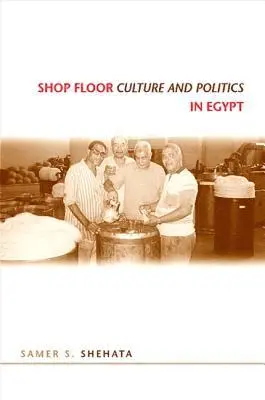
Ethnographic study of textile factory workers in Alexandria, Egypt.In Shop Floor Culture and Politics in Egypt, Samer S. Shehata provides us with a unique and detailed ethnographic portrait of life within two large textile factories in Alexandria, Egypt. Working for nearly a year as a "winding machine operator" provided Shehata with unprecedented access to workers at the point of production and the activities of the work hall. He argues that the social organization of production in the factories-including company rules and procedures, hierarchy, and relations of authority-and shop floor culture profoundly shape what it means to be a "worker" and how this identity is understood. Shehata reveals how economic relations inside the factory are simultaneously relations of significance and meaning, and how the production of wool and cotton textiles is, at the same time, the production of categories of identity, patterns of human interaction, and understandings of the self and others.