Samiul Hasan – författare
Visar alla böcker från författaren Samiul Hasan. Handla med fri frakt och snabb leverans.
14 produkter
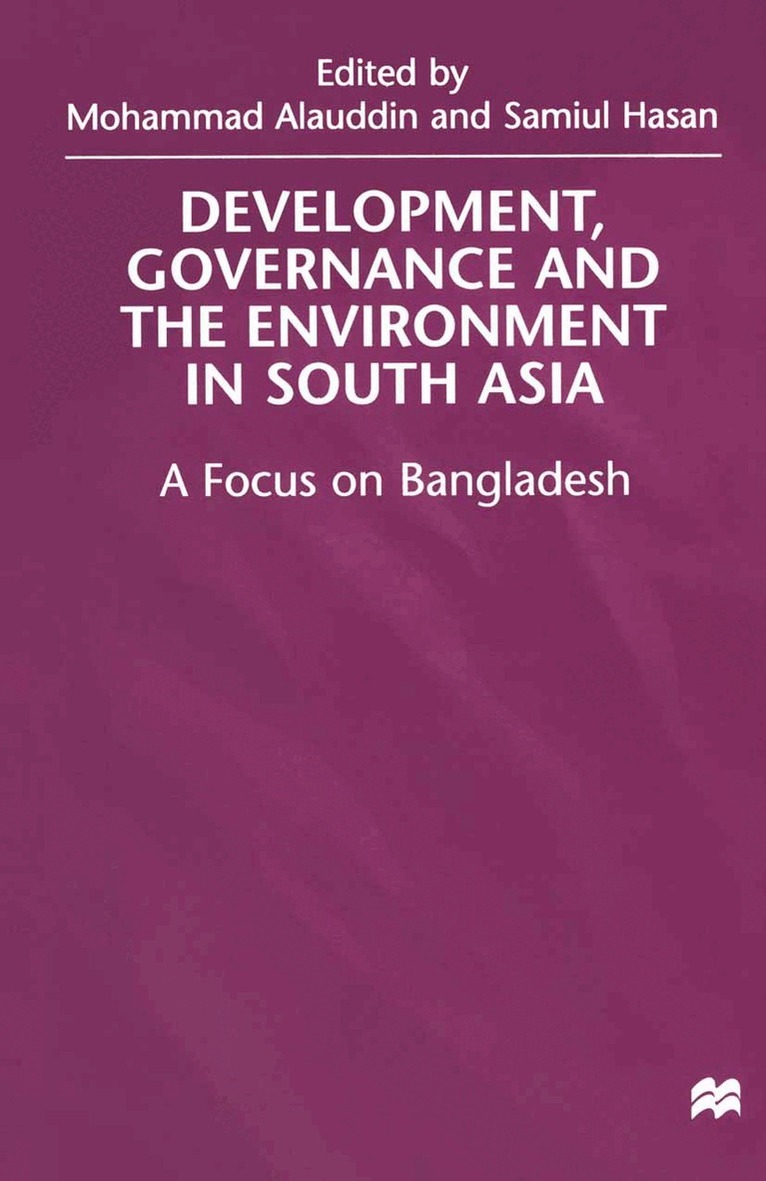
Development, Governance and Environment in South Asia
A Focus on Bangladesh
Av Alauddin, Mohammad Alauddin m. fl.
Inbunden, 1999
1693 kr
Lägg i varukorg
The worst chemical disaster ever could be happening right now. In India and Bangladesh between forty and eighty million people are at risk of consuming too much arsenic from well water that might have already caused one hundred thousand cancer cases and thousands of deaths. Many millions elsewhere …
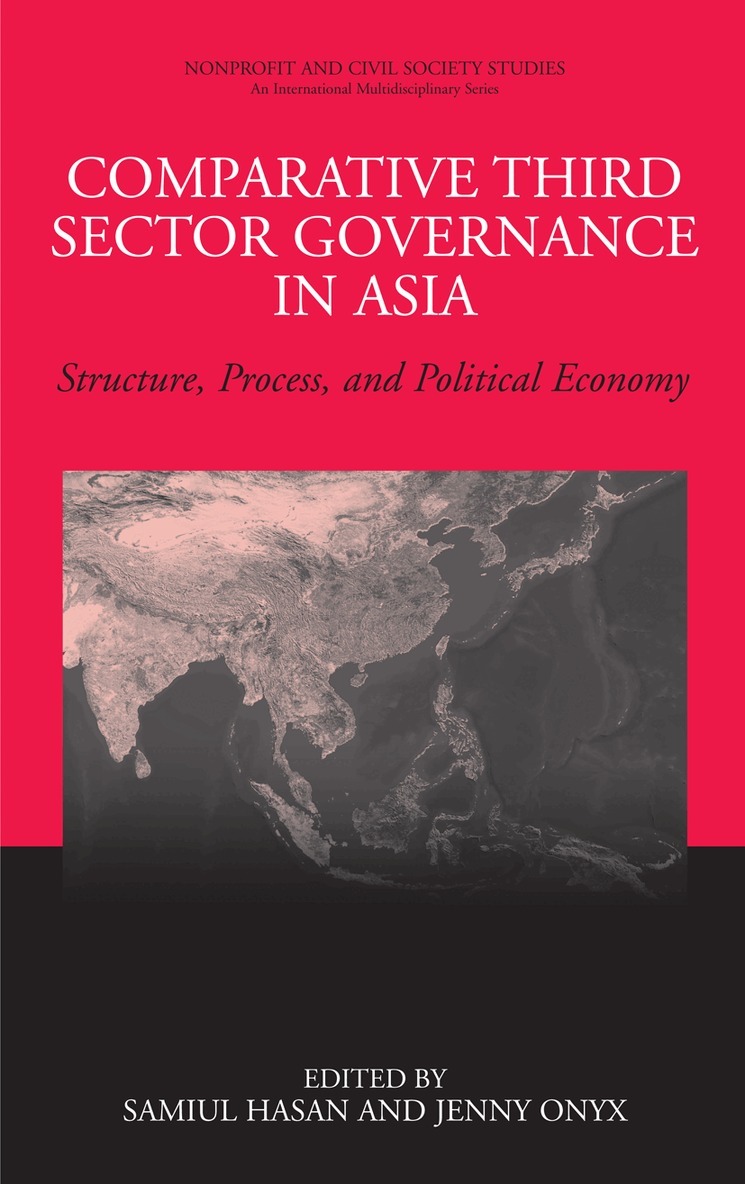
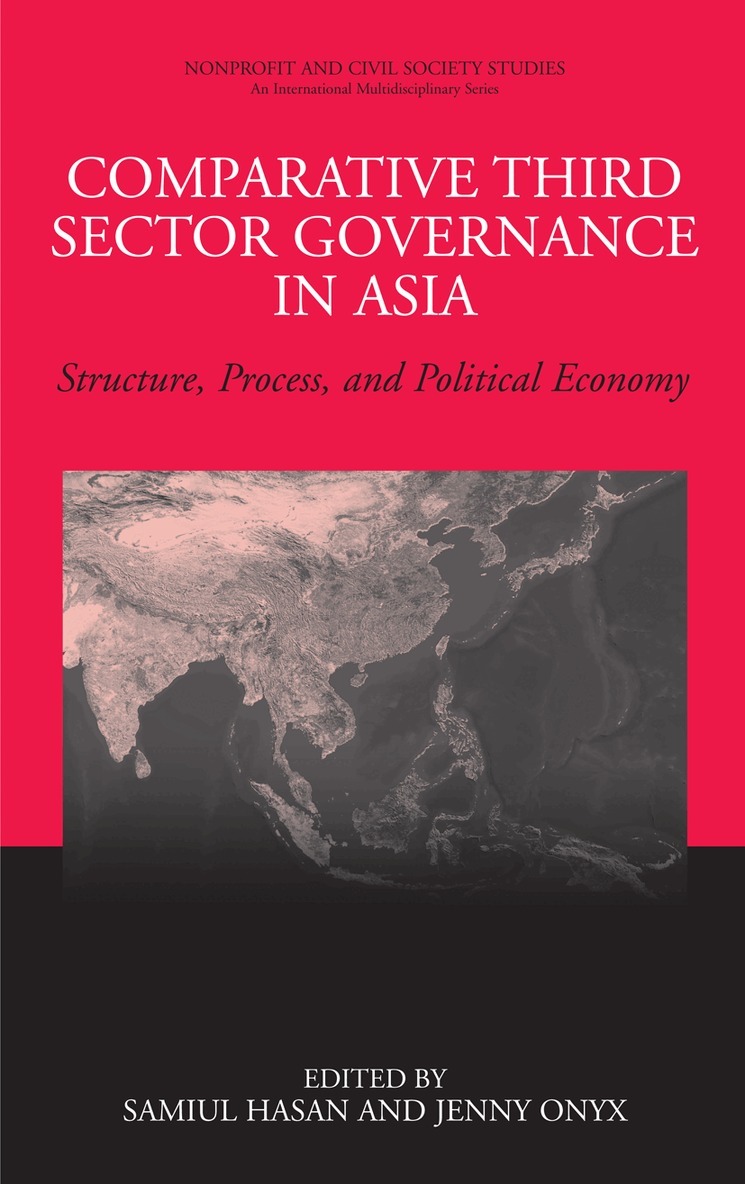
Comparative Third Sector Governance in Asia
Structure, Process, and Political Economy
Inbunden, 2008
1095 kr
Lägg i varukorg
Non-profit organizations, NGOs and other third sector organizations are increasingly playing a central role in achieving and sustaining a prosperous economy and a just civil society in countries around the world. While their importance is widely acknowledged, their sustainability is not guaranteed …
Comparative Third Sector Governance in Asia
Structure, Process, and Political Economy
E-bok, 2008
1459 kr
Lägg i varukorg
Non-profit organizations, NGOs and other third sector organizations are increasingly playing a central role in achieving and sustaining a prosperous economy and a just civil society in countries around the world. While their importance is widely acknowledged, their sustainability is not guaranteed …
Development, Governance and Environment in South Asia
A Focus on Bangladesh
Av Samiul Hasan, Mohammad Alauddin
E-bok, 2016
2309 kr
Lägg i varukorg
The worst chemical disaster ever could be happening right now. In India and Bangladesh between forty and eighty million people are at risk of consuming too much arsenic from well water that might have already caused one hundred thousand cancer cases and thousands of deaths. Many millions elsewhere …
Comparative Third Sector Governance in Asia
Structure, Process, and Political Economy
Häftad, 2010
1098 kr
Lägg i varukorg
Non-profit organizations, NGOs and other third sector organizations are increasingly playing a central role in achieving and sustaining a prosperous economy and a just civil society in countries around the world. While their importance is widely acknowledged, their sustainability is not guaranteed …
Human Security and Philanthropy
Islamic Perspectives and Muslim Majority Country Practices
Av Samiul Hasan
Inbunden, 2015
1098 kr
Lägg i varukorg
Muslims for hundreds of years have been involved in philanthropic activities targeting poor and needy people through varied types of ‘third sector’ organizations (TSOs). Nonetheless, many people in Muslim majority countries (MMCs), not having freedom from hunger, face human security crises. Not …
Human Security and Philanthropy
Islamic Perspectives and Muslim Majority Country Practices
Av Samiul Hasan
E-bok, 2015
1459 kr
Lägg i varukorg
Muslims for hundreds of years have been involved in philanthropic activities targeting poor and needy people through varied types of ‘third sector’ organizations (TSOs). Nonetheless, many people in Muslim majority countries (MMCs), not having freedom from hunger, face human security crises. Not …
Human Security and Philanthropy
Islamic Perspectives and Muslim Majority Country Practices
Av Samiul Hasan
Häftad, 2016
1098 kr
Lägg i varukorg
Muslims for hundreds of years have been involved in philanthropic activities targeting poor and needy people through varied types of ‘third sector’ organizations (TSOs). Nonetheless, many people in Muslim majority countries (MMCs), not having freedom from hunger, face human security crises. Not …
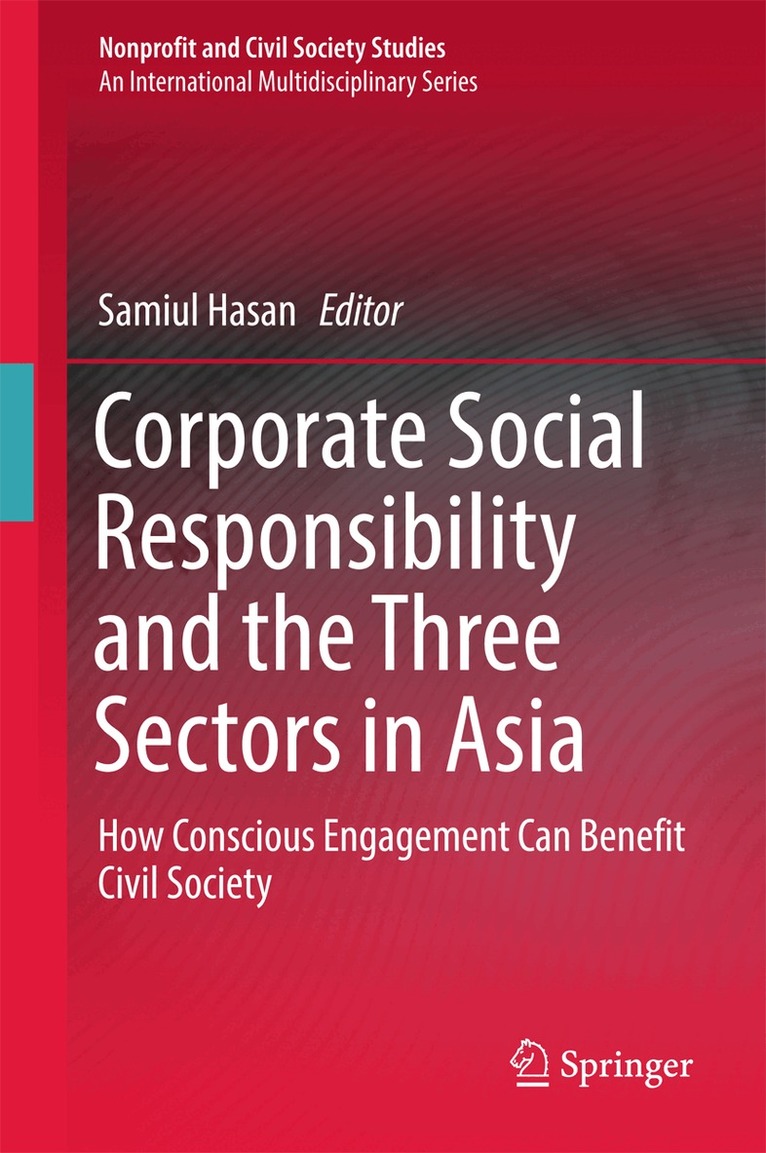
Corporate Social Responsibility and the Three Sectors in Asia
How Conscious Engagement Can Benefit Civil Society
Av Samiul Hasan
Inbunden, 2017
1098 kr
Lägg i varukorg
This volume investigates how much governmental control is needed to reign in corporate and business greed and to make business "socially responsible" in Asia. It also questions whether business entities need to be reigned in by the government itself, or if other social, religious, or economic …
Corporate Social Responsibility and the Three Sectors in Asia
How Conscious Engagement Can Benefit Civil Society
Av Samiul Hasan
E-bok, 2017
1413 kr
Lägg i varukorg
This volume investigates how much governmental control is needed to reign in corporate and business greed and to make business "socially responsible" in Asia. It also questions whether business entities need to be reigned in by the government itself, or if other social, religious, or economic …
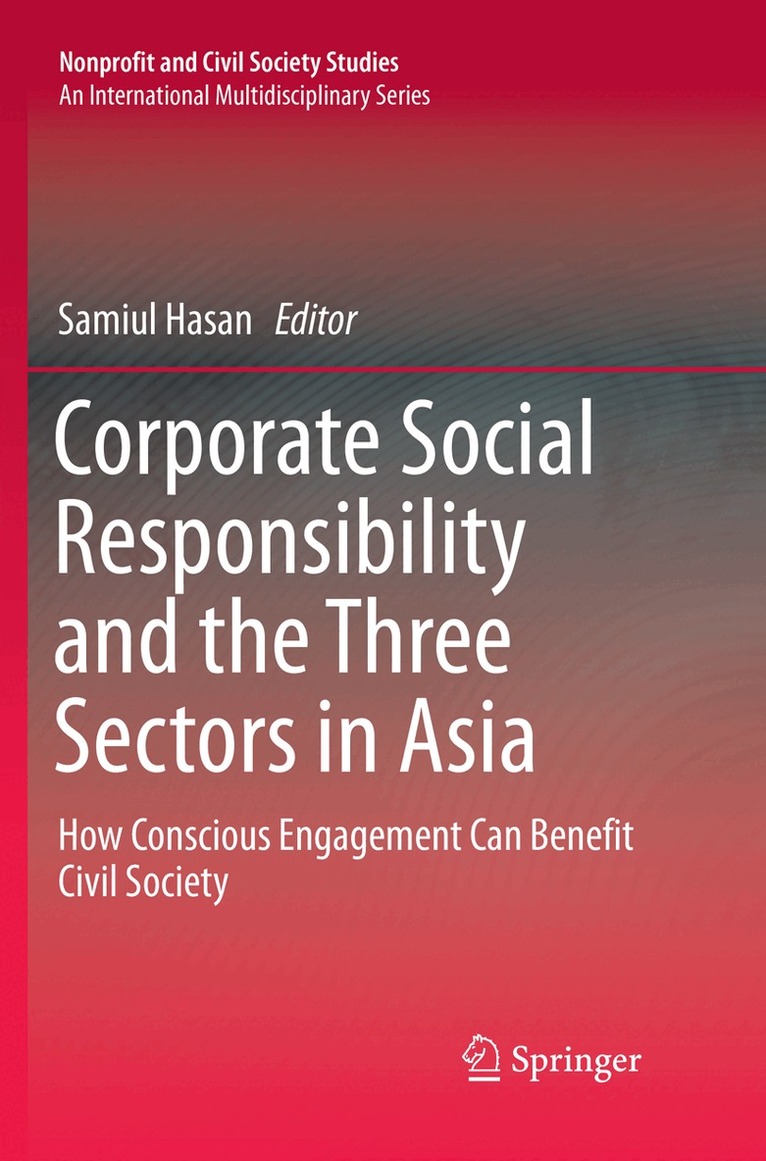
Corporate Social Responsibility and the Three Sectors in Asia
How Conscious Engagement Can Benefit Civil Society
Av Samiul Hasan
Häftad, 2018
1098 kr
Lägg i varukorg
This volume investigates how much governmental control is needed to reign in corporate and business greed and to make business "socially responsible" in Asia. It also questions whether business entities need to be reigned in by the government itself, or if other social, religious, or economic …
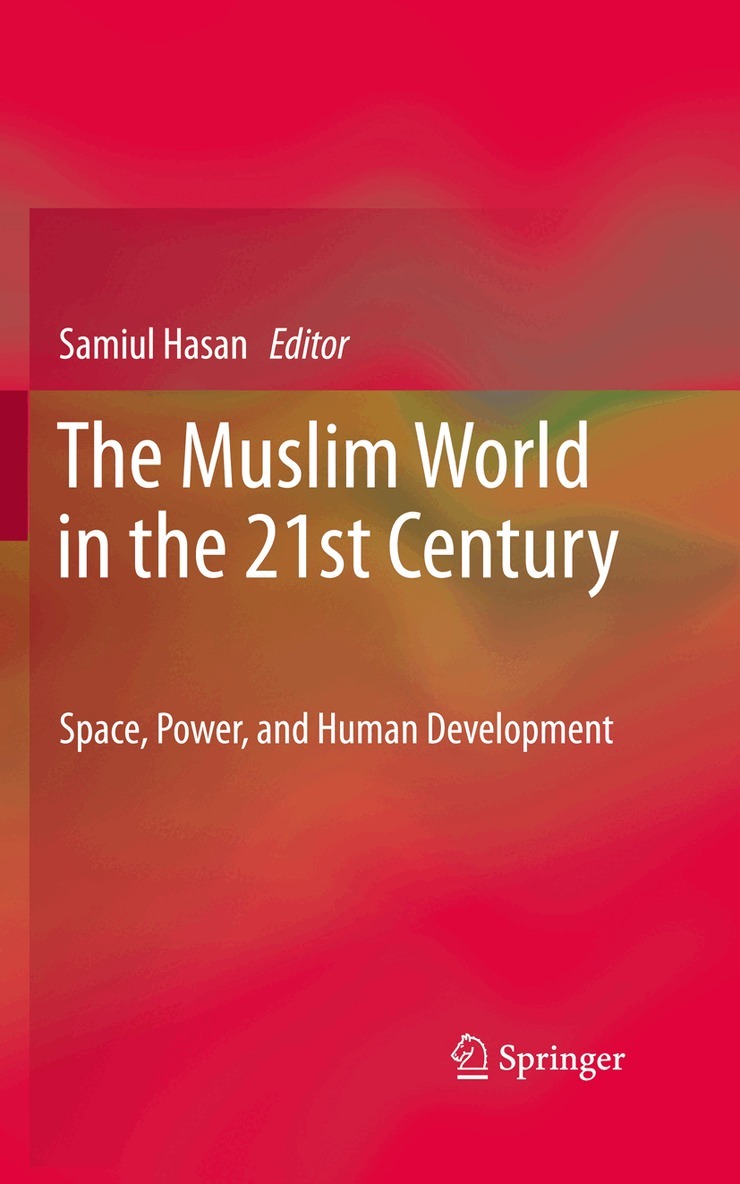
Muslim World in the 21st Century
Space, Power, and Human Development
Av Samiul Hasan
Inbunden, 2012
1098 kr
Lägg i varukorg
Islam is not only a religion, but also a culture, tradition, and civilization. There are currently 1.5 billion people in the world who identify themselves as Muslim. Two thirds of the worldwide Muslim population, i.e. approximately a billion people, live in forty-eight Muslim majority countries …
Muslim World in the 21st Century
Space, Power, and Human Development
Av Samiul Hasan
E-bok, 2012
1459 kr
Lägg i varukorg
Islam is not only a religion, but also a culture, tradition, and civilization. There are currently 1.5 billion people in the world who identify themselves as Muslim. Two thirds of the worldwide Muslim population, i.e. approximately a billion people, live in forty-eight Muslim majority countries …
Muslim World in the 21st Century
Space, Power, and Human Development
Av Samiul Hasan
Häftad, 2014
1098 kr
Lägg i varukorg
Islam is not only a religion, but also a culture, tradition, and civilization. There are currently 1.5 billion people in the world who identify themselves as Muslim. Two thirds of the worldwide Muslim population, i.e. approximately a billion people, live in forty-eight Muslim majority countries …