Samm Deighan - Böcker
Visar alla böcker från författaren Samm Deighan. Handla med fri frakt och snabb leverans.
3 produkter
3 produkter
526 kr
Skickas inom 5-8 vardagar
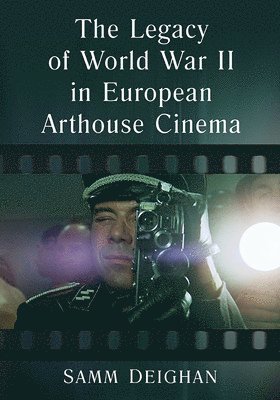
World War II irrevocably shaped culture--and much of cinema--in the 20th century, thanks to its devastating, global impact that changed the way we think about and portray war. This book focuses on European war films made about the war between 1945 and 1985 in countries that were occupied or invaded by the Nazis, such as Poland, France, Italy, the Soviet Union, and Germany itself. Many of these films were banned, censored, or sharply criticized at the time of their release for the radical ways they reframed the war and rejected the mythologizing of war experience as a heroic battle between the forces of good and evil.The particular films examined, made by arthouse directors like Pier Paolo Pasolini, Rainer Werner Fassbinder, and Larisa Shepitko, among many more, deviate from mainstream cinematic depictions of the war and instead present viewpoints and experiences of WWII which are often controversial or transgressive. They explore the often-complicated ways that participation in war and genocide shapes national identity and the ways that we think about bodies and sexuality, trauma, violence, power, justice, and personal responsibility--themes that continue to resonate throughout culture and global politics.
511 kr
Skickas inom 3-6 vardagar
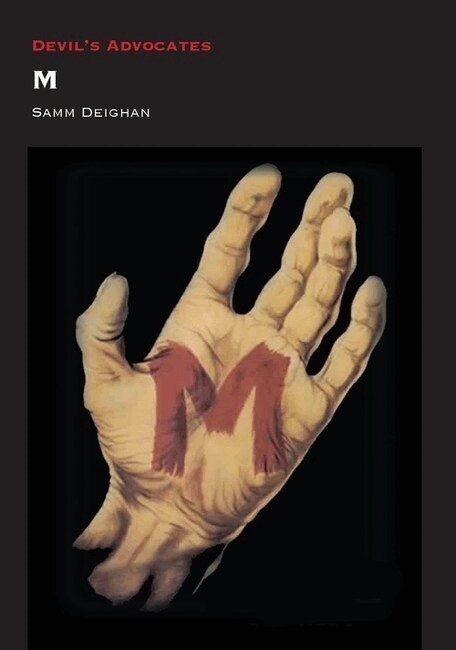
Fritz Lang's first sound feature, M (1931), is one of the earliest serial killer films in cinema history and laid the foundation for future horror movies and thrillers, particularly those with a disturbed killer as protagonist. Peter Lorre's child killer, Hans Beckert, is presented as monstrous, yet sympathetic, building on themes presented in the earlier German Expressionist horror films like The Cabinet of Dr. Caligari and The Hands of Orlac. Lang eerily foreshadowed the rising fascist horrors in German society, and transforms his cinematic Berlin into a place of urban terror and paranoia. Samm Deighan explores the way Lang uses horror and thriller tropes in M, particularly in terms of how it functions as a bridge between German Expressionism and Hollywood's growing fixation on sympathetic killers in the '40s. The book also examines how Lang made use of developments within in forensic science and the criminal justice system to portray a somewhat realistic serial killer on screen for the first time, at once capturing how society in the '30s and '40s viewed such individuals and their crimes and shaping how they would be portrayed on screen in the horror films to come.
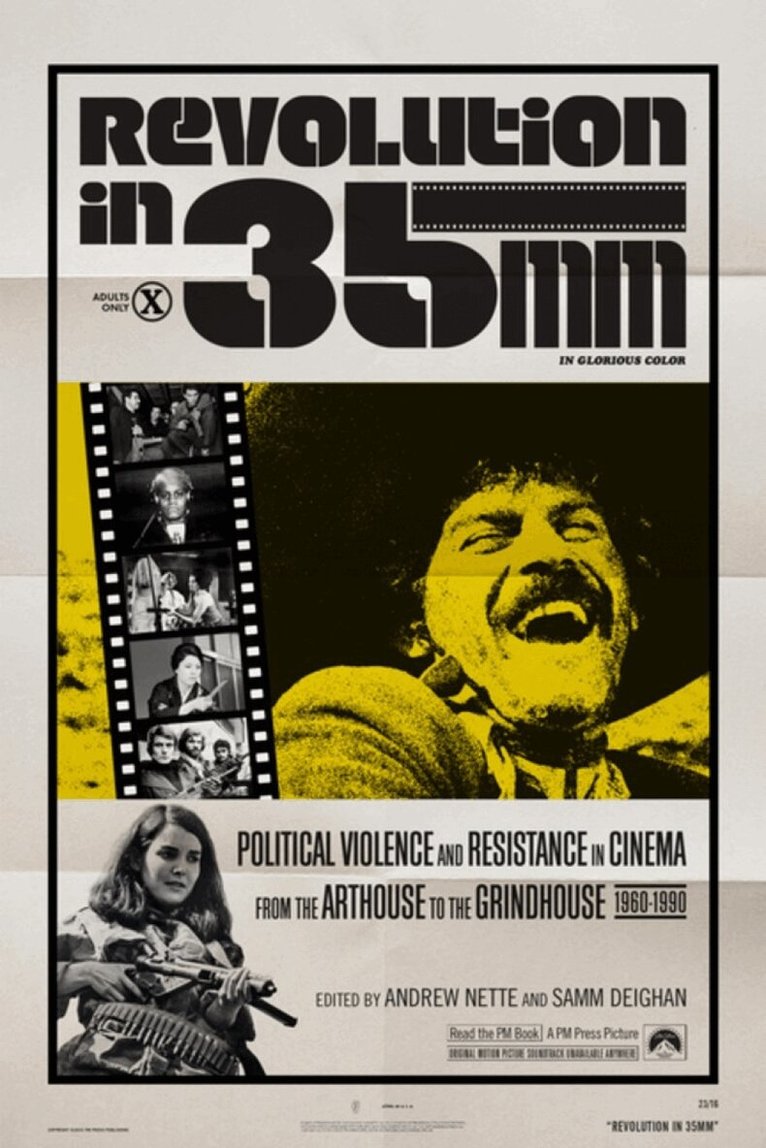
Revolution in 35mm
Political Violence and Resistance in Cinema from the Arthouse to the Grindhouse, 1969-1990
Häftad, Engelska, 2024
317 kr
Skickas