Samuel F. Mansell - Böcker
Visar alla böcker från författaren Samuel F. Mansell. Handla med fri frakt och snabb leverans.
2 produkter
2 produkter
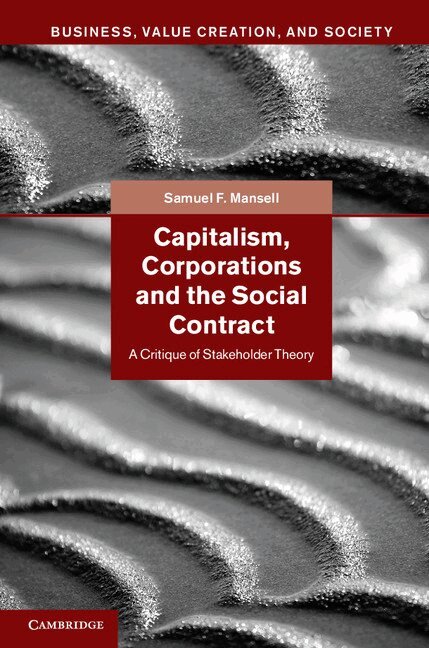
Capitalism, Corporations and the Social Contract
A Critique of Stakeholder Theory
Inbunden, Engelska, 2013
1 417 kr
Skickas inom 7-10 vardagar
In whose interests should a corporation be run? Over the last thirty years the field of 'stakeholder theory' has proposed a distinctive answer: a corporation should be run in the interests of all its primary stakeholders - including employees, customers, suppliers and financiers - without contradicting the ethical principles on which capitalism stands. This book offers a critique of this central claim. It argues that by applying the political concept of a 'social contract' to the corporation, stakeholder theory in fact undermines the principles on which a market economy is based. The argument builds upon an extensive review of the stakeholder literature and an analysis of its philosophical foundations, particularly concerning the social contract tradition of John Rawls and his predecessors. The book concludes by offering a qualified version of Milton Friedman's shareholder theory as a more justifiable account of the purpose of a corporation.
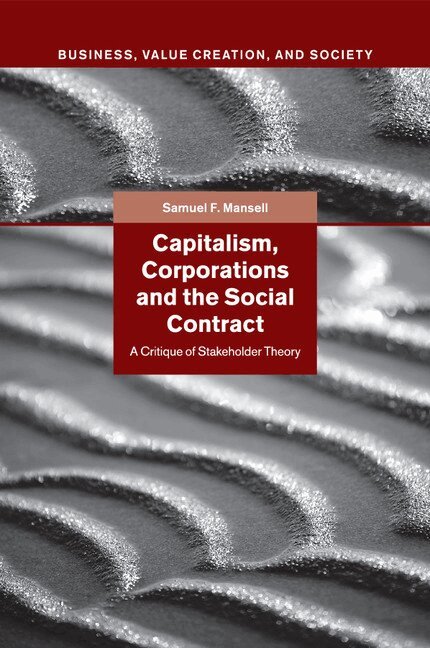
Capitalism, Corporations and the Social Contract
A Critique of Stakeholder Theory
Häftad, Engelska, 2015
482 kr
Skickas inom 7-10 vardagar
In whose interests should a corporation be run? Over the last thirty years the field of 'stakeholder theory' has proposed a distinctive answer: a corporation should be run in the interests of all its primary stakeholders - including employees, customers, suppliers and financiers - without contradicting the ethical principles on which capitalism stands. This book offers a critique of this central claim. It argues that by applying the political concept of a 'social contract' to the corporation, stakeholder theory in fact undermines the principles on which a market economy is based. The argument builds upon an extensive review of the stakeholder literature and an analysis of its philosophical foundations, particularly concerning the social contract tradition of John Rawls and his predecessors. The book concludes by offering a qualified version of Milton Friedman's shareholder theory as a more justifiable account of the purpose of a corporation.