Samuel Gerald Collins - Böcker
Visar alla böcker från författaren Samuel Gerald Collins. Handla med fri frakt och snabb leverans.
8 produkter
8 produkter
2 113 kr
Skickas inom 10-15 vardagar
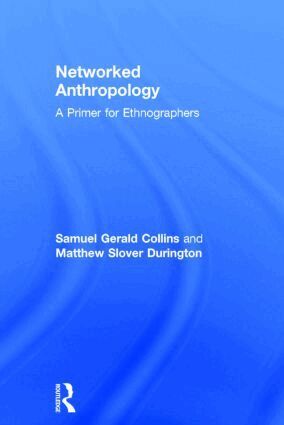
The advent of social media offers anthropologists exciting opportunities to extend their research to communities in fresh ways. At the same time, these technological developments open up anthropological fieldwork to different hazards. Networked Anthropology explores the increasing appropriation of diverse media platforms and social media into anthropological research and teaching. The chapters consider the possibilities and challenges of multimedia, how network ecologies work, the ethical dilemmas involved, and how to use multimedia methodologies. The book combines theoretical insights with case studies, methodological sketches and pedagogical notes. Drawing on recent ethnographic work, the authors provide practical guidance in creative ways of doing networked anthropology. They point to the future of ethnography, both inside and outside the classroom, and consider ways in which networked anthropology might develop.
578 kr
Skickas inom 10-15 vardagar
The advent of social media offers anthropologists exciting opportunities to extend their research to communities in fresh ways. At the same time, these technological developments open up anthropological fieldwork to different hazards. Networked Anthropology explores the increasing appropriation of diverse media platforms and social media into anthropological research and teaching. The chapters consider the possibilities and challenges of multimedia, how network ecologies work, the ethical dilemmas involved, and how to use multimedia methodologies. The book combines theoretical insights with case studies, methodological sketches and pedagogical notes. Drawing on recent ethnographic work, the authors provide practical guidance in creative ways of doing networked anthropology. They point to the future of ethnography, both inside and outside the classroom, and consider ways in which networked anthropology might develop.
Library of Walls
The Library of Congress and the Contradictions of Information Society
Häftad, Engelska, 2009
489 kr
Skickas inom 5-8 vardagar
550 kr
Skickas inom 10-15 vardagar
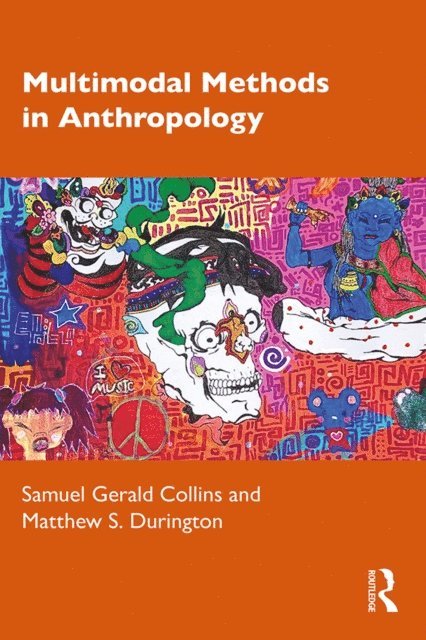
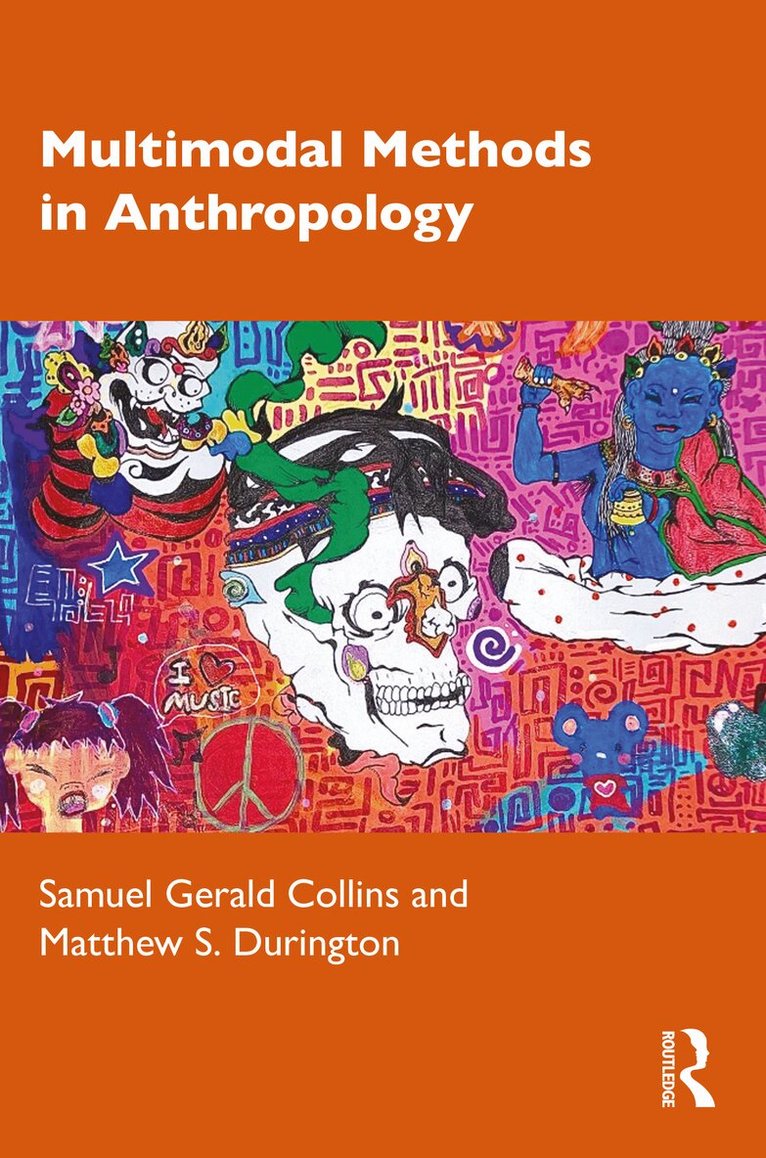
Multimodal Methods in Anthropology develops several goals simultaneously. First, it is an introduction to the ways that multimodality might work for students and practitioners of anthropology, using multiple examples from the authors’ research and from the field. Second, the book carefully examines the ethics of a multimodal project, including the ways in which multimodality challenges and reproduces “digital divides.” Finally, the book is a theoretical introduction that repositions the history of anthropology along axes of multimodality and reframes many of the essential questions in anthropology alongside collaboration and access. Each chapter introduces new methods and techniques, frames the ethical considerations, and contextualizes the method in the work of other anthropologists. Multimodal Methods in Anthropology takes both students and practitioners through historical and contemporary sites of multimodality and introduces the methodological and theoretical challenges of multimodal anthropology in a digital world. Like multimodality itself, readers will come away with new ideas and new perspectives on established ideas, together with the tools to make them part of their practice. It is an ideal text for a variety of methods-based courses in anthropology and qualitative research at both the undergraduate and the graduate level.
2 113 kr
Skickas inom 10-15 vardagar
Multimodal Methods in Anthropology develops several goals simultaneously. First, it is an introduction to the ways that multimodality might work for students and practitioners of anthropology, using multiple examples from the authors’ research and from the field. Second, the book carefully examines the ethics of a multimodal project, including the ways in which multimodality challenges and reproduces “digital divides.” Finally, the book is a theoretical introduction that repositions the history of anthropology along axes of multimodality and reframes many of the essential questions in anthropology alongside collaboration and access. Each chapter introduces new methods and techniques, frames the ethical considerations, and contextualizes the method in the work of other anthropologists. Multimodal Methods in Anthropology takes both students and practitioners through historical and contemporary sites of multimodality and introduces the methodological and theoretical challenges of multimodal anthropology in a digital world. Like multimodality itself, readers will come away with new ideas and new perspectives on established ideas, together with the tools to make them part of their practice. It is an ideal text for a variety of methods-based courses in anthropology and qualitative research at both the undergraduate and the graduate level.
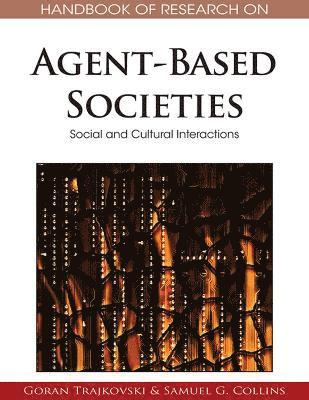
Handbook of Research on Agent-based Societies
Social and Cultural Interactions
Inbunden, Engelska, 2009
3 251 kr
Skickas inom 5-8 vardagar
1 747 kr
Skickas inom 3-6 vardagar
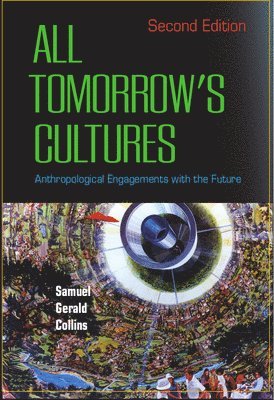
The first edition of All Tomorrow’s Cultures explored the legacy of futures-thinking in anthropology and marked the beginning of a resurgence of interest in anthropological futures. The new edition has been updated to reflect some of the outpouring of work since then, particularly in science and technology studies and in anthropological analyses of indigenous futures. In addition, Collins has updated the final chapter to expand the field of anthropological possibility in an age of both despair and hope.
496 kr
Skickas inom 3-6 vardagar
The first edition of All Tomorrow’s Cultures explored the legacy of futures-thinking in anthropology and marked the beginning of a resurgence of interest in anthropological futures. The new edition has been updated to reflect some of the outpouring of work since then, particularly in science and technology studies and in anthropological analyses of indigenous futures. In addition, Collins has updated the final chapter to expand the field of anthropological possibility in an age of both despair and hope.