Samuel Ginsburg - Böcker
Visar alla böcker från författaren Samuel Ginsburg. Handla med fri frakt och snabb leverans.
2 produkter
2 produkter
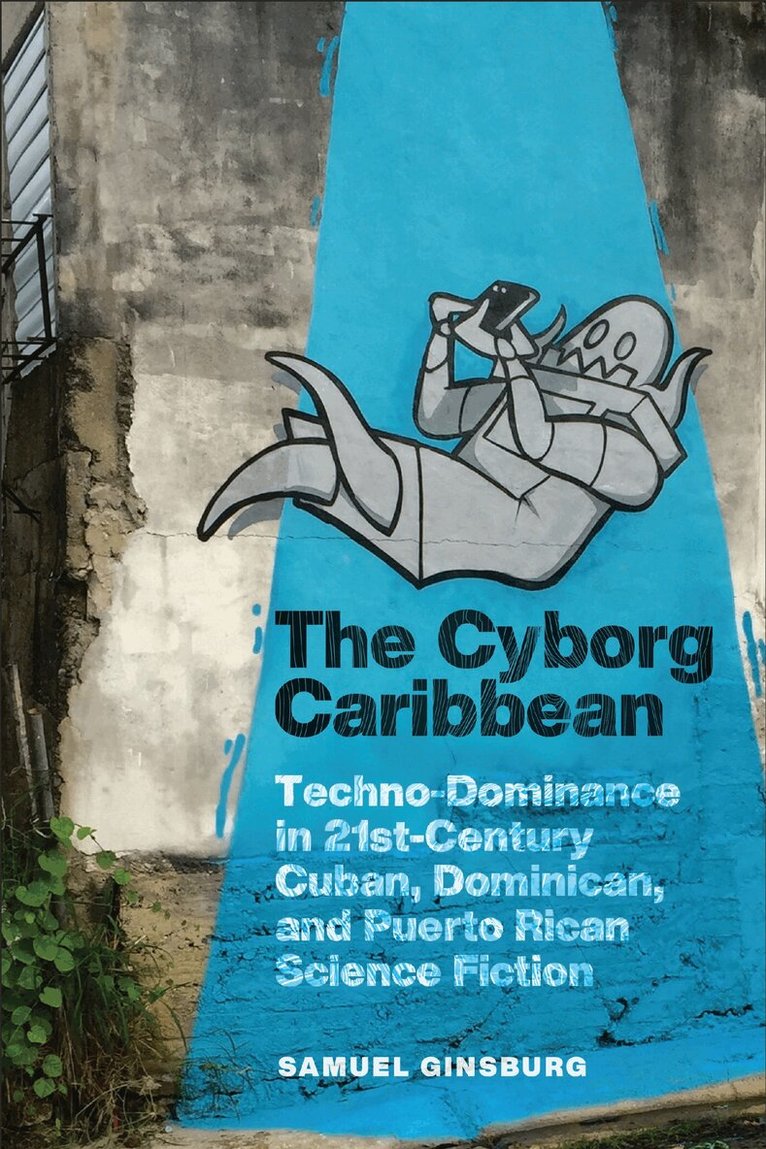
Cyborg Caribbean
Techno-Dominance in Twenty-First-Century Cuban, Dominican, and Puerto Rican Science Fiction
Häftad, Engelska, 2023
384 kr
Skickas inom 7-10 vardagar
The Cyborg Caribbean examines a wide range of twenty-first-century Cuban, Dominican, and Puerto Rican science fiction texts, arguing that authors from Pedro Cabiya, Alexandra Pagan-Velez, and Vagabond Beaumont to Yasmin Silvia Portales, Erick Mota, and Yoss, Haris Durrani, and Rita Indiana Hernandez, among others, negotiate rhetorical legacies of historical techno-colonialism and techno-authoritarianism. The authors span the Hispanic Caribbean and their respective diasporas, reflecting how science fiction as a genre has the ability to manipulate political borders. As both a literary and historical study, the book traces four different technologies-electroconvulsive therapy, nuclear weapons, space exploration, and digital avatars-that have transformed understandings of corporality and humanity in the Caribbean. By recognizing the ways that increased technology may amplify the marginalization of bodies based on race, gender, sexuality, and other factors, the science fiction texts studied in this book challenge oppressive narratives that link technological and sociopolitical progress.
Cyborg Caribbean
Techno-Dominance in Twenty-First-Century Cuban, Dominican, and Puerto Rican Science Fiction
Inbunden, Engelska, 2023
400 kr
Skickas inom 7-10 vardagar
The Cyborg Caribbean examines a wide range of twenty-first-century Cuban, Dominican, and Puerto Rican science fiction texts, arguing that authors from Pedro Cabiya, Alexandra Pagan-Velez, and Vagabond Beaumont to Yasmin Silvia Portales, Erick Mota, and Yoss, Haris Durrani, and Rita Indiana Hernandez, among others, negotiate rhetorical legacies of historical techno-colonialism and techno-authoritarianism. The authors span the Hispanic Caribbean and their respective diasporas, reflecting how science fiction as a genre has the ability to manipulate political borders. As both a literary and historical study, the book traces four different technologies-electroconvulsive therapy, nuclear weapons, space exploration, and digital avatars-that have transformed understandings of corporality and humanity in the Caribbean. By recognizing the ways that increased technology may amplify the marginalization of bodies based on race, gender, sexuality, and other factors, the science fiction texts studied in this book challenge oppressive narratives that link technological and sociopolitical progress.