Samuel S. Gnanamanickam - Böcker
Visar alla böcker från författaren Samuel S. Gnanamanickam. Handla med fri frakt och snabb leverans.
5 produkter
5 produkter
900 kr
Skickas inom 10-15 vardagar
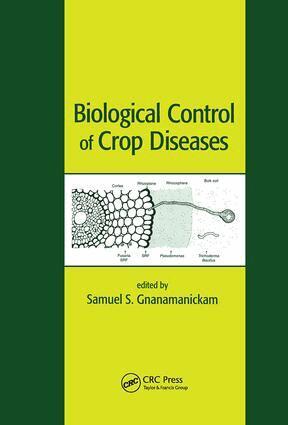
With contributions from more than 30 internationally renowned experts, this book combines coverage of theory with coverage of global practices. Highlighting the day-to-day challenges of organic crop management for cost-effective real-world application, the book explores the biological control of diseases in 12 major crops. It focuses on the use of host plant resistance through transgenics and induced systemic resistance as a part of biological control. Topics covered include the role of biocontrol agents for signalling resistance, effective ecofriendly alternative to combat bacterial, fungal, and viral infestation, and transgenic crops in disease management.
4 125 kr
Skickas inom 10-15 vardagar
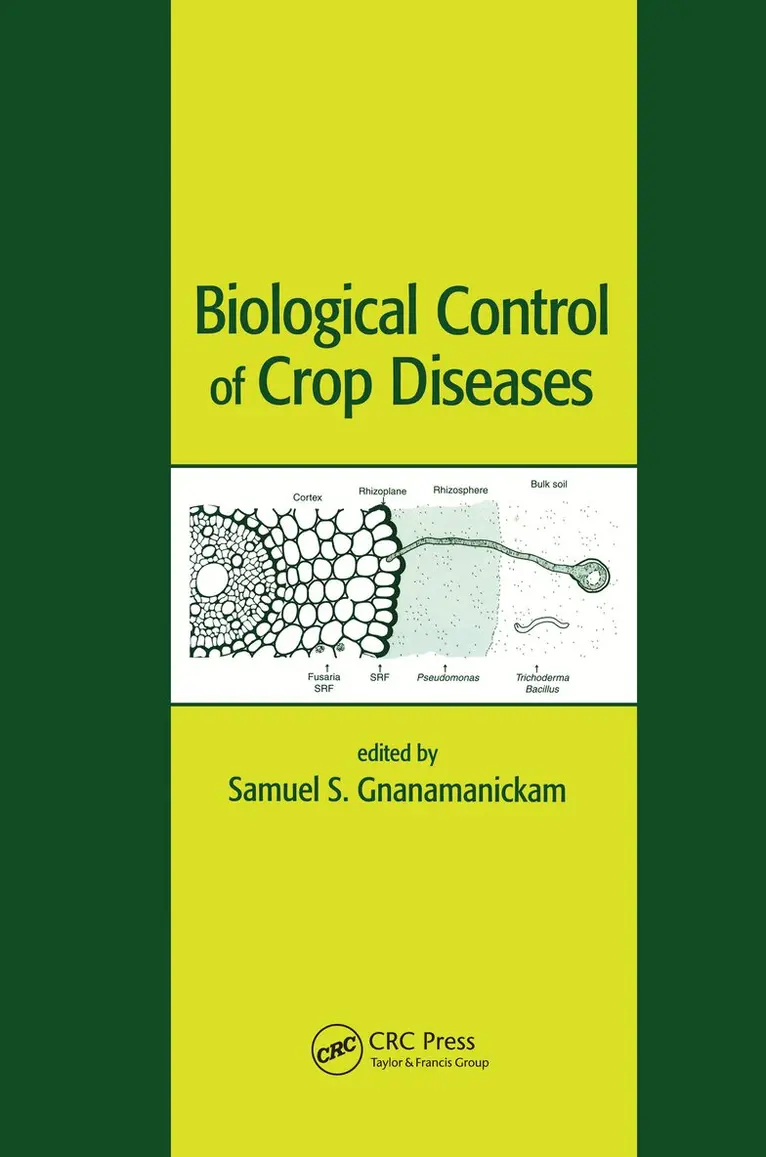
With contributions from more than 30 internationally renowned experts, this book combines coverage of theory with coverage of global practices. Highlighting the day-to-day challenges of organic crop management for cost-effective real-world application, the book explores the biological control of diseases in 12 major crops. It focuses on the use of host plant resistance through transgenics and induced systemic resistance as a part of biological control. Topics covered include the role of biocontrol agents for signalling resistance, effective ecofriendly alternative to combat bacterial, fungal, and viral infestation, and transgenic crops in disease management.
2 115 kr
Skickas inom 10-15 vardagar
The idea of developing a comprehensive volume on PLANT-ASSOCIATED BACTERIA was born in my mind about 5 years back. I decided therefore that the proposed volume on Plant-Associated Bacteria will be a complete volume on plant bacteriology. There are several books on symbiotic and beneficial bacteria. There are also books and volumes on plant pathogenic bacteria. In recent years, the pla- growth promoting rhizobacteria (PGPR) has emerged as an important group which has significant applications to crop production and biological disease control. There is a vital need for a comprehensive volume on all plant-associated bacteria that also includes epiphytic and endophytic bacteria. In my mind, the proposal appeared worthwhile and timely. In the present era of genomics, there has been an enhanced interest in the genomics of the plant-associated bacteria (Example: the Plant-Associated Microbe Genome Initiative, American Phytopathological Society–www.apsnetorg/ media/ ps/top.asp). Traditional methods of identification of bacteria have been replaced by molecular methods for diagnostics and their phylogeny. This volume tries to carefully document both the traditional and recent methods. To achieve this, the contributors have been chosen from among the best experts to provide updated information for a reader who has specific expectations in a volume of this nature.
1 593 kr
Skickas inom 10-15 vardagar
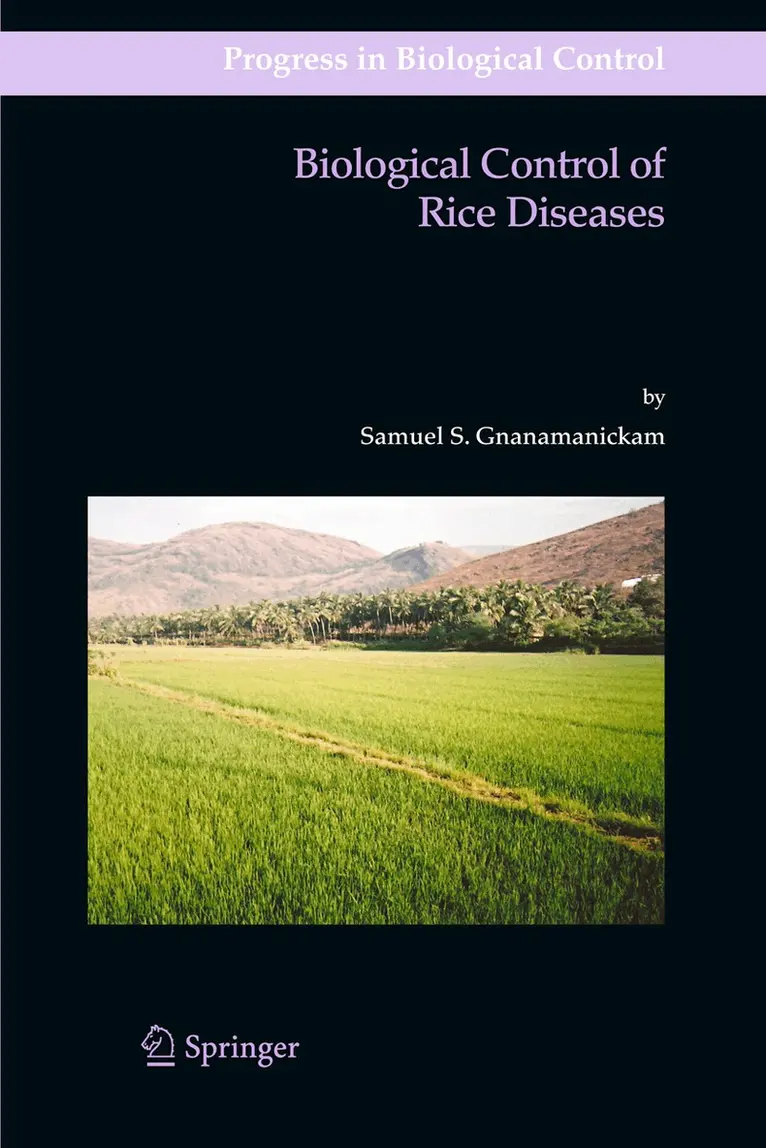
There is suf?cient need to document all the available data on biological control of rice diseases in a small volume. Part of this need rests on the global importance of rice to human life. In the ?rst chapter, I have tried to show that rice is indeed life for most people in Asia and shortages in production and availability can lead to a food crisis. While rice is cultivated in most continents, biological disease management attains special relevance to rice farmers of Africa, Asia, and also perhaps, Latin America. These farmers are resource-poor and might not be able to afford the cost of expensive chemical treatments to control devastating rice pathogens such as Magnaporthe oryzae (blast), Xanthomonas oryzae pv. oryzae (bacterial leaf blight), Rhizoctonia solani (sheath blight) and the virus, rice tungro disease. In an earlier volume that I developed under the title, Biological Control of Crop Diseases (Dekker/CRC Publishers, 2002), I included transgenic crops generated for the management of plant pathogens as biological control under the umbrella of a broad de?nition. Dr Jim Cook who wrote the Foreword for the volume lauded the inclusion of transgenic crops and induced systemic resistance (ISR) as a positive trend toward acceptance of host plant resistance as part of biocontrol. I continue to subscribe to this view.
1 564 kr
Skickas inom 5-8 vardagar
There is suf?cient need to document all the available data on biological control of rice diseases in a small volume. Part of this need rests on the global importance of rice to human life. In the ?rst chapter, I have tried to show that rice is indeed life for most people in Asia and shortages in production and availability can lead to a food crisis. While rice is cultivated in most continents, biological disease management attains special relevance to rice farmers of Africa, Asia, and also perhaps, Latin America. These farmers are resource-poor and might not be able to afford the cost of expensive chemical treatments to control devastating rice pathogens such as Magnaporthe oryzae (blast), Xanthomonas oryzae pv. oryzae (bacterial leaf blight), Rhizoctonia solani (sheath blight) and the virus, rice tungro disease. In an earlier volume that I developed under the title, Biological Control of Crop Diseases (Dekker/CRC Publishers, 2002), I included transgenic crops generated for the management of plant pathogens as biological control under the umbrella of a broad de?nition. Dr Jim Cook who wrote the Foreword for the volume lauded the inclusion of transgenic crops and induced systemic resistance (ISR) as a positive trend toward acceptance of host plant resistance as part of biocontrol. I continue to subscribe to this view.