Samuel Workman - Böcker
Visar alla böcker från författaren Samuel Workman. Handla med fri frakt och snabb leverans.
4 produkter
4 produkter
563 kr
Skickas inom 10-15 vardagar
The increasingly global study of policy processes faces challenges with scholars applying theories in radically different national and cultural contexts. Questions frequently arise about how to conduct policy process research comparatively and among this global community of scholars. Methods of the Policy Process is the first book to remedy this situation, not by establishing an orthodoxy or imposing upon the policy process community a rigid way of conducting research but, instead, by allowing the leading researchers in the different theoretical traditions a space to share the means by which they put their research into action. This edited volume serves as a companion volume and supplemental guide to the well-established Theories of the Policy Process, 4th Edition. Methods of the Policy Process acknowledges that growth and advancement in the study of the policy process is dependent not merely on conceptual and theoretical development, but also on developing and systematizing better methodological approaches to measurement and analysis. To maximize student engagement with the material, each chapter follows a similar framework: introduction of a given theory of the policy process, application of that theory (including best practices for research design, conceptualization, major data sources, data collection, and methodological approaches), critical assessment, future directions, and often online resources (including datasets, survey instruments, and interview and coding protocols). While the structure and focus of each chapter varies slightly according to the theoretical tradition being discussed, each chapter's central aim is to prepare readers to confidently undertake common methodological strategies themselves. Methods of the Policy Process is especially beneficial to people new to the field, including students enrolled in policy process courses, as well as those without access to formal training. For scholars experienced in applying theories, this edited volume is a helpful reference to clarify best practices in research methods.
2 088 kr
Skickas inom 10-15 vardagar
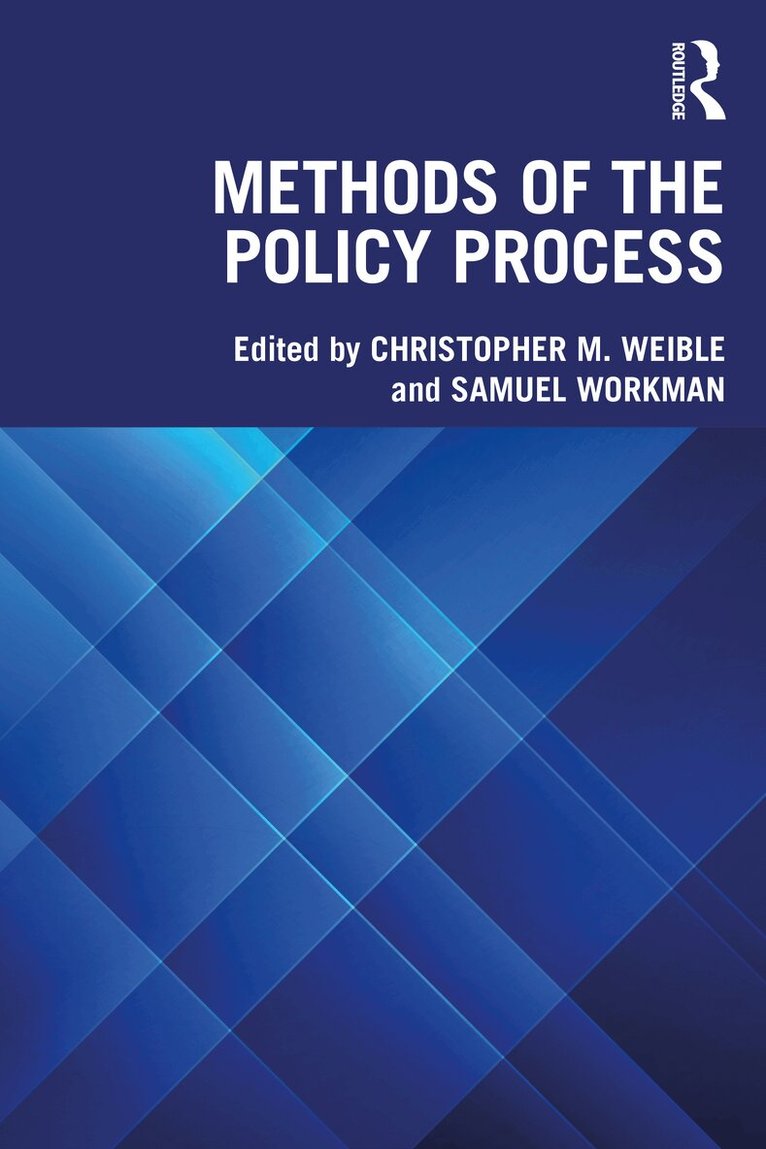
The increasingly global study of policy processes faces challenges with scholars applying theories in radically different national and cultural contexts. Questions frequently arise about how to conduct policy process research comparatively and among this global community of scholars. Methods of the Policy Process is the first book to remedy this situation, not by establishing an orthodoxy or imposing upon the policy process community a rigid way of conducting research but, instead, by allowing the leading researchers in the different theoretical traditions a space to share the means by which they put their research into action. This edited volume serves as a companion volume and supplemental guide to the well-established Theories of the Policy Process, 4th Edition. Methods of the Policy Process acknowledges that growth and advancement in the study of the policy process is dependent not merely on conceptual and theoretical development, but also on developing and systematizing better methodological approaches to measurement and analysis. To maximize student engagement with the material, each chapter follows a similar framework: introduction of a given theory of the policy process, application of that theory (including best practices for research design, conceptualization, major data sources, data collection, and methodological approaches), critical assessment, future directions, and often online resources (including datasets, survey instruments, and interview and coding protocols). While the structure and focus of each chapter varies slightly according to the theoretical tradition being discussed, each chapter's central aim is to prepare readers to confidently undertake common methodological strategies themselves. Methods of the Policy Process is especially beneficial to people new to the field, including students enrolled in policy process courses, as well as those without access to formal training. For scholars experienced in applying theories, this edited volume is a helpful reference to clarify best practices in research methods.
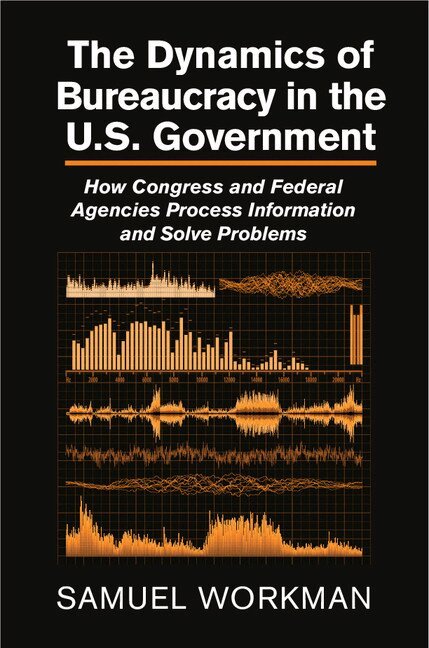
The Dynamics of Bureaucracy in the US Government
How Congress and Federal Agencies Process Information and Solve Problems
Inbunden, Engelska, 2015
1 192 kr
Skickas inom 7-10 vardagar
This book develops a new theoretical perspective on bureaucratic influence and congressional agenda setting based on limited attention and government information processing. Using a comprehensive new data set on regulatory policymaking across the entire federal bureaucracy, Samuel Workman develops the theory of the dual dynamics of congressional agenda setting and bureaucratic problem solving as a way to understand how the US government generates information about, and addresses, important policy problems. Key to the perspective is a communications framework for understanding the nature of information and signaling between the bureaucracy and Congress concerning the nature of policy problems. Workman finds that congressional influence is innate to the process of issue shuffling, issue bundling, and the fostering of bureaucratic competition. In turn, bureaucracy influences the congressional agenda through problem monitoring, problem definition, and providing information that serves as important feedback in the development of an agenda.
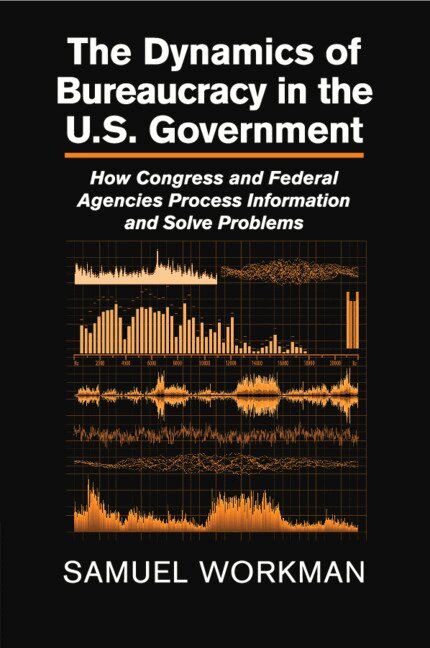
The Dynamics of Bureaucracy in the US Government
How Congress and Federal Agencies Process Information and Solve Problems
Häftad, Engelska, 2019
428 kr
Skickas inom 7-10 vardagar
This book develops a new theoretical perspective on bureaucratic influence and congressional agenda setting based on limited attention and government information processing. Using a comprehensive new data set on regulatory policymaking across the entire federal bureaucracy, Samuel Workman develops the theory of the dual dynamics of congressional agenda setting and bureaucratic problem solving as a way to understand how the US government generates information about, and addresses, important policy problems. Key to the perspective is a communications framework for understanding the nature of information and signaling between the bureaucracy and Congress concerning the nature of policy problems. Workman finds that congressional influence is innate to the process of issue shuffling, issue bundling, and the fostering of bureaucratic competition. In turn, bureaucracy influences the congressional agenda through problem monitoring, problem definition, and providing information that serves as important feedback in the development of an agenda.