Séverine Autesserre - Böcker
Visar alla böcker från författaren Séverine Autesserre. Handla med fri frakt och snabb leverans.
4 produkter
4 produkter
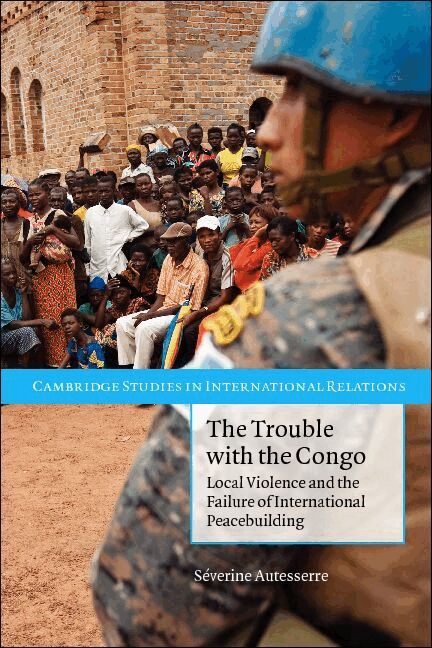
The Trouble with the Congo
Local Violence and the Failure of International Peacebuilding
Häftad, Engelska, 2010
334 kr
Skickas inom 7-10 vardagar
The Trouble with the Congo suggests a new explanation for international peacebuilding failures in civil wars. Drawing from more than 330 interviews and a year and a half of field research, it develops a case study of the international intervention during the Democratic Republic of the Congo's unsuccessful transition from war to peace and democracy (2003-6). Grassroots rivalries over land, resources, and political power motivated widespread violence. However, a dominant peacebuilding culture shaped the intervention strategy in a way that precluded action on local conflicts, ultimately dooming the international efforts to end the deadliest conflict since World War II. Most international actors interpreted continued fighting as the consequence of national and regional tensions alone. UN staff and diplomats viewed intervention at the macro levels as their only legitimate responsibility. The dominant culture constructed local peacebuilding as such an unimportant, unfamiliar, and unmanageable task that neither shocking events nor resistance from select individuals could convince international actors to reevaluate their understanding of violence and intervention.
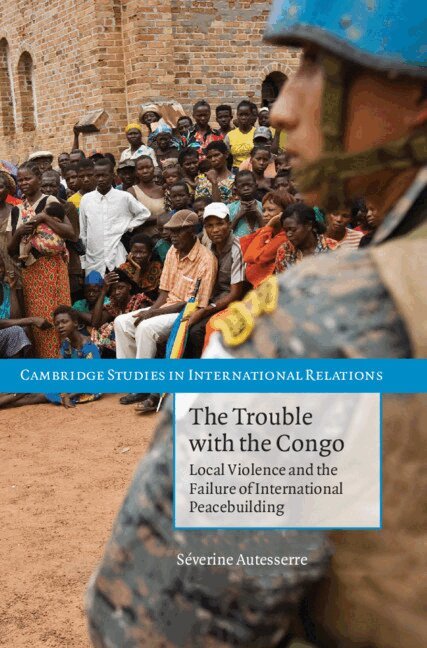
The Trouble with the Congo
Local Violence and the Failure of International Peacebuilding
Inbunden, Engelska, 2010
994 kr
Skickas inom 7-10 vardagar
The Trouble with the Congo suggests a new explanation for international peacebuilding failures in civil wars. Drawing from more than 330 interviews and a year and a half of field research, it develops a case study of the international intervention during the Democratic Republic of the Congo's unsuccessful transition from war to peace and democracy (2003-6). Grassroots rivalries over land, resources, and political power motivated widespread violence. However, a dominant peacebuilding culture shaped the intervention strategy in a way that precluded action on local conflicts, ultimately dooming the international efforts to end the deadliest conflict since World War II. Most international actors interpreted continued fighting as the consequence of national and regional tensions alone. UN staff and diplomats viewed intervention at the macro levels as their only legitimate responsibility. The dominant culture constructed local peacebuilding as such an unimportant, unfamiliar, and unmanageable task that neither shocking events nor resistance from select individuals could convince international actors to reevaluate their understanding of violence and intervention.
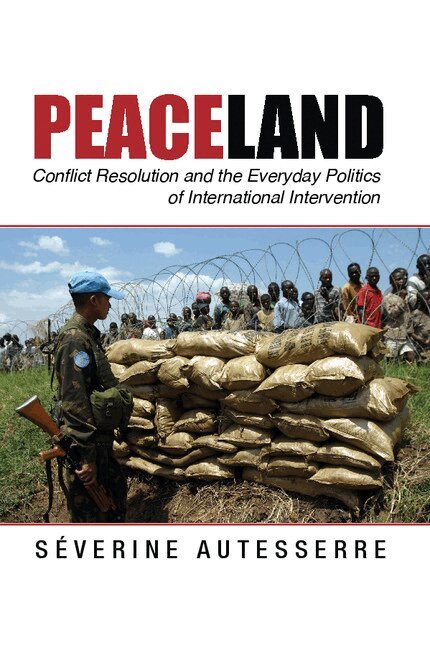
Peaceland
Conflict Resolution and the Everyday Politics of International Intervention
Inbunden, Engelska, 2014
1 126 kr
Skickas inom 7-10 vardagar
This book suggests a new explanation for why international peace interventions often fail to reach their full potential. Based on several years of ethnographic research in conflict zones around the world, it demonstrates that everyday elements - such as the expatriates' social habits and usual approaches to understanding their areas of operation - strongly influence peacebuilding effectiveness. Individuals from all over the world and all walks of life share numerous practices, habits, and narratives when they serve as interveners in conflict zones. These common attitudes and actions enable foreign peacebuilders to function in the field, but they also result in unintended consequences that thwart international efforts. Certain expatriates follow alternative modes of thinking and acting, often with notable results, but they remain in the minority. Through an in-depth analysis of the interveners' everyday life and work, this book proposes innovative ways to better help host populations build a sustainable peace.
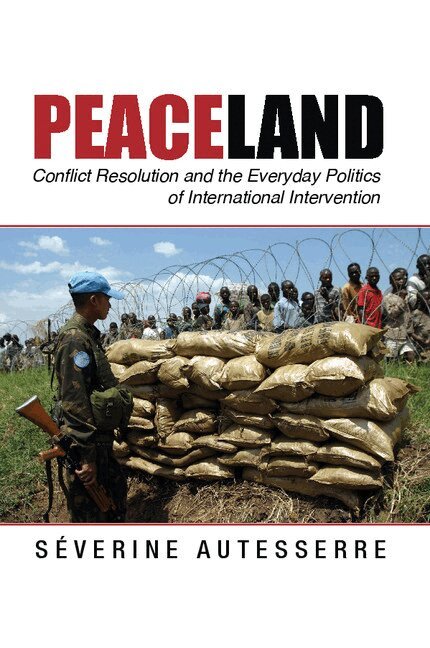
Peaceland
Conflict Resolution and the Everyday Politics of International Intervention
Häftad, Engelska, 2014
360 kr
Skickas inom 7-10 vardagar
This book suggests a new explanation for why international peace interventions often fail to reach their full potential. Based on several years of ethnographic research in conflict zones around the world, it demonstrates that everyday elements - such as the expatriates' social habits and usual approaches to understanding their areas of operation - strongly influence peacebuilding effectiveness. Individuals from all over the world and all walks of life share numerous practices, habits, and narratives when they serve as interveners in conflict zones. These common attitudes and actions enable foreign peacebuilders to function in the field, but they also result in unintended consequences that thwart international efforts. Certain expatriates follow alternative modes of thinking and acting, often with notable results, but they remain in the minority. Through an in-depth analysis of the interveners' everyday life and work, this book proposes innovative ways to better help host populations build a sustainable peace.