Sandor Csoori – författare
Visar alla böcker från författaren Sandor Csoori. Handla med fri frakt och snabb leverans.
2 produkter
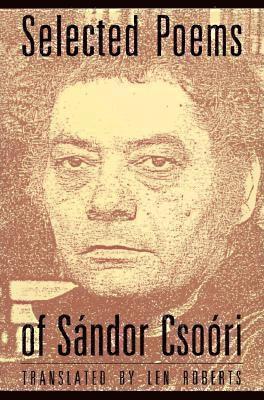
Selected Poems of Sandor Csoori
Häftad, 1992
191 kr
Lägg i varukorg
The first major U.S. publication of one of Hungary's best and most popular writers, winner of several poetry awards in Europe and the Grand Prize at the Cannes Film Festival for his script Ten Thousand Days.
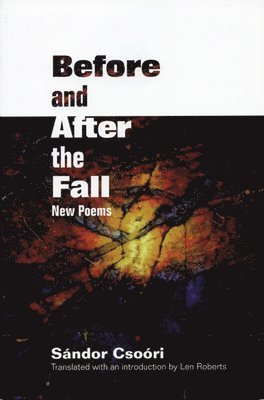
Before and After the Fall
New Poems
Häftad, 2004
164 kr
Lägg i varukorg
These poems, written between 1985 and 1994, record what Sandor Csoori has called "the chronic memory of violence," namely the horrors of World War II and the repressions of the ensuing forty-five year Communist occupation. Several of the poems written after 1989, the year Communism collapsed in …