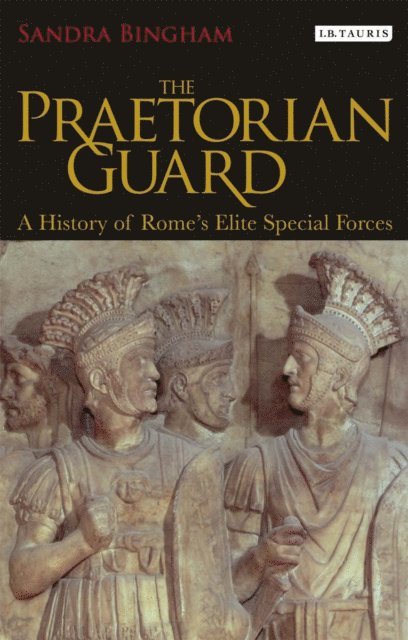
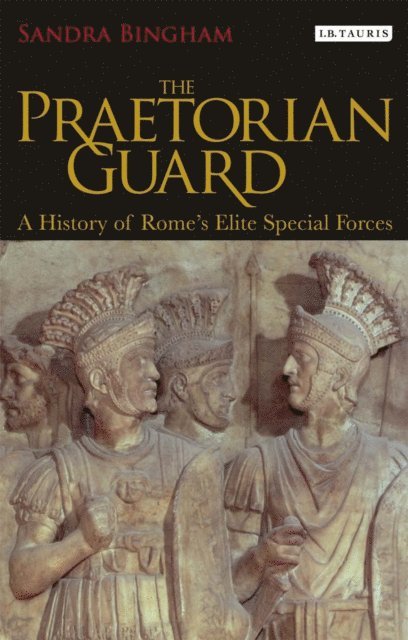
Conceived as a personal army for the emperor, the elite Praetorian Guard soon took over a wide range of powers in Rome, and thus from the very beginning made a much greater impact on the city's life than just as an imperial bodyguard. The Praetorians were in fact inseparable from the whole machinery of state, in some cases even making or breaking individual emperors. Sandra Bingham here offers a timely history of the Guard from its foundation by Augustus in 27 BCE to its disbandment by Constantine in CE 312. Topics covered include arms and insignia; the size, recruitment and command structure of the Guard; duration of service; the duties of individual soldiers and officers; and their families, daily lives and religion.
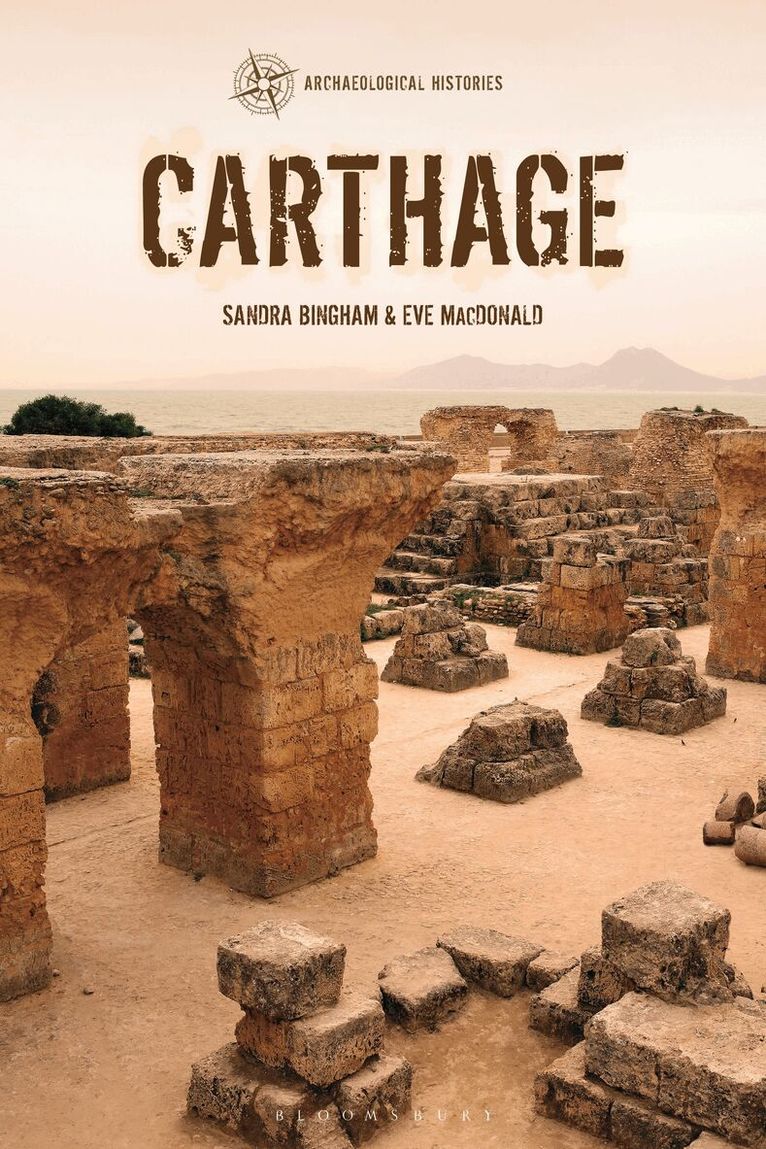
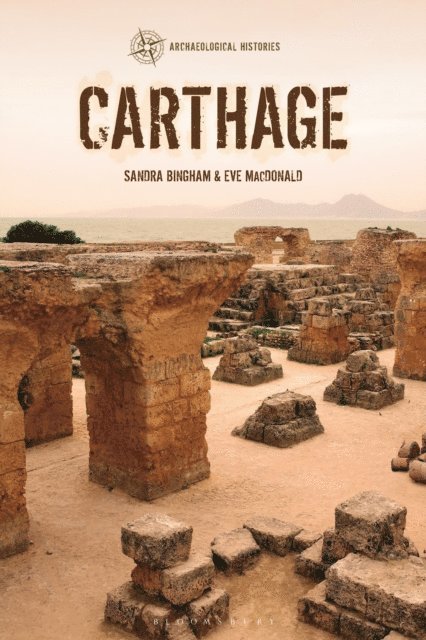
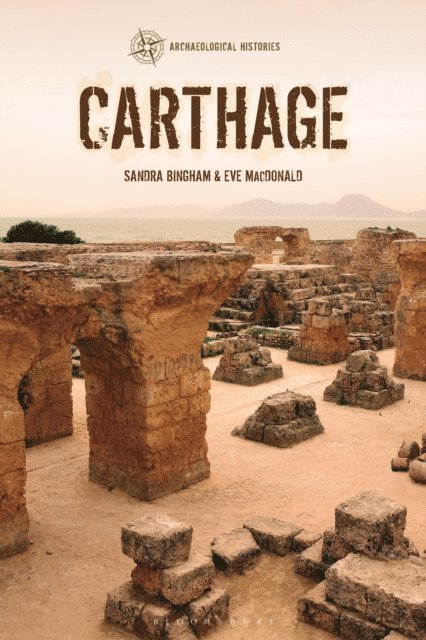
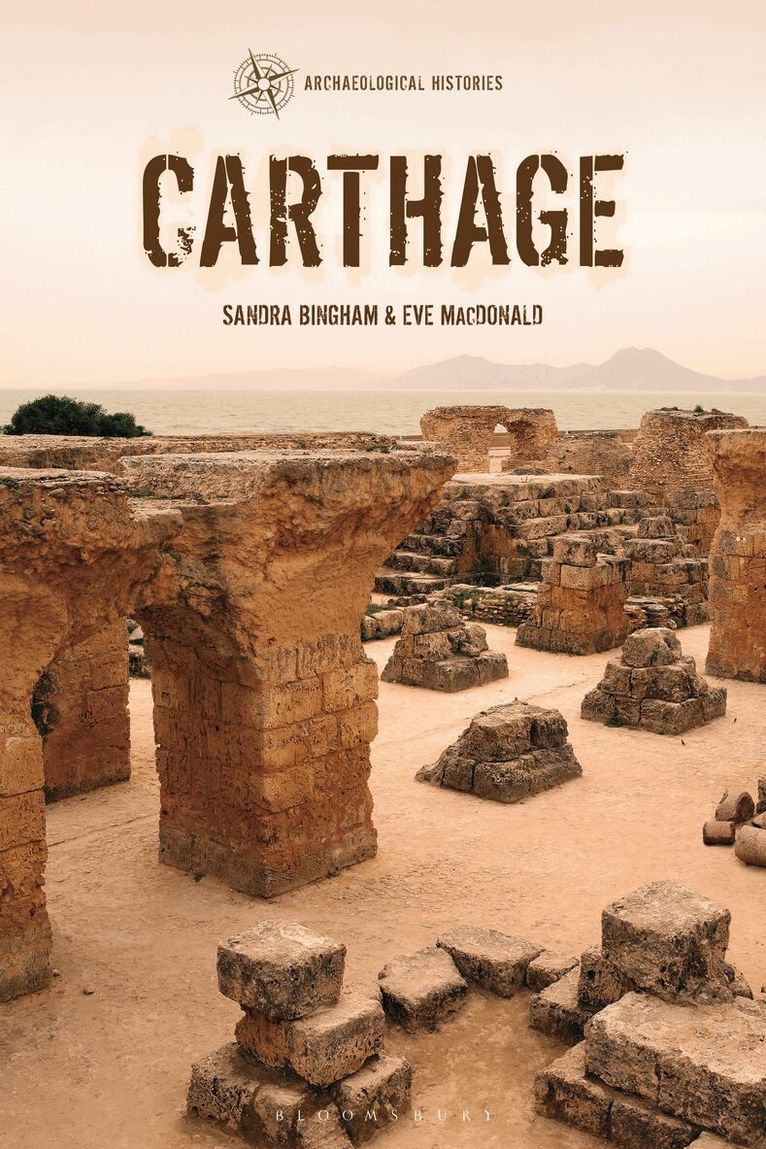
This book traces the formation of the archaeological site of Carthage and how it re-emerged in the minds of European antiquarians and travellers in the early modern world. For almost 1,600 years the ancient city sat on the north coast of Africa, dominating the central Mediterranean until its fall in 698 CE. One of the oldest cities in the Mediterranean, it was founded in legend by the Tyrian queen Dido and destroyed after epic wars with Rome. It was soon reborn as a Roman city, and late in antiquity evolved into a centre for Christian worship. In the 17th and 18th centuries, when European explorers first arrived, searching for the site of Carthage, they were amazed that almost nothing of its former glory remained and lamented its loss. The gradual and sometimes controversial exploration of Carthage has, over the last two centuries, brought the story of this renowned ancient city back into the public imagination. From the first discovery of Punic artifacts to the plunder of the site for the enrichment of European museums, the book follows the many personalities whose interests and diligence led to the establishment of scientific archaeological excavations and the re-emergence of Carthage from the ruins.
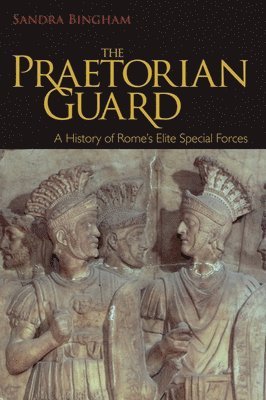
No other special force in history has a mystique equal to that of ancient Rome's thoroughbred protection and counter-insurgency squadron--the renowned Praetorian Guard. Originally conceived as a personal army for the emperor, the Guard assumed a much greater role than simple bodyguard, taking over a wide range of powers in the city and operating for more than 300 years. Inseparable from the machinery of the Roman state, the Praetorians had the power to make or break individual emperors. In The Praetorian Guard , Sandra Bingham offers a comprehensive and timely history of this elite military unit, from its foundation by Augustus in 27 BCE to its disbandment by Constantine in 312 CE. Exploring the multifaceted nature of the Guard, she discusses and describes its arms and insignia, size and recruitment tactics, and command structure and individual duties, as well as Guard members' family and religious lives. Bingham provides readers with a unique view of how others in antiquity portrayed these special forces and includes detailed illustrations, maps, and plans to paint a clear picture of this politically mighty military institution.
Conceived as a personal army for the emperor, the elite Praetorian Guard soon took over a wide range of powers in Rome, and thus from the very beginning made a much greater impact on the city's life than just as an imperial bodyguard. The Praetorians were in fact inseparable from the whole machinery of state, in some cases even making or breaking individual emperors. Sandra Bingham here offers a timely history of the Guard from its foundation by Augustus in 27 BCE to its disbandment by Constantine in CE 312. Topics covered include arms and insignia; the size, recruitment and command structure of the Guard; duration of service; the duties of individual soldiers and officers; and their families, daily lives and religion.