Sandra Smidt – författare
2 097 kr
Skickas inom 10-15 vardagar
330 kr
Skickas inom 10-15 vardagar
479 kr
Skickas inom 10-15 vardagar
897 kr
Skickas inom 10-15 vardagar
384 kr
Skickas inom 10-15 vardagar
479 kr
Skickas inom 10-15 vardagar
425 kr
Skickas inom 10-15 vardagar
1 895 kr
Skickas inom 10-15 vardagar
3 458 kr
Skickas inom 10-15 vardagar
2 097 kr
Skickas inom 10-15 vardagar
425 kr
Skickas inom 10-15 vardagar
2 097 kr
Skickas inom 10-15 vardagar
546 kr
Skickas inom 10-15 vardagar
2 097 kr
Skickas inom 10-15 vardagar
479 kr
Skickas inom 10-15 vardagar
2 502 kr
Skickas inom 10-15 vardagar
479 kr
Skickas inom 10-15 vardagar
2 097 kr
Skickas inom 10-15 vardagar
654 kr
Skickas inom 10-15 vardagar
1 962 kr
Skickas inom 10-15 vardagar
681 kr
Skickas inom 10-15 vardagar
379 kr
Läs direkt efter köp
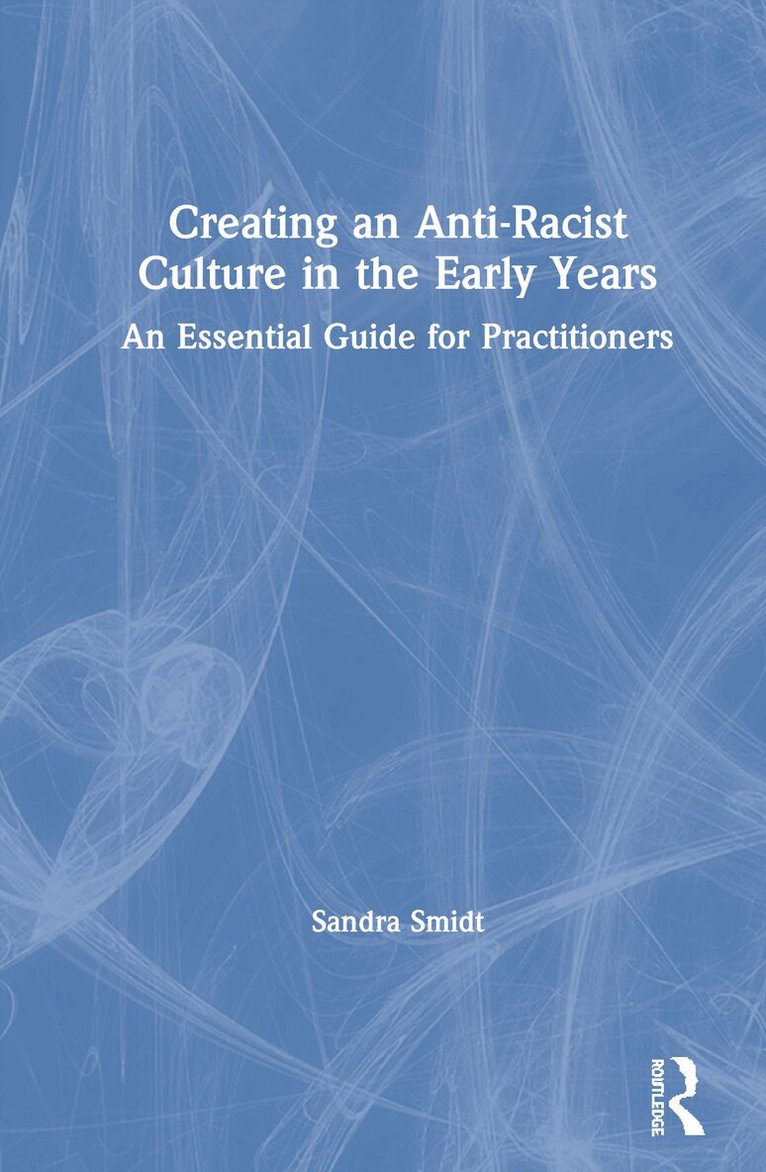
At a time of growing evidence of racism across many countries and cultures, Creating an Anti-Racist Culture in the Early Years will help those working with young children recognise racism, name it for what it is and help their young pupils understand that difference is nothing to be feared.
Drawing on both personal research and established theory, Smidt includes examples of anti-racist practice from real life and in literature, looks at how racism is acquired and cites examples of people who have spoken or acted against racism through the centuries.
She emphasises how and why it is essential to develop multicultural education into anti-racist education and why it’s so important to go beyond the mere celebration of differences in cultures. This indispensable resource also addresses:
What racism is and why it is so corrosive
How to recognise and challenge it in an early years setting
How to work with parents and carers to help them reassess their prejudices or unconscious bias
How to create an anti-racist curriculum and culture through inclusion, multiculturalism, literature, art and drama.
Creating an Anti-Racist Culture in the Early Years is an indispensable resource for all early years practitioners and students of early childhood education who believe in creating more equitable opportunities for all of our young children.
379 kr
Läs direkt efter köp
At a time of growing evidence of racism across many countries and cultures, Creating an Anti-Racist Culture in the Early Years will help those working with young children recognise racism, name it for what it is and help their young pupils understand that difference is nothing to be feared.
Drawing on both personal research and established theory, Smidt includes examples of anti-racist practice from real life and in literature, looks at how racism is acquired and cites examples of people who have spoken or acted against racism through the centuries.
She emphasises how and why it is essential to develop multicultural education into anti-racist education and why it’s so important to go beyond the mere celebration of differences in cultures. This indispensable resource also addresses:
What racism is and why it is so corrosive
How to recognise and challenge it in an early years setting
How to work with parents and carers to help them reassess their prejudices or unconscious bias
How to create an anti-racist curriculum and culture through inclusion, multiculturalism, literature, art and drama.
Creating an Anti-Racist Culture in the Early Years is an indispensable resource for all early years practitioners and students of early childhood education who believe in creating more equitable opportunities for all of our young children.
442 kr
Läs direkt efter köp
Shortlisted for the Nasen Book that supports SEN and Disability Issues Award 2008
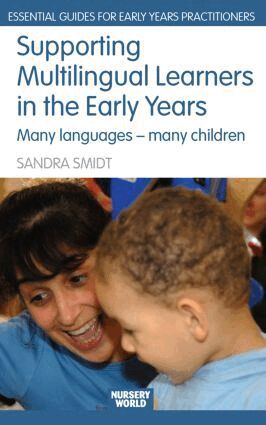
Are children who are exposed to more than one language from birth at an advantage or a disadvantage when starting school?
Supporting Multilingual Learners in the Early Years examines the theoretical, ideological and practical issues involved in the education of children speaking two or more languages coming to settings which are predominantly monolingual. The book examines current research and thinking about the advantages and disadvantages of being multilingual and tackles complex topics such as:
what being multilingual implies in terms of prior learning and why this matters in education the importance of respect for diversity and encouraging children to be proud of their language and culture practical ways to help young children acquire English ways of working with parents who themselves have little or no English the differences and difficulties involved in a child learning an additional language so early on in their lives strategies for exploring the learning of multilingual learners and a review of the resources and activities that could help.
Sandra Smidt views multilingualism as a cognitive advantage and shows how Early Years practitioners can use interactive styles of learning to focus on the benefit that the many cultures and languages in the classroom can bring to children’s learning and development.
Written in a highly accessible tone, this book offers practitioners a mix of practical case studies and examples in which theory is embedded and its importance explained. Students of early childhood education will also appreciate the author''s carefully structured approach to the topic, as she includes summary boxes, glossaries and points for reflection in each chapter.
442 kr
Läs direkt efter köp
Shortlisted for the Nasen Book that supports SEN and Disability Issues Award 2008
Are children who are exposed to more than one language from birth at an advantage or a disadvantage when starting school?
Supporting Multilingual Learners in the Early Years examines the theoretical, ideological and practical issues involved in the education of children speaking two or more languages coming to settings which are predominantly monolingual. The book examines current research and thinking about the advantages and disadvantages of being multilingual and tackles complex topics such as:
what being multilingual implies in terms of prior learning and why this matters in education the importance of respect for diversity and encouraging children to be proud of their language and culture practical ways to help young children acquire English ways of working with parents who themselves have little or no English the differences and difficulties involved in a child learning an additional language so early on in their lives strategies for exploring the learning of multilingual learners and a review of the resources and activities that could help.
Sandra Smidt views multilingualism as a cognitive advantage and shows how Early Years practitioners can use interactive styles of learning to focus on the benefit that the many cultures and languages in the classroom can bring to children’s learning and development.
Written in a highly accessible tone, this book offers practitioners a mix of practical case studies and examples in which theory is embedded and its importance explained. Students of early childhood education will also appreciate the author''s carefully structured approach to the topic, as she includes summary boxes, glossaries and points for reflection in each chapter.
552 kr
Läs direkt efter köp
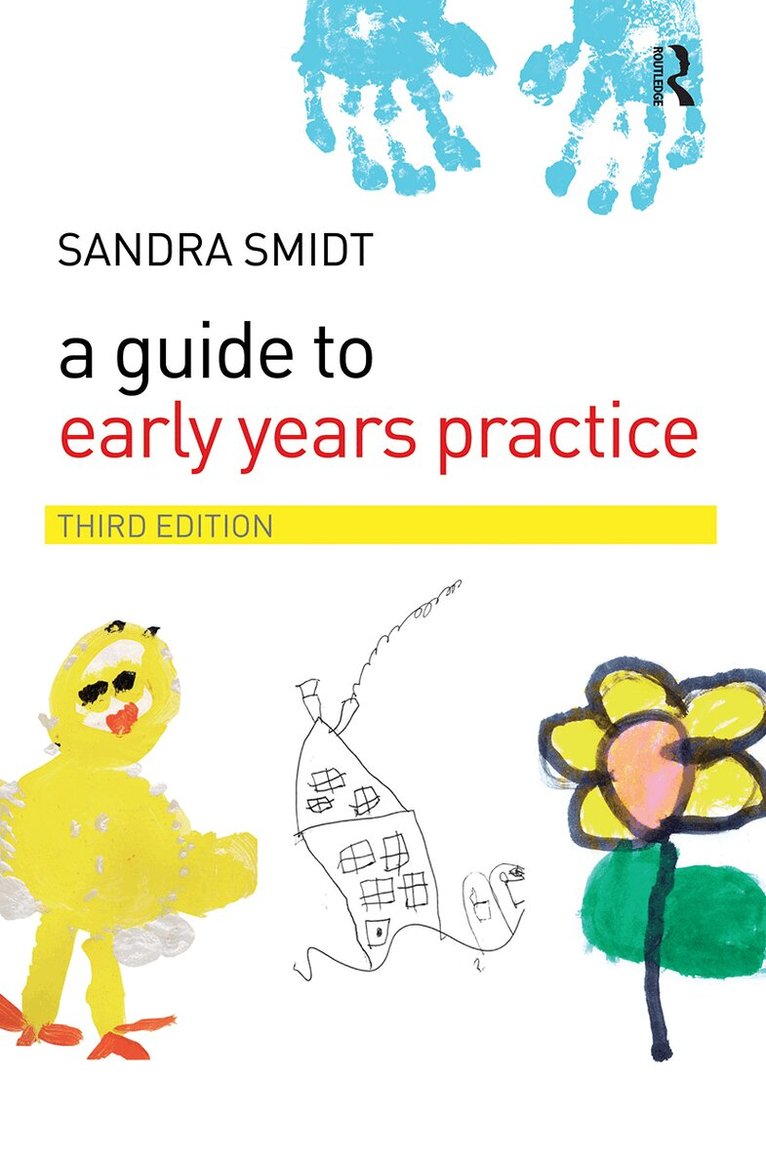
This is a practical, accessible guide to early years practice. The author examines current theories about how children learn best and focuses on how we can support and extend the learning of young children. This fully revised edition discusses Birth to Three Matters, the new Childcare Bill and the development of children''s centres, and has additional focus on the Foundation Stage Profile
Packed full with case studies, the book offers:
practical advice on how to successfully involve parents as equal partners in the education of their children guidance to ensure that the activities and support offered to young children will promote learning across a broad and balanced Early Years curriculum a focus on special needs, multiculturalism and multilingualism, play and culture, and the importance of interactions with adults and with peers.Essential reading for students on Early Years courses, this book is also invaluable for practitioners, who can use this text as the starting point for developing their own methods within the frameworks of statutory documents relating to Early Years education.
557 kr
Läs direkt efter köp
This is a practical, accessible guide to early years practice. The author examines current theories about how children learn best and focuses on how we can support and extend the learning of young children. This fully revised edition discusses Birth to Three Matters, the new Childcare Bill and the development of children''s centres, and has additional focus on the Foundation Stage Profile
Packed full with case studies, the book offers:
practical advice on how to successfully involve parents as equal partners in the education of their children guidance to ensure that the activities and support offered to young children will promote learning across a broad and balanced Early Years curriculum a focus on special needs, multiculturalism and multilingualism, play and culture, and the importance of interactions with adults and with peers.Essential reading for students on Early Years courses, this book is also invaluable for practitioners, who can use this text as the starting point for developing their own methods within the frameworks of statutory documents relating to Early Years education.
489 kr
Läs direkt efter köp
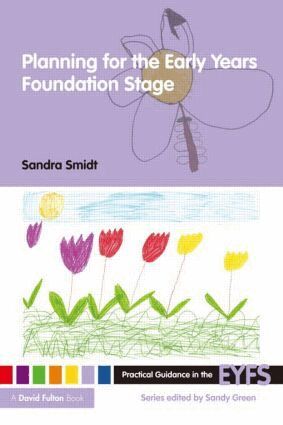
The Practical Guidance in the Early Years Foundation Stage series will assist practitioners in the smooth and successful implementation of the Early Years Foundation Stage.
Each book gives clear and detailed explanations of each aspect of Learning and Development and encourages readers to consider each area within its broadest context to expand and develop their own knowledge and good practice.
Practical ideas and activities for all age groups are offered along with a wealth of expertise of how elements from the practice guidance can be implemented within all early years settings. The books include suggestions for the innovative use of everyday ressources, popular books and stories.
Planning for the Early Years Foundation Stage complements the six Learning area books in this series by explaining the basis of clear planning and how it links to careful observation and assessment. Useful examples are provided throughout, Planning across the Early Years Foundation Stage will raise awareness of what is needed within early years settings, explain the who, when and whys of observation, assessment and planning, and making useful links to each of the other books in the series.
489 kr
Läs direkt efter köp
The Practical Guidance in the Early Years Foundation Stage series will assist practitioners in the smooth and successful implementation of the Early Years Foundation Stage.
Each book gives clear and detailed explanations of each aspect of Learning and Development and encourages readers to consider each area within its broadest context to expand and develop their own knowledge and good practice.
Practical ideas and activities for all age groups are offered along with a wealth of expertise of how elements from the practice guidance can be implemented within all early years settings. The books include suggestions for the innovative use of everyday ressources, popular books and stories.
Planning for the Early Years Foundation Stage complements the six Learning area books in this series by explaining the basis of clear planning and how it links to careful observation and assessment. Useful examples are provided throughout, Planning across the Early Years Foundation Stage will raise awareness of what is needed within early years settings, explain the who, when and whys of observation, assessment and planning, and making useful links to each of the other books in the series.
757 kr
Läs direkt efter köp
Offering a sociocultural approach to education and learning, this fascinating exploration of childhood provides an in-depth understanding of how children make sense of the world and the people in it. Examining the ways in which children express their thoughts, feelings and actively generate meaning through experience and interaction, this fully revised and updated new edition is illustrated throughout by extensive case studies and covers a diverse range of topics, including:
socio-historical and global child development over time and place; the child as meaning-maker and active learner; learning in the context of family, culture, group, society; representing and re-representing the world; understanding roles, identity, race and gender; making sense of science and technology; the implications of neuroscience.Taking a clearly articulated and engaging perspective, Sandra Smidt draws upon multiple sources and ideas to illustrate many of the facets of the developing child in a contemporary context. She depicts children as symbol users, role-players, investigators and creative thinkers, and follows children''s progress in forming their understanding of their environment, asking questions about it, and expressing it through music, dance, art and constructive play. Highly accessible, and with points for reflection concluding each chapter, The Developing Child is essential reading for teachers, lecturers and students taking courses in early childhood, psychology or sociology.