Sandya Hewamanne – författare
Visar alla böcker från författaren Sandya Hewamanne. Handla med fri frakt och snabb leverans.
11 produkter
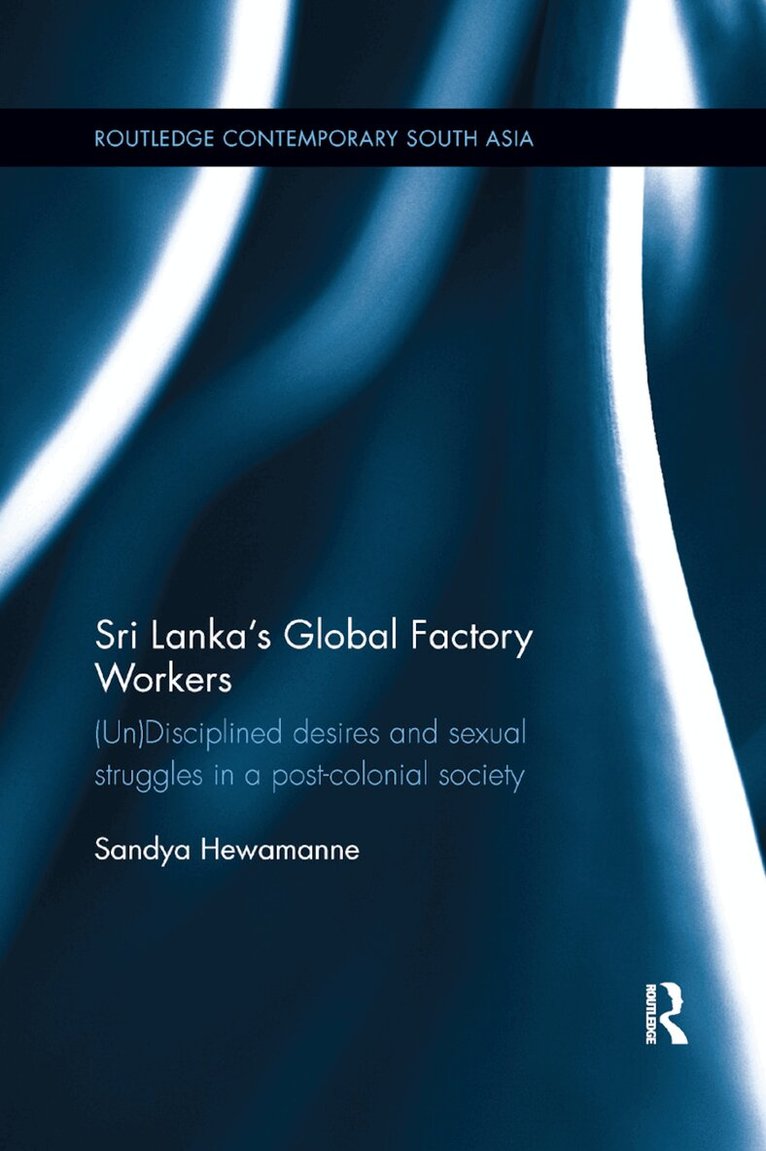
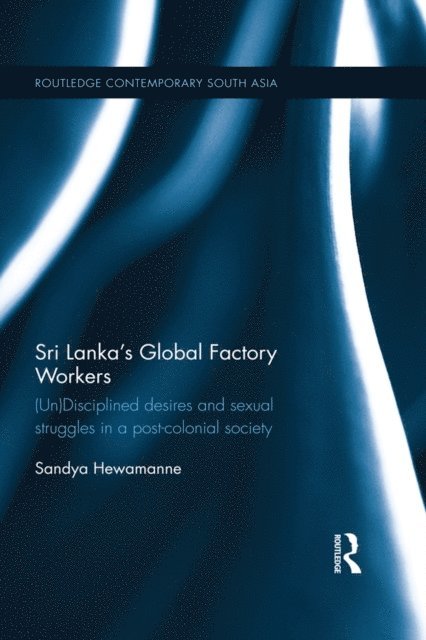
Sri Lanka's Global Factory Workers
(Un) Disciplined Desires and Sexual Struggles in a Post-Colonial Society
Häftad, 2019
458 kr
Lägg i varukorg
In Sri Lanka, the Free Trade Zone (FTZ) employs thousands of unmarried rural women, and their migration has aroused deep anxieties over female morality and ideal conduct. This book focuses on the global factory workers based in the FTZ, and analyzes intersections of gender, class and sexuality by …
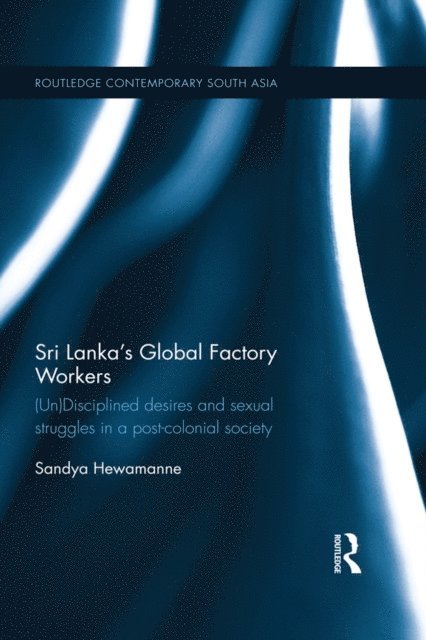
Sri Lanka's Global Factory Workers
(Un) Disciplined Desires and Sexual Struggles in a Post-Colonial Society
Inbunden, 2016
1521 kr
Lägg i varukorg
In Sri Lanka, the Free Trade Zone (FTZ) employs thousands of unmarried rural women, and their migration has aroused deep anxieties over female morality and ideal conduct. This book focuses on the global factory workers based in the FTZ, and analyzes intersections of gender, class and sexuality by …
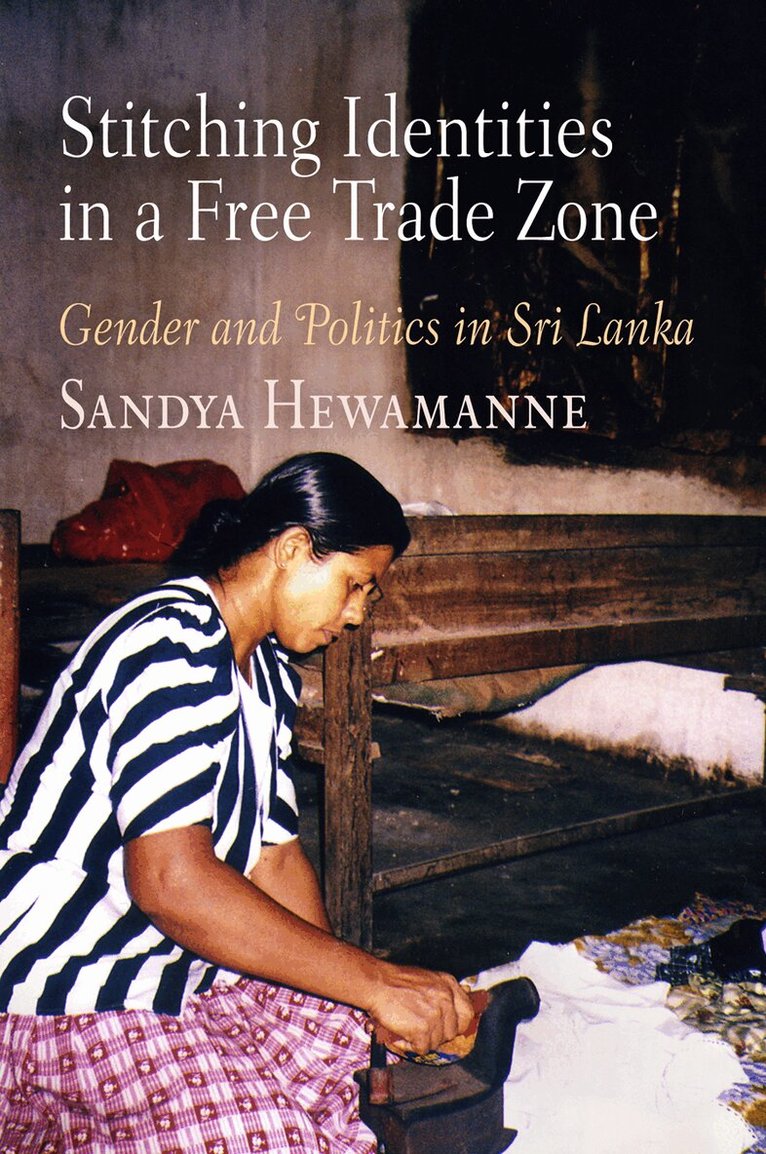
Stitching Identities in a Free Trade Zone
Gender and Politics in Sri Lanka
E-bok, 2011
479 kr
Lägg i varukorg
Anthropologist Sandya Hewamanne spent time in a Sri Lankan free trade zone (FTZ) working and living among the workers to learn about their lives. "They were poor women from rural areas," Hewamanne writes, "who migrated to do garment work in transnational factories of a global assembly line. Their …
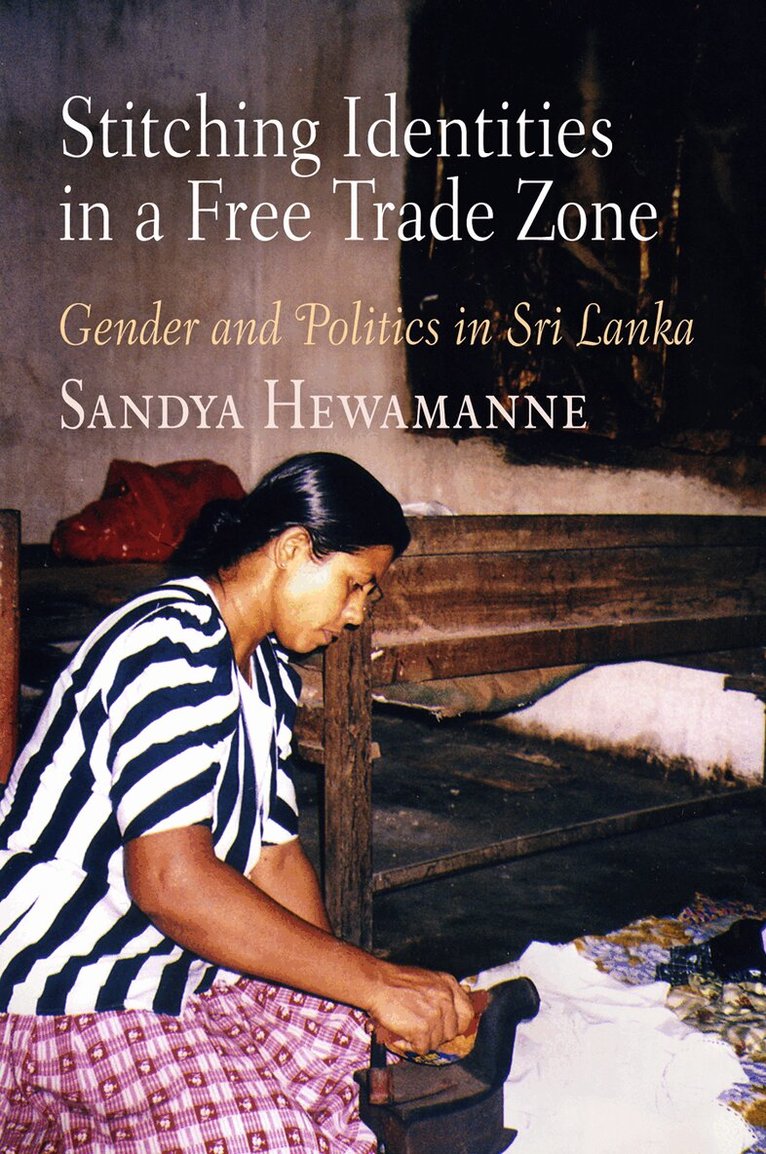
Stitching Identities in a Free Trade Zone
Gender and Politics in Sri Lanka
Häftad, 2010
385 kr
Lägg i varukorg
Anthropologist Sandya Hewamanne spent time in a Sri Lankan free trade zone (FTZ) working and living among the workers to learn about their lives. "They were poor women from rural areas," Hewamanne writes, "who migrated to do garment work in transnational factories of a global assembly line. Their …
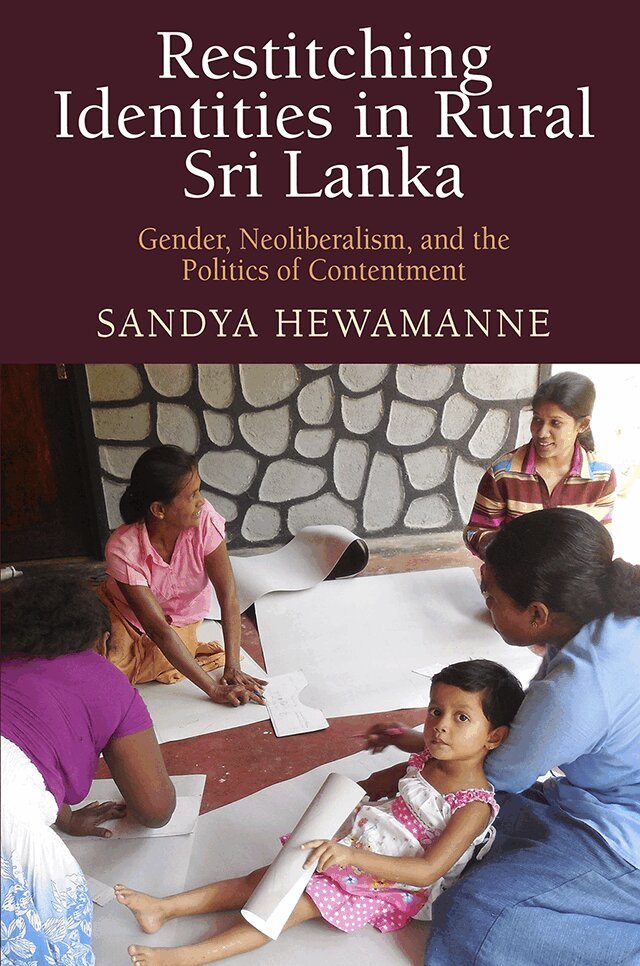
Restitching Identities in Rural Sri Lanka
Gender, Neoliberalism, and the Politics of Contentment
Inbunden, 2020
629 kr
Lägg i varukorg
Sandya Hewamanne's Stitching Identities in a Free Trade Zone analyzed how female factory workers in Sri Lanka's free trade zones challenged conventional notions about marginalized women at the bottom of the global economy. In Restitching Identities in Rural Sri Lanka Hewamanne now follows many of …
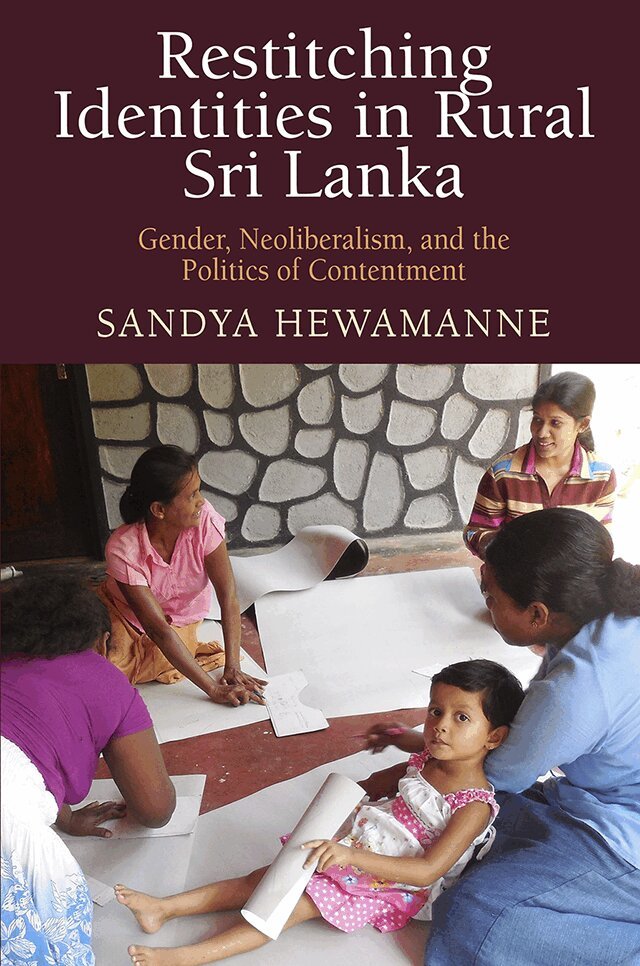
Restitching Identities in Rural Sri Lanka
Gender, Neoliberalism, and the Politics of Contentment
E-bok, 2020
734 kr
Lägg i varukorg
Sandya Hewamanne's Stitching Identities in a Free Trade Zone analyzed how female factory workers in Sri Lanka's free trade zones challenged conventional notions about marginalized women at the bottom of the global economy. In Restitching Identities in Rural Sri Lanka Hewamanne now follows many of …
Sri Lanka's Global Factory Workers
(Un) Disciplined Desires and Sexual Struggles in a Post-Colonial Society
E-bok, 2016
522 kr
Lägg i varukorg
In Sri Lanka, the Free Trade Zone (FTZ) employs thousands of unmarried rural women, and their migration has aroused deep anxieties over female morality and ideal conduct. This book focuses on the global factory workers based in the FTZ, and analyzes intersections of gender, class and sexuality by …
Sri Lanka's Global Factory Workers
(Un) Disciplined Desires and Sexual Struggles in a Post-Colonial Society
E-bok, 2016
511 kr
Lägg i varukorg
In Sri Lanka, the Free Trade Zone (FTZ) employs thousands of unmarried rural women, and their migration has aroused deep anxieties over female morality and ideal conduct. This book focuses on the global factory workers based in the FTZ, and analyzes intersections of gender, class and sexuality by …
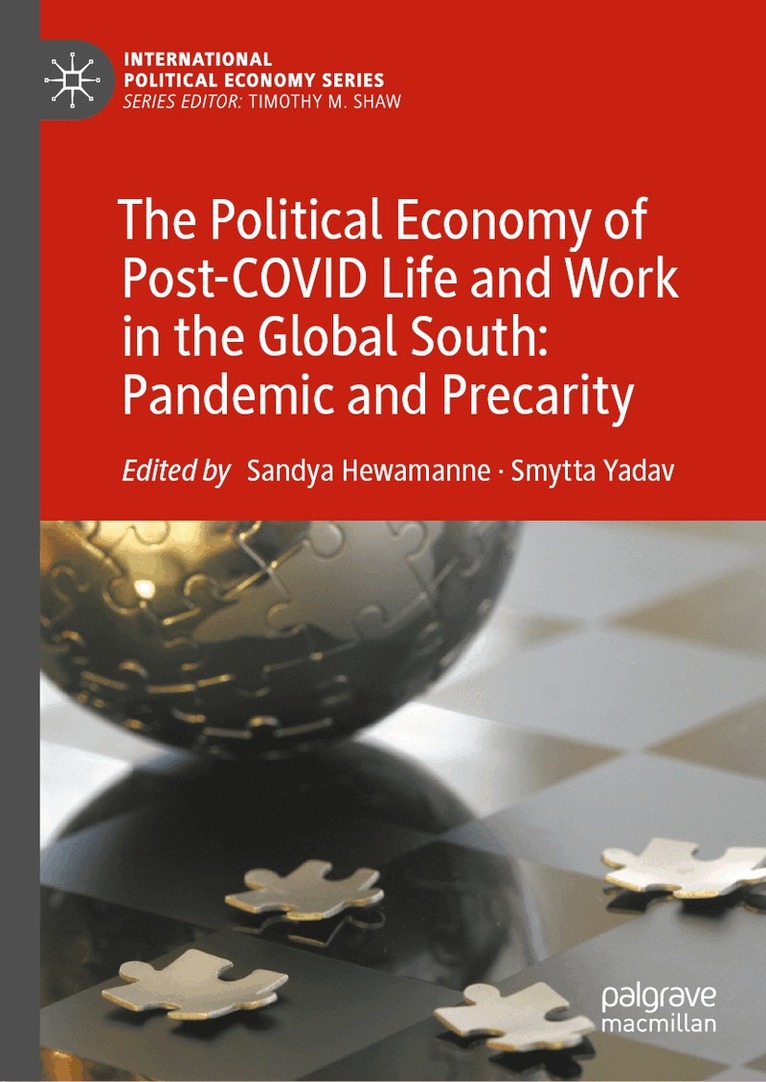
Political Economy of Post-COVID Life and Work in the Global South: Pandemic and Precarity
Av Sandya Hewamanne, Smytta Yadav
Inbunden, 2022
1355 kr
Lägg i varukorg
This edited volume highlights cascading effects of the pandemic and lockdown on informal economies of varied countries in the Global South. Uneven development after colonization, imperialism, and externally influenced conflict have caused many countries in the formally colonized or semi-occupied …
Political Economy of Post-COVID Life and Work in the Global South: Pandemic and Precarity
Av Smytta Yadav, Sandya Hewamanne
E-bok, 2022
1188 kr
Lägg i varukorg
This edited volume highlights cascading effects of the pandemic and lockdown on informal economies of varied countries in the Global South. Uneven development after colonization, imperialism, and externally influenced conflict have caused many countries in the formally colonized or semi-occupied …
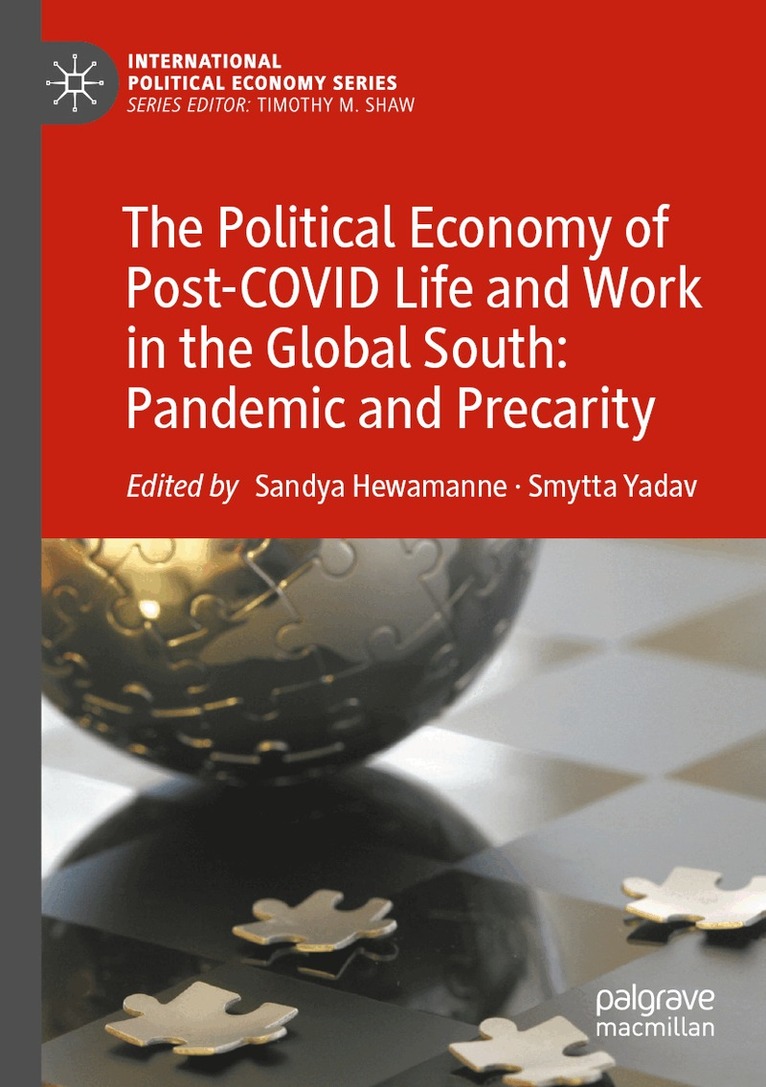
Political Economy of Post-COVID Life and Work in the Global South: Pandemic and Precarity
Av Sandya Hewamanne, Smytta Yadav
Häftad, 2023
715 kr
Lägg i varukorg
This edited volume highlights cascading effects of the pandemic and lockdown on informal economies of varied countries in the Global South. Uneven development after colonization, imperialism, and externally influenced conflict have caused many countries in the formally colonized or semi-occupied …