Sanjay Arora – författare
Visar alla böcker från författaren Sanjay Arora. Handla med fri frakt och snabb leverans.
6 produkter
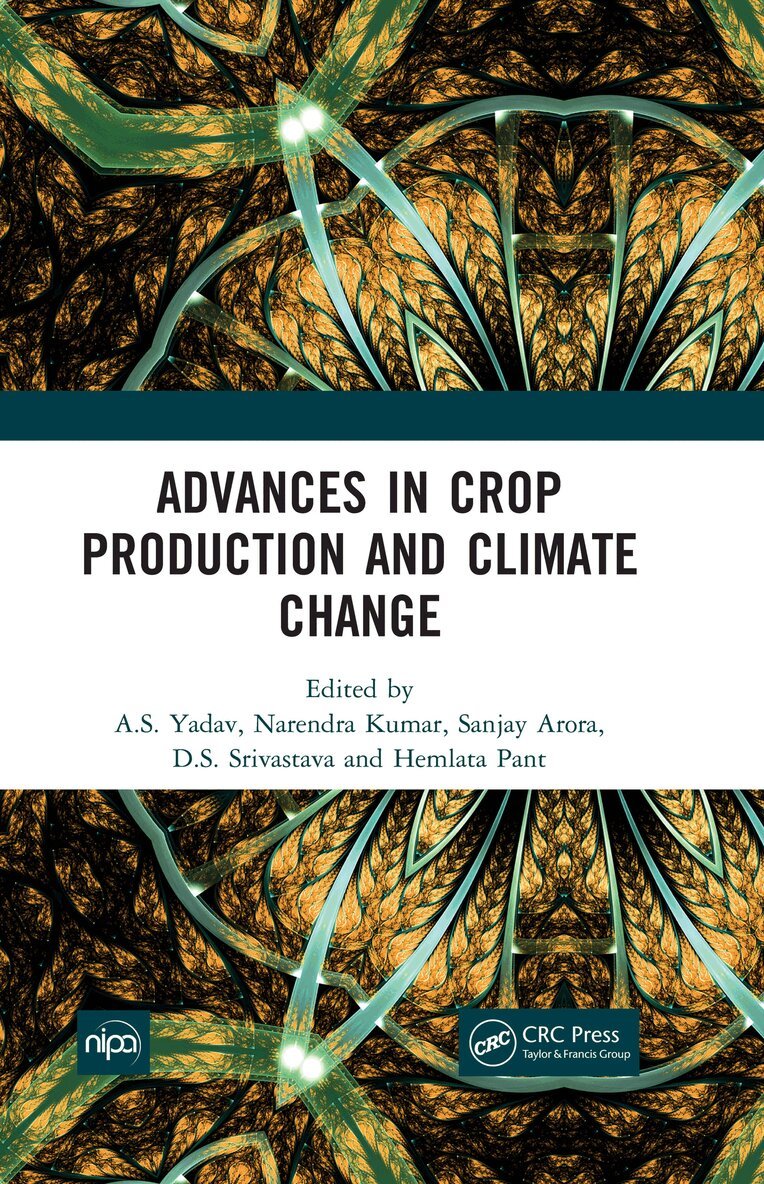
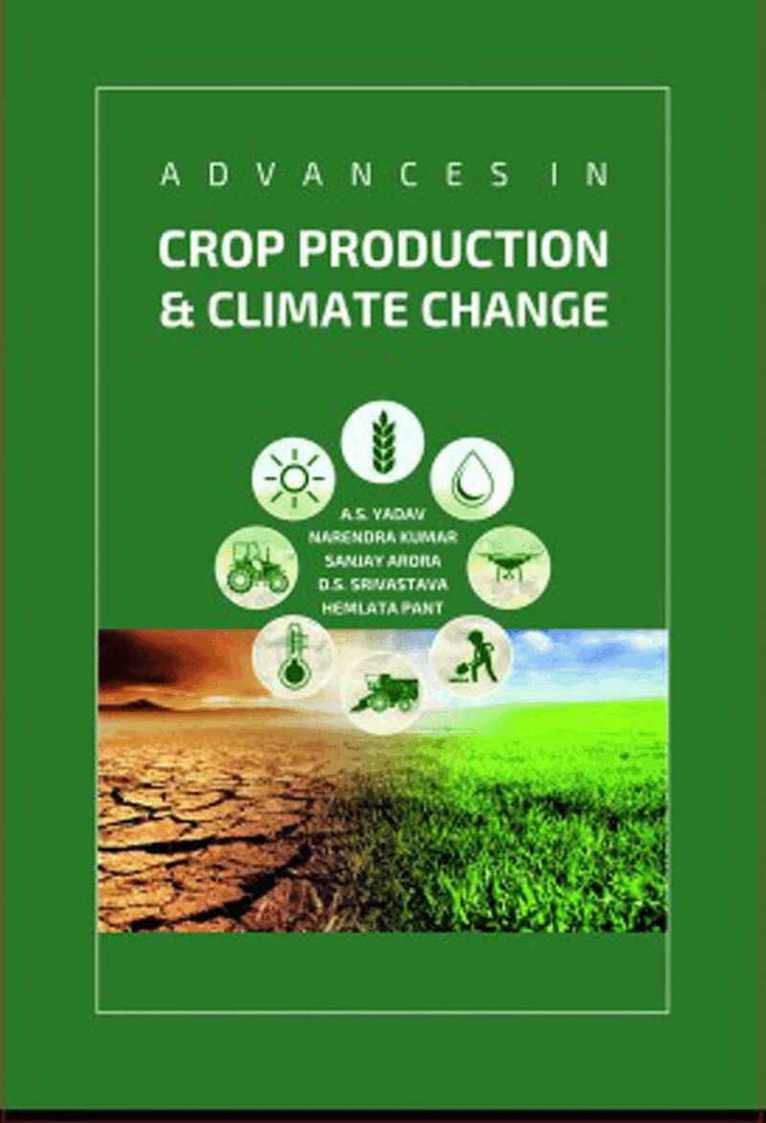
Advances in Crop Production and Climate Change
Av A.S. Yadav, Narendra Kumar m. fl.
E-bok, 2023
3558 kr
Lägg i varukorg
This book has comprehensive coverage and advances in agriculture for sustainable development and is expected to provide valuable sources for scholars and researchers, as well as serve as a guide book to the farmer’s community and development agencies. The book is organized into 18 chapters, which …
Advances in Crop Production and Climate Change
Av A.S. Yadav, Narendra Kumar m. fl.
Inbunden, 2021
3055 kr
Lägg i varukorg
This book has comprehensive coverage and advances in agriculture for sustainable development and is expected to provide valuable sources for scholars and researchers, as well as serve as a guide book to the farmer’s community and development agencies. The book is organized into 18 chapters, which …
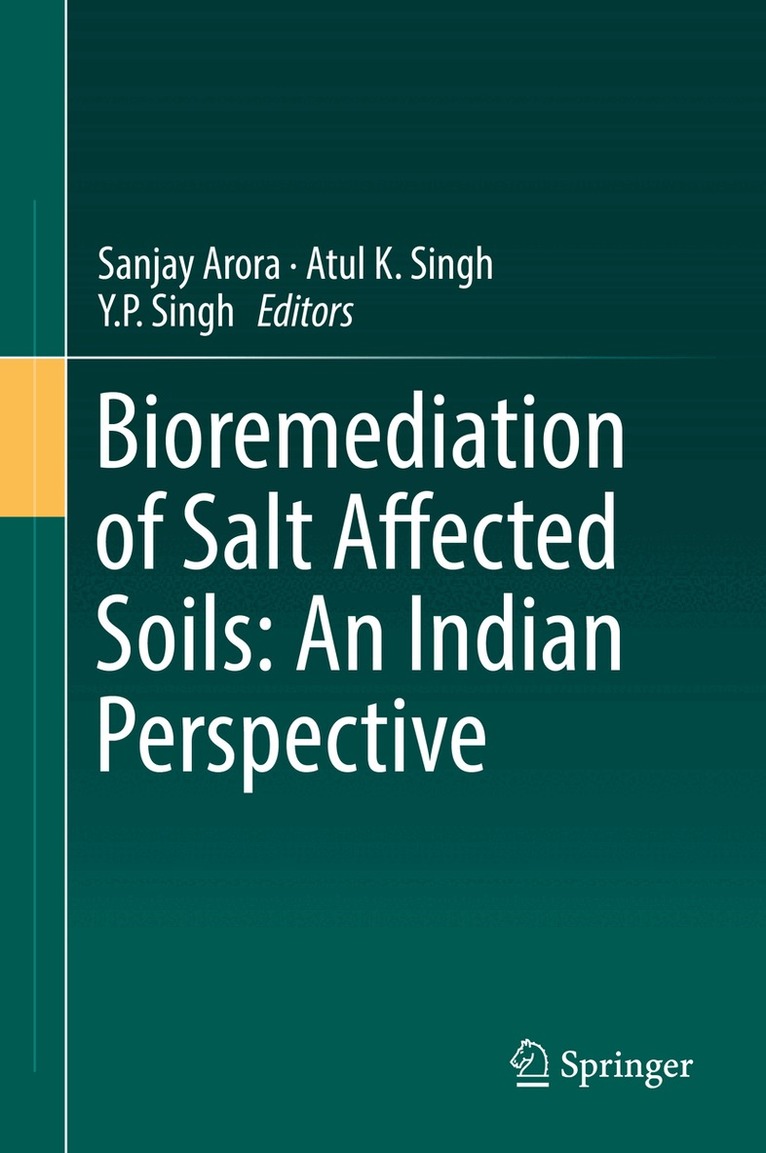
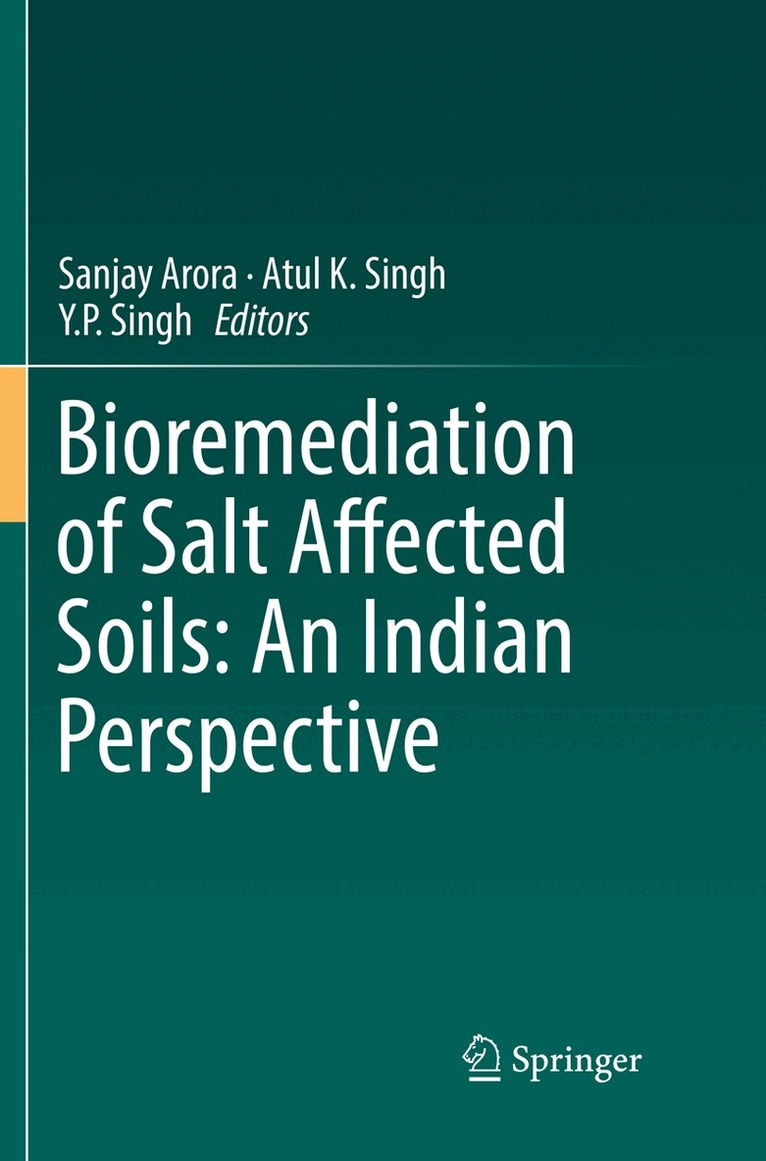
Bioremediation of Salt Affected Soils: An Indian Perspective
Av Sanjay Arora, Atul K. Singh m. fl.
Inbunden, 2017
1095 kr
Lägg i varukorg
This edited volume focuses on the characterization, reclamation, bioremediation, and phytoremediation of salt affected soils and waterlogged sodic soils. Innovative technologies in managing marginal salt affected lands merit immediate attention in the light of climate change and its impact on crop …
Bioremediation of Salt Affected Soils: An Indian Perspective
Av Y.P. Singh, Atul K. Singh m. fl.
E-bok, 2017
1427 kr
Lägg i varukorg
This edited volume focuses on the characterization, reclamation, bioremediation, and phytoremediation of salt affected soils and waterlogged sodic soils. Innovative technologies in managing marginal salt affected lands merit immediate attention in the light of climate change and its impact on crop …
Bioremediation of Salt Affected Soils: An Indian Perspective
Av Sanjay Arora, Atul K. Singh m. fl.
Häftad, 2018
1095 kr
Lägg i varukorg
This edited volume focuses on the characterization, reclamation, bioremediation, and phytoremediation of salt affected soils and waterlogged sodic soils. Innovative technologies in managing marginal salt affected lands merit immediate attention in the light of climate change and its impact on crop …
Advances in Crop Production and Climate Change
Av A. S. Yadav, Narendra Kumar m. fl.
Inbunden, 2020
3146 kr
Lägg i varukorg
In recent years, India has made significant advancements in the fisheries industry. Improvements in vessel refinements, the use of new materials and line-handling systems, the preservation of catches, the availability of oceanographic sensor equipment, and the utilization of satellite technology to …