Sanjeeva Srivastava - Böcker
Visar alla böcker från författaren Sanjeeva Srivastava. Handla med fri frakt och snabb leverans.
7 produkter
7 produkter
1 766 kr
Skickas inom 10-15 vardagar
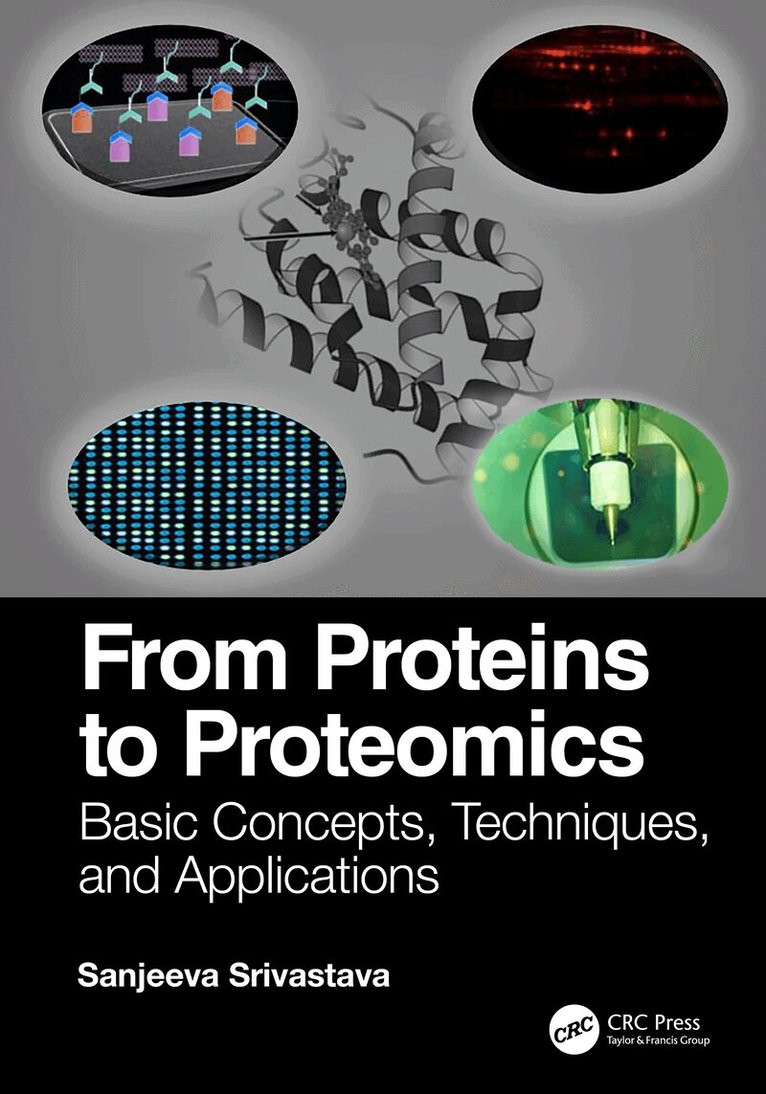
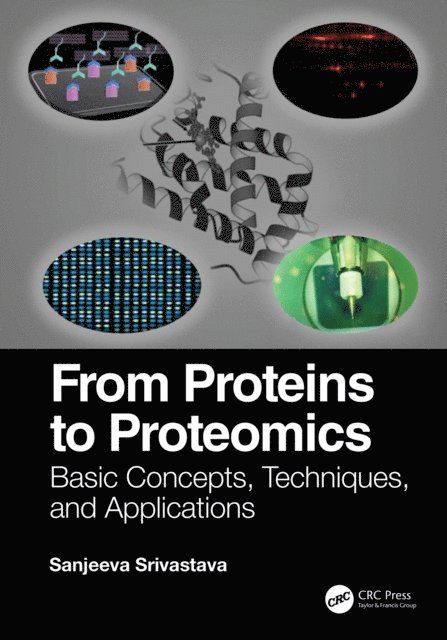
Proteomics aims to study all the proteins of human and other living systems, as well as their properties to provide an integrated view of cellular processes. The study of proteomics involves the application of rapidly evolving high-throughput technologies and new platforms that are coming forward regularly, providing versatile novel tools for biomedical and pharmaceutical applications. This book provides a detailed understanding of the basics of proteins and proteomics, gel based-proteomics techniques, basics of mass spectrometry and quantitative proteomics, interactomics: basics and applications, and advancements in proteomics. It also covers basic knowledge about sample preparation, mass spectrometry workflow, different chromatography technologies and quantitative proteomics.The text highlights the application and challenges of various high-throughput integrated proteomics technologies capable of fast and accurate screening of thousands of biomolecules, which are found to be very effective for studying disease pathobiology and identification of next-generation biomarkers and potential drug/vaccine targets; and are therefore considered valuable tools for multidisciplinary research. Features Basics of proteins and proteomics techniques In-depth understanding of mass spectrometry and quantitative proteomics An overview of interactomics and its application for translational research Advancement in the field of proteomics and challenges in clinical applications We hope the knowledge gained from reading this book will intrigue and motivate young minds to explore future opportunities in the constantly evolving field of proteomics.
670 kr
Skickas inom 10-15 vardagar
Proteomics aims to study all the proteins of human and other living systems, as well as their properties to provide an integrated view of cellular processes. The study of proteomics involves the application of rapidly evolving high-throughput technologies and new platforms that are coming forward regularly, providing versatile novel tools for biomedical and pharmaceutical applications. This book provides a detailed understanding of the basics of proteins and proteomics, gel based-proteomics techniques, basics of mass spectrometry and quantitative proteomics, interactomics: basics and applications, and advancements in proteomics. It also covers basic knowledge about sample preparation, mass spectrometry workflow, different chromatography technologies and quantitative proteomics.The text highlights the application and challenges of various high-throughput integrated proteomics technologies capable of fast and accurate screening of thousands of biomolecules, which are found to be very effective for studying disease pathobiology and identification of next-generation biomarkers and potential drug/vaccine targets; and are therefore considered valuable tools for multidisciplinary research. Features Basics of proteins and proteomics techniques In-depth understanding of mass spectrometry and quantitative proteomics An overview of interactomics and its application for translational research Advancement in the field of proteomics and challenges in clinical applications We hope the knowledge gained from reading this book will intrigue and motivate young minds to explore future opportunities in the constantly evolving field of proteomics.
1 682 kr
Skickas
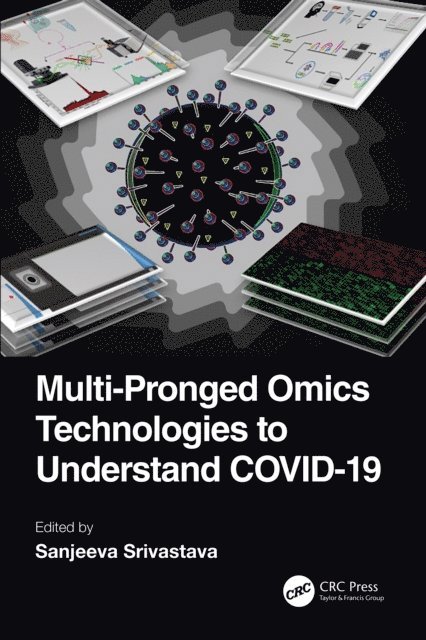
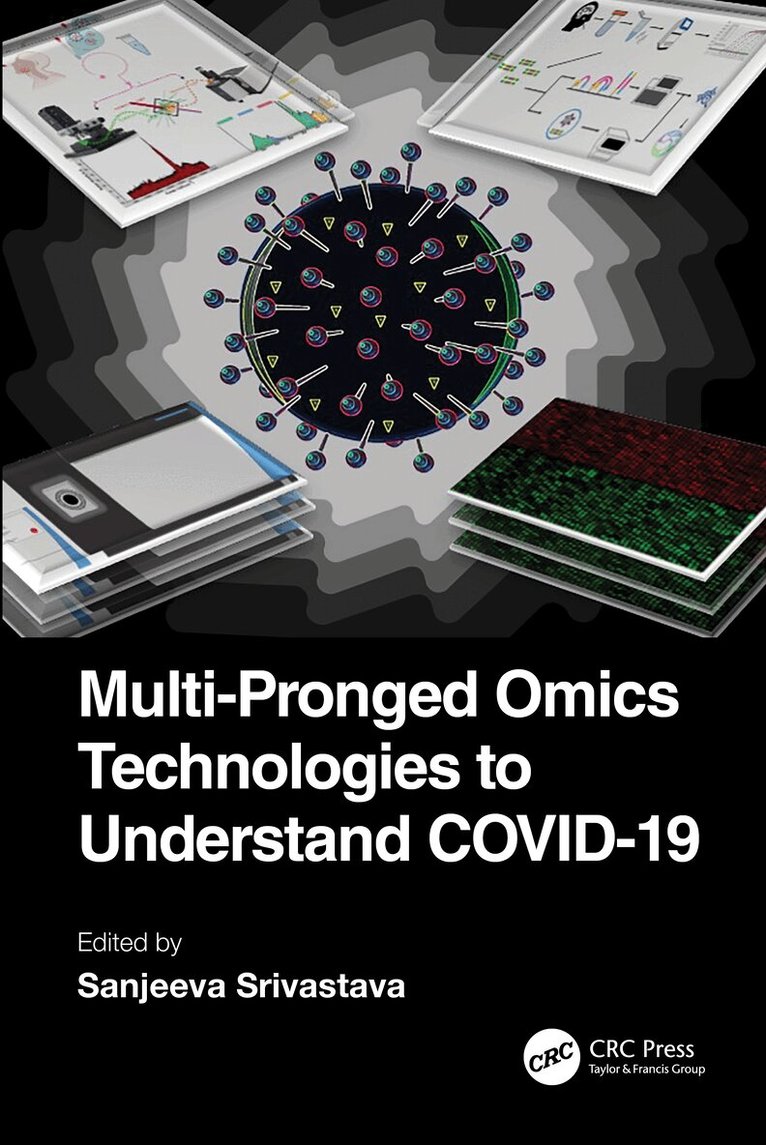
"COVID-19 and Omics Technologies" is a comprehensive, integrative assessment of recent information and knowledge collected on SARS-CoV-2 and COVID-19 during the pandemic based on omics technologies. It demonstrates how omics technologies could better investigate the infectious disease and propose solutions to the current concerns.The value of multi-omics technologies in understanding disease etiology and host response, discovering infection biomarkers and illness prediction, identifying vaccine candidates, discovering therapeutic targets, and tracing pathogen evolution is discussed in this book. These factors combine to make it a valuable resource to enhance understanding of both "Omics technology" and "COVID-19" as a disease. The book covers the most recent understanding of COVID-19 and the applications of cutting-edge studies, making it accessible to a large multidisciplinary readership.The book explains how high-throughput technologies and systems biology might assist to solve the pandemic’s challenges and deconstruct and appreciate the substantial contributions that omics technologies have made in predicting the path of this unforeseeable pandemic.Features: In-depth summary of clinical presentation, epidemiological impact, and long-term sequelae of COVID-19 pandemic. A systematic overview of omics-based approaches to the study of COVID-19 biology. Recent research results and some pointers to future advancements in methodologies used. Detailed examples from recent studies on COVID-19 encompassing different omics methodologies. A detailed description of methodologies and notes on the applications of state-of-the-art technologies. This book is intended for scientists who need to understand the biology of COVID-19 from the perspective of omics investigations, as well as researchers who want to employ omics-based technologies in disease biology.
1 906 kr
Skickas inom 10-15 vardagar
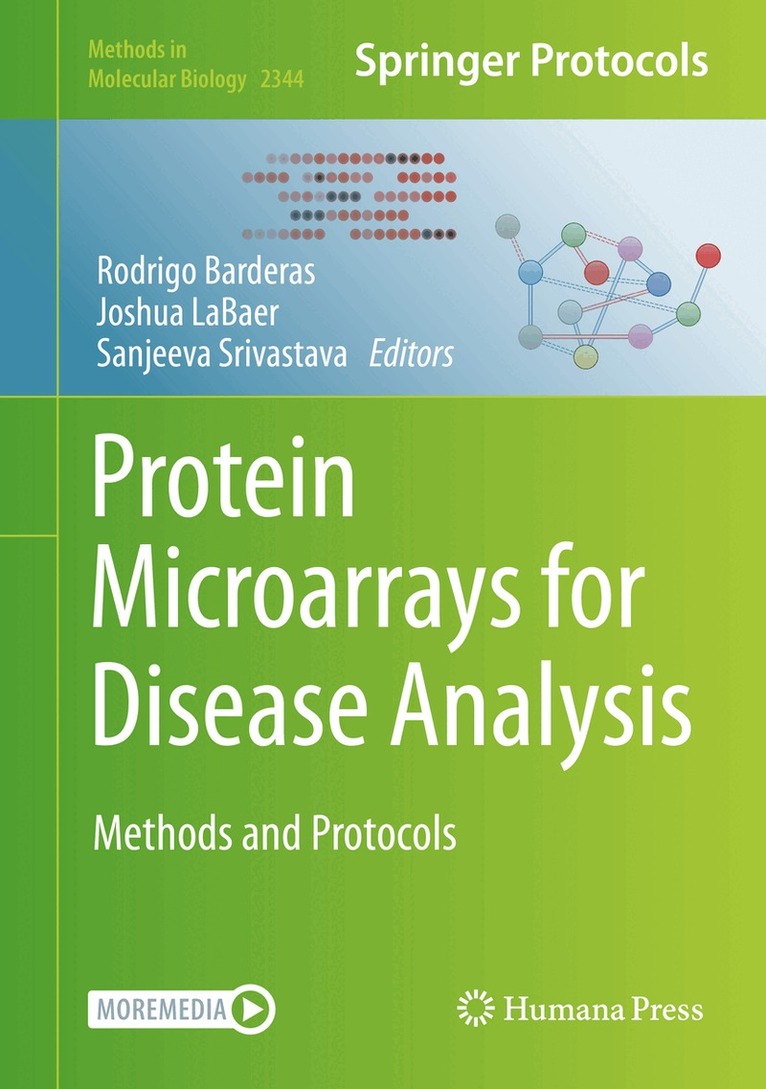
This volume focuses on protein analysis, and covers a wide array of uses of protein microarray for disease analysis.
1 273 kr
Skickas inom 10-15 vardagar
This volume focuses on protein analysis, and covers a wide array of uses of protein microarray for disease analysis.
Biomarker Discovery in the Developing World: Dissecting the Pipeline for Meeting the Challenges
Inbunden, Engelska, 2016
1 093 kr
Skickas inom 10-15 vardagar
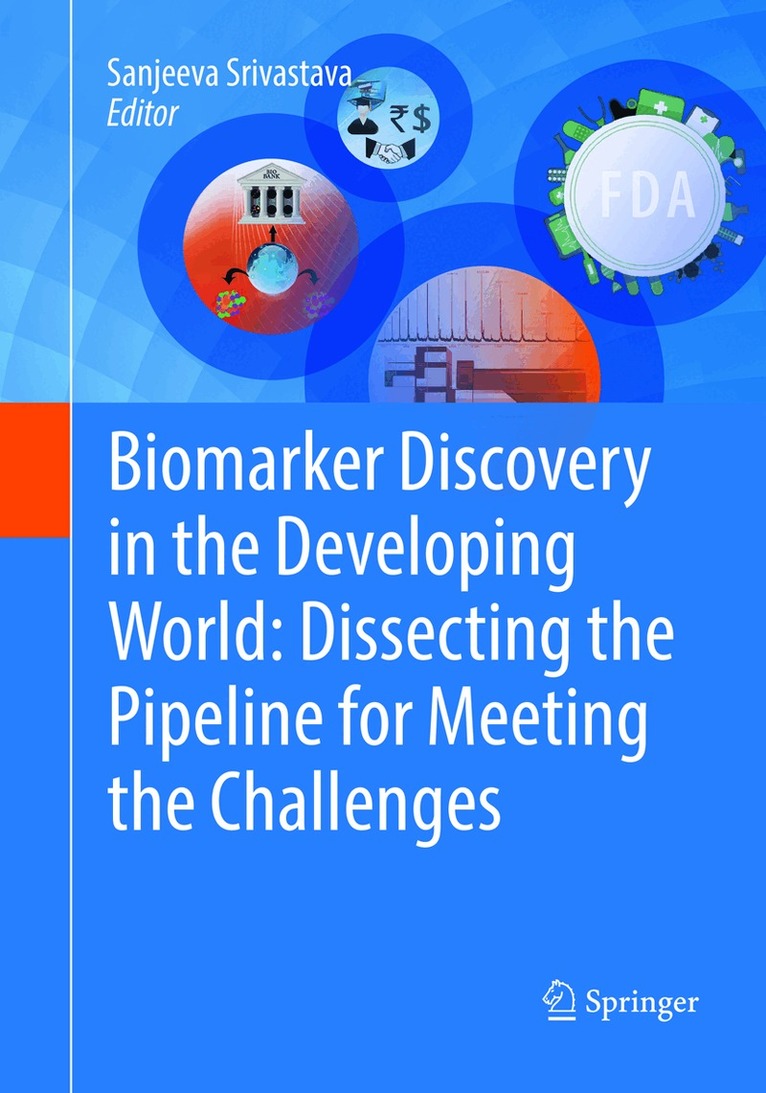
This book is oriented towards post-graduates and researchers with interest in proteomics and its applications in clinical biomarker discovery pipeline. Biomarker discovery has long been the research focus of many life scientists globally. However, the pipeline starting from discovery to validation to regulation as a diagnostic or therapeutic molecule follows a complex trajectory. This book aims to provide an in-depth synopsis on each of these developmental phases attendant to biomarker “life cycle” with emphasis on the emerging and significant role of proteomics. The book begins with a perspective on the role of biorepositories and need for biobanking practices in the developing world. The next chapter focuses on disease heterogeneity in context to geographical bias towards susceptibility to the disease and the role of multi-omics techniques to devise disruptive innovations towards biomarker discovery. Chapter 3 focuses on various omics-based platforms that are currently being usedfor biomarker discovery, their principles and workflow. Mass spectrometry is emerging as a powerful technology for discovery based studies and targeted validation. Chapter 4 aims at providing a glimpse of the basic workflow and considerations in mass spectrometry based studies. Rapid and aptly targeted research funding has often been deemed as one of the decisive factors enabling excellent science and path breaking innovations. With the need for sophistication required in multi-omics research, Chapter 5 focuses on innovative funding strategies such as crowdfunding and Angel philanthropy. Chapter 6 provides the latest advances in education innovation, the premise and reality of bioeconomy especially in a specific context of the developing world, not to mention the new concept of “social innovation” to link biomarkers with socially responsible and sustainable applications. Chapter 7, in ways similar to biomarkers, discusses the biosimilars as a field that has received much focus and prominence recently due to their immense potential in clinical and pharmaceutical innovation literatures. The broader goal post-biomarker discovery is to translate their use in clinics. However, the road from bench-to-bed side is arduous and complex that is subject to oversight from various national and international regulatory bodies. Chapter 8 underscores these regulatory science considerations and provides a concise overview on intellectual property rights in biomarker discovery. Thus, this book contributed by eminent biomarker scientists, clinicians, translational researchers and social scientists holistically covers the various facets of the biomarker discovery journey from “cell to society” in developing world. The lessons learned and highlighted here are of interest to the life sciences community in a global and interdependent world.
Biomarker Discovery in the Developing World: Dissecting the Pipeline for Meeting the Challenges
Häftad, Engelska, 2018
1 094 kr
Skickas inom 10-15 vardagar
This book is oriented towards post-graduates and researchers with interest in proteomics and its applications in clinical biomarker discovery pipeline. Biomarker discovery has long been the research focus of many life scientists globally. However, the pipeline starting from discovery to validation to regulation as a diagnostic or therapeutic molecule follows a complex trajectory. This book aims to provide an in-depth synopsis on each of these developmental phases attendant to biomarker “life cycle” with emphasis on the emerging and significant role of proteomics. The book begins with a perspective on the role of biorepositories and need for biobanking practices in the developing world. The next chapter focuses on disease heterogeneity in context to geographical bias towards susceptibility to the disease and the role of multi-omics techniques to devise disruptive innovations towards biomarker discovery. Chapter 3 focuses on various omics-based platforms that are currently being usedfor biomarker discovery, their principles and workflow. Mass spectrometry is emerging as a powerful technology for discovery based studies and targeted validation. Chapter 4 aims at providing a glimpse of the basic workflow and considerations in mass spectrometry based studies. Rapid and aptly targeted research funding has often been deemed as one of the decisive factors enabling excellent science and path breaking innovations. With the need for sophistication required in multi-omics research, Chapter 5 focuses on innovative funding strategies such as crowdfunding and Angel philanthropy. Chapter 6 provides the latest advances in education innovation, the premise and reality of bioeconomy especially in a specific context of the developing world, not to mention the new concept of “social innovation” to link biomarkers with socially responsible and sustainable applications. Chapter 7, in ways similar to biomarkers, discusses the biosimilars as a field that has received much focus and prominence recently due to their immense potential in clinical and pharmaceutical innovation literatures. The broader goal post-biomarker discovery is to translate their use in clinics. However, the road from bench-to-bed side is arduous and complex that is subject to oversight from various national and international regulatory bodies. Chapter 8 underscores these regulatory science considerations and provides a concise overview on intellectual property rights in biomarker discovery. Thus, this book contributed by eminent biomarker scientists, clinicians, translational researchers and social scientists holistically covers the various facets of the biomarker discovery journey from “cell to society” in developing world. The lessons learned and highlighted here are of interest to the life sciences community in a global and interdependent world.