Sanjoy De – författare
Visar alla böcker från författaren Sanjoy De. Handla med fri frakt och snabb leverans.
3 produkter
3 produkter
Inbunden, Engelska, 2020
565 kr
Skickas inom 10-15 vardagar
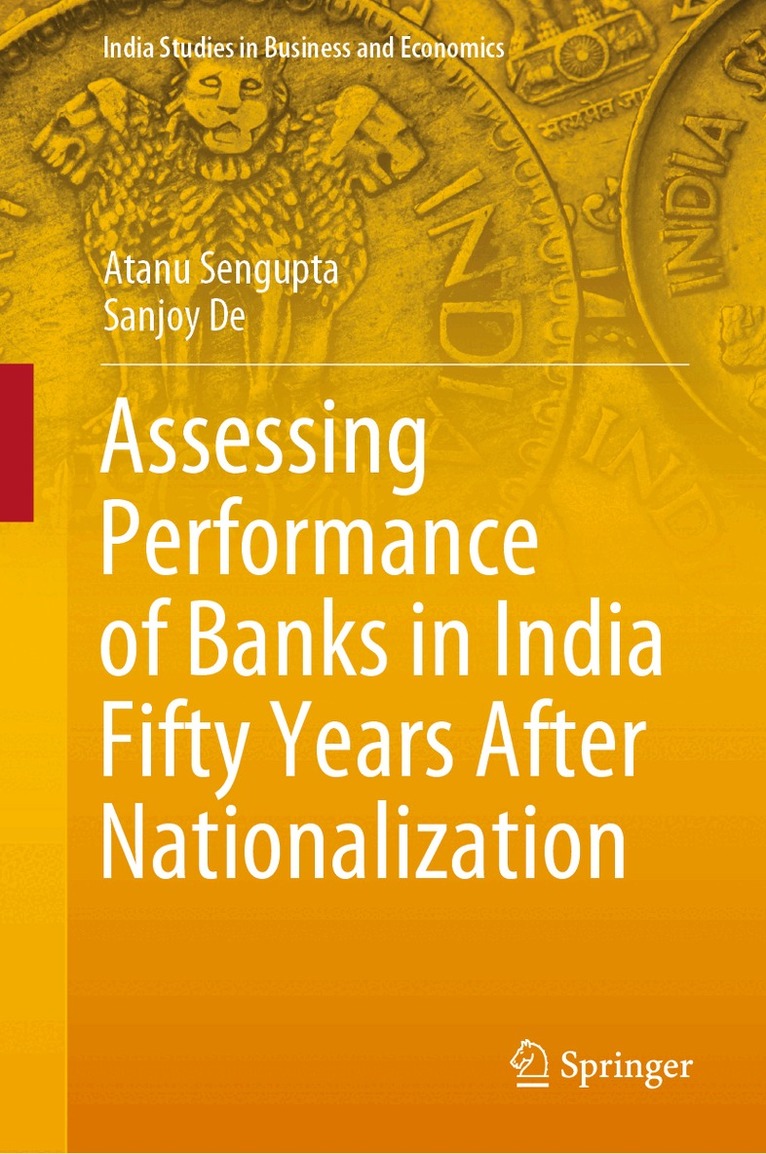
This book assesses the performance of banks in India over the past several decades, and discusses their current status after fifty years of nationalization. The performance of different categories of banks is evaluated by employing both the traditional ratio analysis and more sophisticated efficiency techniques. The book also explores the market conditions under which Indian banks operate. Going beyond a formal banking study, the book also investigates the causes of the widespread presence of informal credit in parallel to its formal banking counterpart. This approach makes it more comprehensive, unique and closer to the real world.After 50 years of nationalization, India’s banking sector is at a crossroads, given the huge and unabated non-performing assets and talks of consolidation. This book, encompassing both the formal and the predominantly ‘trust-based’ informal credit system, provides essential insights for bankers and policymakers, which will be invaluable in their endeavours to implement meaningful changes. It may also spark new research in the fields of banking performance and efficiency analysis. Lastly, the book not only has significant implications for students of economics, banking, finance and management, but also offers an important resource to support training courses for banking personnel in India.
E-bok
Engelska, 2020708 kr
Läs direkt efter köp
This book assesses the performance of banks in India over the past several decades, and discusses their current status after fifty years of nationalization. The performance of different categories of banks is evaluated by employing both the traditional ratio analysis and more sophisticated efficiency techniques. The book also explores the market conditions under which Indian banks operate. Going beyond a formal banking study, the book also investigates the causes of the widespread presence of informal credit in parallel to its formal banking counterpart. This approach makes it more comprehensive, unique and closer to the real world.After 50 years of nationalization, India’s banking sector is at a crossroads, given the huge and unabated non-performing assets and talks of consolidation. This book, encompassing both the formal and the predominantly ‘trust-based’ informal credit system, provides essential insights for bankers and policymakers, which will be invaluable in their endeavours to implement meaningful changes. It may also spark new research in the fields of banking performance and efficiency analysis. Lastly, the book not only has significant implications for students of economics, banking, finance and management, but also offers an important resource to support training courses for banking personnel in India.
Häftad, Engelska, 2021
565 kr
Skickas inom 10-15 vardagar
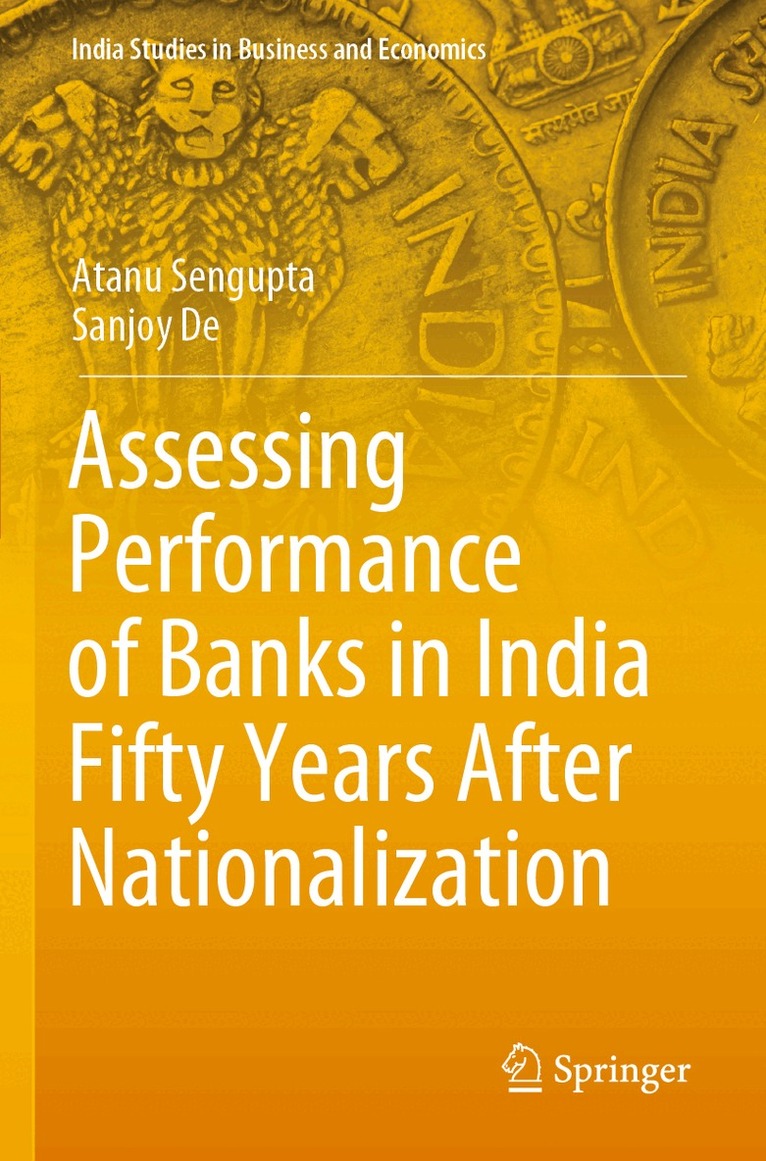
This book assesses the performance of banks in India over the past several decades, and discusses their current status after fifty years of nationalization. The performance of different categories of banks is evaluated by employing both the traditional ratio analysis and more sophisticated efficiency techniques. The book also explores the market conditions under which Indian banks operate. Going beyond a formal banking study, the book also investigates the causes of the widespread presence of informal credit in parallel to its formal banking counterpart. This approach makes it more comprehensive, unique and closer to the real world.After 50 years of nationalization, India’s banking sector is at a crossroads, given the huge and unabated non-performing assets and talks of consolidation. This book, encompassing both the formal and the predominantly ‘trust-based’ informal credit system, provides essential insights for bankers and policymakers, which will be invaluable in their endeavours to implement meaningful changes. It may also spark new research in the fields of banking performance and efficiency analysis. Lastly, the book not only has significant implications for students of economics, banking, finance and management, but also offers an important resource to support training courses for banking personnel in India.