Sanya Osha – författare
Visar alla böcker från författaren Sanya Osha. Handla med fri frakt och snabb leverans.
9 produkter
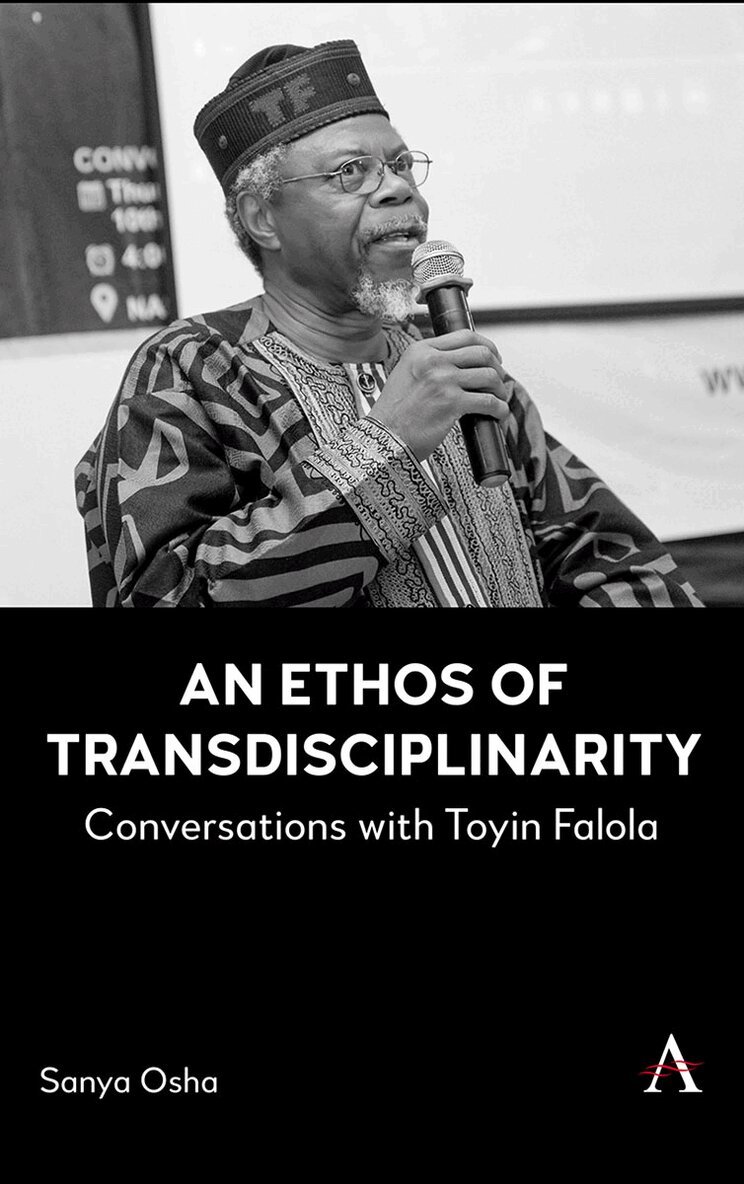
An Ethos of Transdisciplinarity
Conversations with Toyin Falola
Av Sanya Osha
Inbunden, 2025
1203 kr
Lägg i varukorg
Toyin Falola’s astounding intellectual production must be one of the mysteries in the intellectual world. It has transcended the confined world of historical research into broader horizons that include the role of the public intellectual. The present study would undertake a rigorous analysis of the …
Kwasi Wiredu and Beyond
The Text, Writing and Thought in Africa
Av Sanya Osha
Häftad, 2005
622 kr
Lägg i varukorg
Dani Nabudere's Afrikology
A Quest for African Holism
Av Sanya Osha
E-bok, 2018
504 kr
Lägg i varukorg
Dani Wadada Nabudere, the illustrious Ugandan scholar, produced a diverse body of work on various aspects of African culture, politics, and philosophy. Toward the end of his life, he formulated a theoretical construct that he termed “Afrikology.” Unlike most other Afrocentrists, who have stopped …
Postethnophilosophy
Av Sanya Osha
Häftad, 2011
1371 kr
Lägg i varukorg
This book makes a bold announcement for the beginning of a postethnophilosophical phase in modern African thought. It re-considers the question: “What is African philosophy,” and introduces a strategy for setting a broad and productive agenda for contemporary African philosophical thought.
Dust, Spittle and Wind
Av Sanya Osha
E-bok, 2011
486 kr
Lägg i varukorg
Dust, Spittle and Wind is a story of youth, dreams of innocence and transcendence told within a postcolonial setting. It follows Olu Ray, the main character of the novel through a bitter-sweet journey of loss and self-realisation. The novel focuses on the final moment before actual emotional …
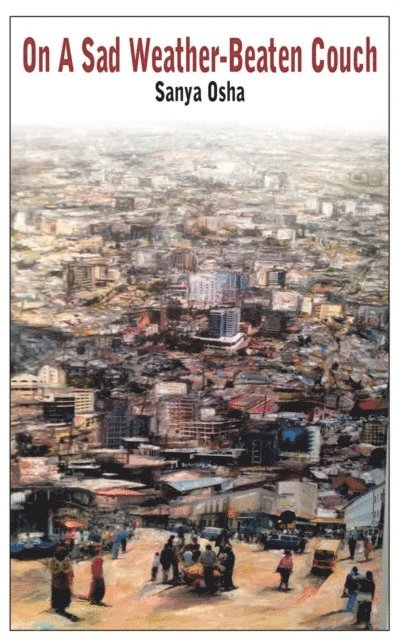
On A Sad Weather-Beaten Couch
Av Sanya Osha
E-bok, 2015
536 kr
Lägg i varukorg
The most appealing quality of the novel is its haunting and unusual prose that really ought to be termed poetry. But this is poetry with an added touch as it is also a narrative that weaves together many lives engrossed in the daily struggle for survival. There are no heroes or villains, just …
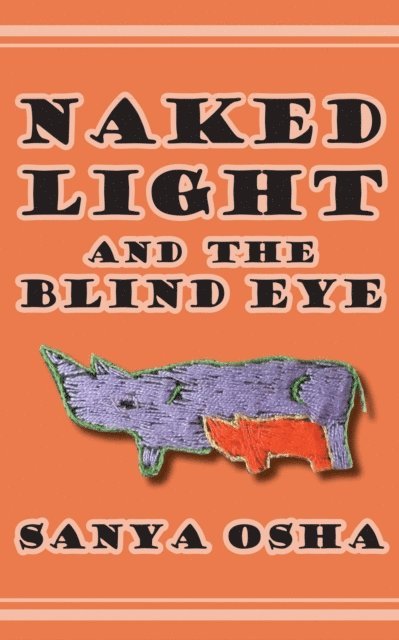
Naked Light and the Blind Eye
Av Sanya Osha
E-bok, 2017
410 kr
Lägg i varukorg
At the end of his tether, Solomon Wenku contemplates a life gone awry amid widespread postcolonial squalor. Tani enters his life supposedly as a contrast to his encroaching existential gloom only to speed up the pace of his total collapse. Sanya Osha’s cult novel beams a searchlight on what it …
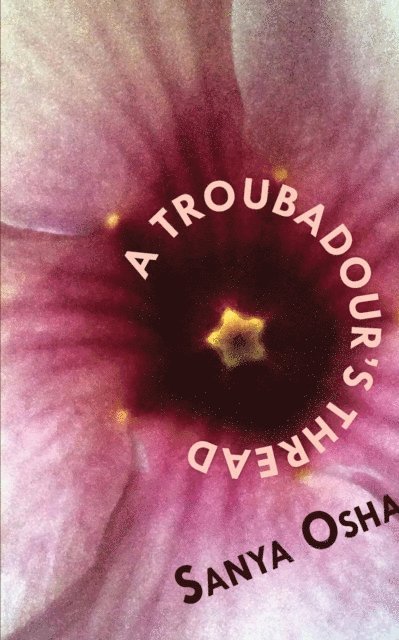
Troubadour's Thread
Av Sanya Osha
E-bok, 2013
410 kr
Lägg i varukorg
This volume powerfully conveys the pilgrimage of a singular spirit through adversity, equanimity, immanence and eventually, transcendence. It grapples with a range of emotions, topics and sensations. Christopher Okigbo achieved similar results but in an entirely different manner. Okigbo,s vision is …