Sara Casagrande - Böcker
Visar alla böcker från författaren Sara Casagrande. Handla med fri frakt och snabb leverans.
4 produkter
4 produkter
2 760 kr
Skickas inom 10-15 vardagar
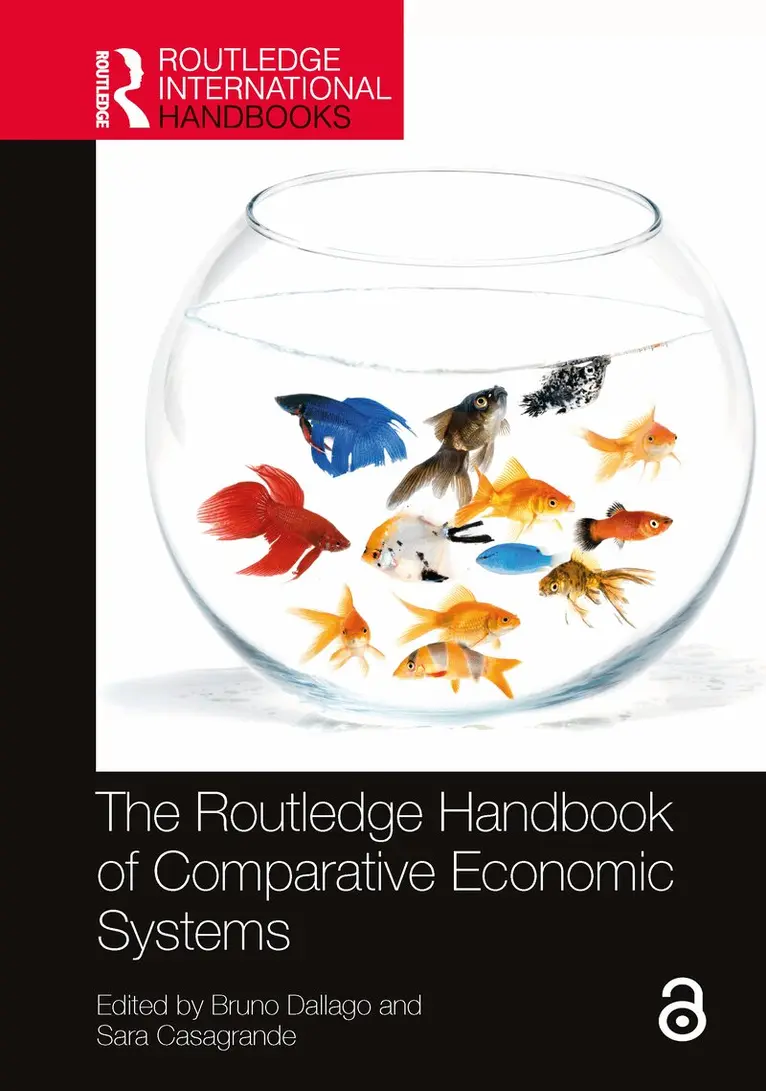
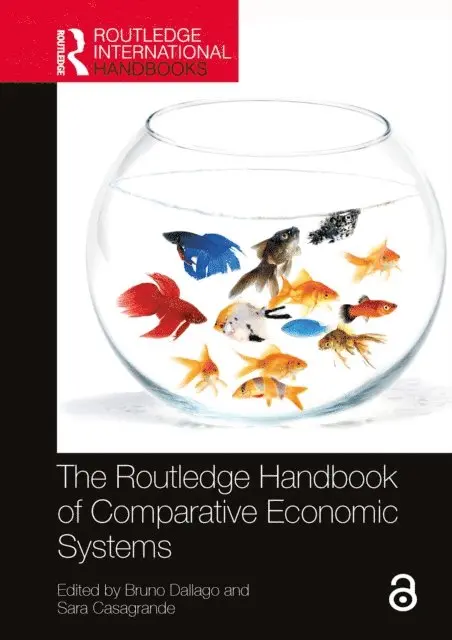
The Routledge Handbook of Comparative Economic Systems examines the institutional bases of economies, and the different ways in which economic activity can function, be organized and governed. It examines the complexity of this academic and research field, assessing the place of comparative economic studies within economics, paying due attention to future perspectives, and presenting critically important questions, analytical methods and relative approaches. This complements the recent revival of the systemic view of economic governance, which was accelerated by the COVID-19 pandemic and likely even more the renewed East-West clash epitomized by the Russian invasion of Ukraine and the West’s reaction to it.The Handbook is divided into five parts. Each part deals with an issue of relevance for the discipline. The first and second parts look at the subject, content and approach of the discipline and its comparative method. The third part looks at the idiosyncratic nature of different economic systems and their constituent elements. The fourth part considers the outcomes that different economic systems generate and how these outcomes change following the evolution and transformation of economic systems. The last part takes stock and looks ahead at the challenges, from a theoretical and applied perspective, and the exogenous and endogenous factors promoting the advancement of the discipline, including the interaction between and competition among varied approaches and opposing paradigms. The Handbook brings together leading international contributors to reflect on the relevant debates and case or country studies, provides a balanced overview of the results achieved and current knowledge, as well as evolving issues and new fields of research. The book provides researchers, students and analysts with a complete, critical and forward-looking presentation and analysis of the content, development, challenges and perspectives of comparative economic studies.Chapters 4 and 22 of this book are available for free in PDF format as Open Access from the individual product page at www.routledge.com. Chapter 4 has been made available under a Creative Commons Attribution 4.0 license and Chapter 22 has been made available under a Creative Commons Attribution-Non Commercial-No Derivatives 4.0 license.
663 kr
Skickas inom 10-15 vardagar
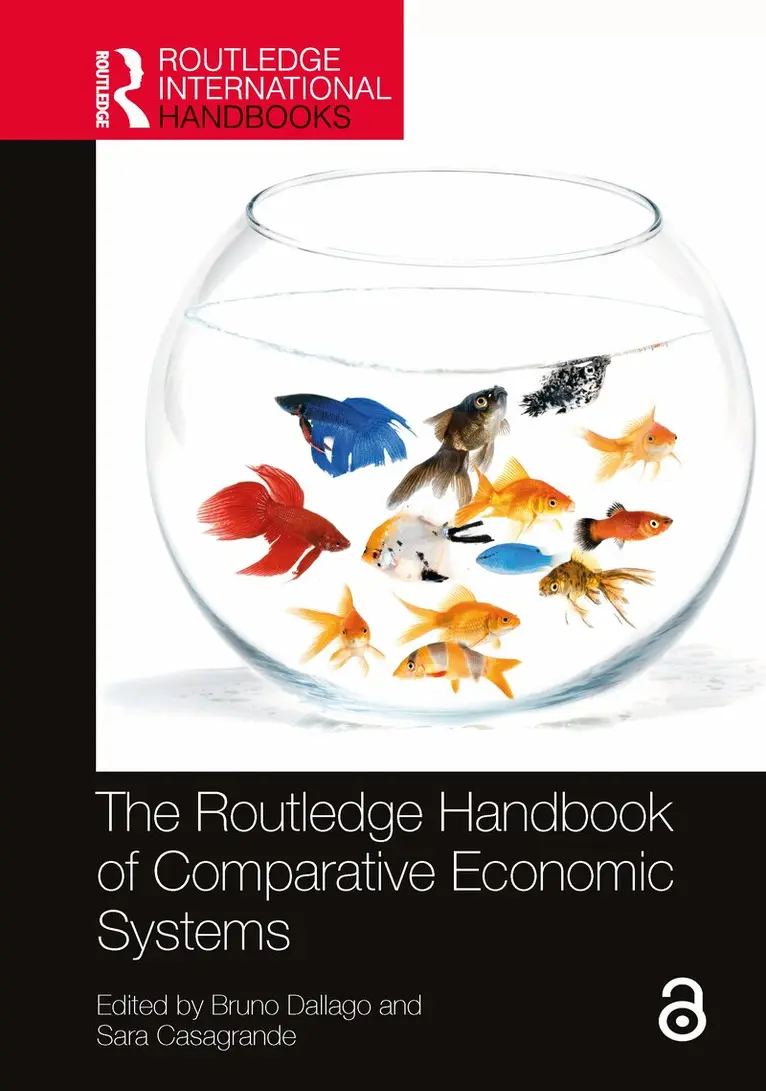
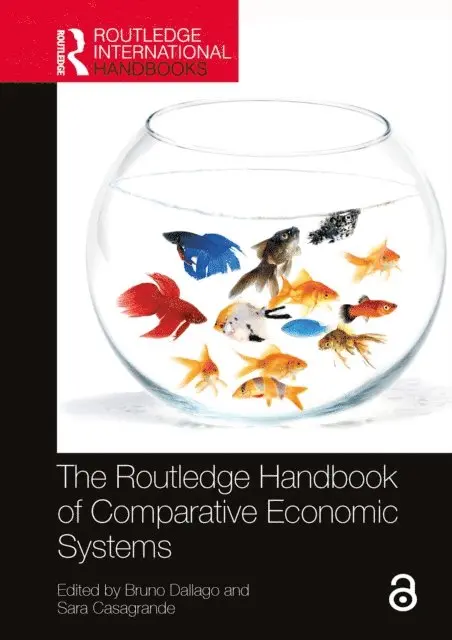
The Routledge Handbook of Comparative Economic Systems examines the institutional bases of economies, and the different ways in which economic activity can function, be organized and governed. It examines the complexity of this academic and research field, assessing the place of comparative economic studies within economics, paying due attention to future perspectives, and presenting critically important questions, analytical methods and relative approaches. This complements the recent revival of the systemic view of economic governance, which was accelerated by the COVID-19 pandemic and likely even more the renewed East-West clash epitomized by the Russian invasion of Ukraine and the West’s reaction to it.The Handbook is divided into five parts. Each part deals with an issue of relevance for the discipline. The first and second parts look at the subject, content and approach of the discipline and its comparative method. The third part looks at the idiosyncratic nature of different economic systems and their constituent elements. The fourth part considers the outcomes that different economic systems generate and how these outcomes change following the evolution and transformation of economic systems. The last part takes stock and looks ahead at the challenges, from a theoretical and applied perspective, and the exogenous and endogenous factors promoting the advancement of the discipline, including the interaction between and competition among varied approaches and opposing paradigms. The Handbook brings together leading international contributors to reflect on the relevant debates and case or country studies, provides a balanced overview of the results achieved and current knowledge, as well as evolving issues and new fields of research. The book provides researchers, students and analysts with a complete, critical and forward-looking presentation and analysis of the content, development, challenges and perspectives of comparative economic studies.Chapters 4 and 22 of this book are available for free in PDF format as Open Access from the individual product page at www.routledge.com. Chapter 4 has been made available under a Creative Commons Attribution 4.0 license and Chapter 22 has been made available under a Creative Commons Attribution-Non Commercial-No Derivatives 4.0 license.
2 151 kr
Skickas inom 10-15 vardagar
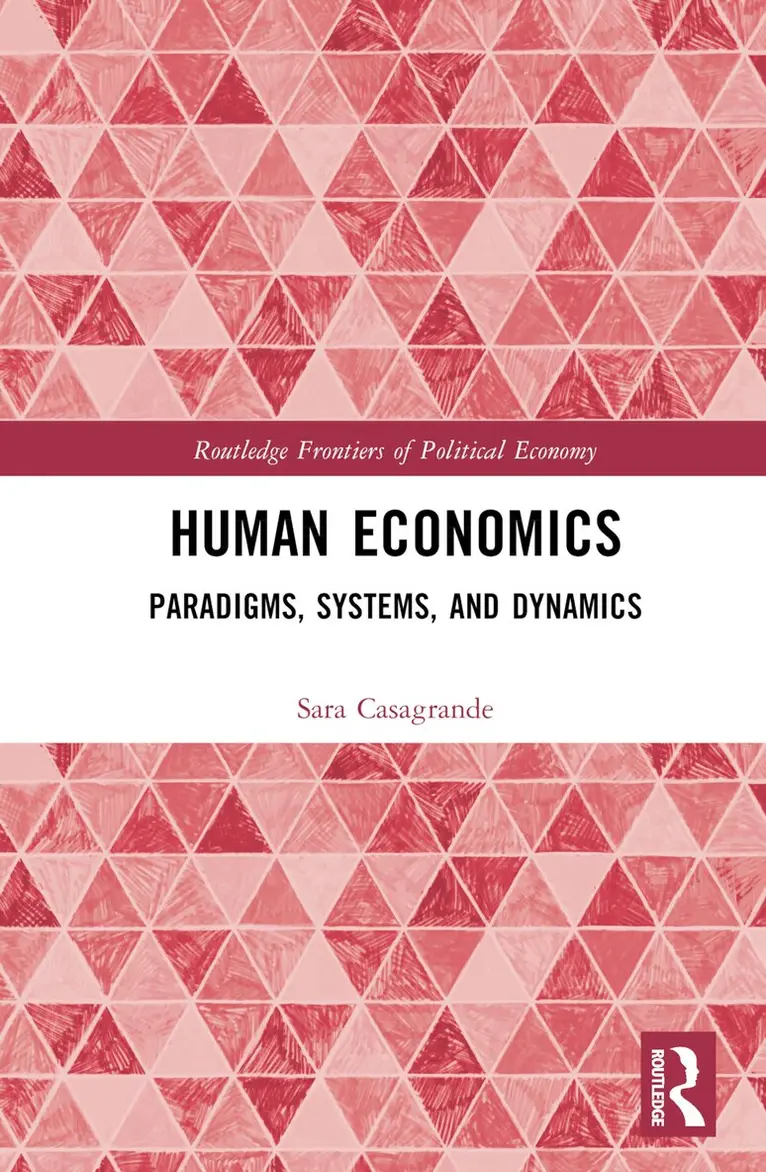
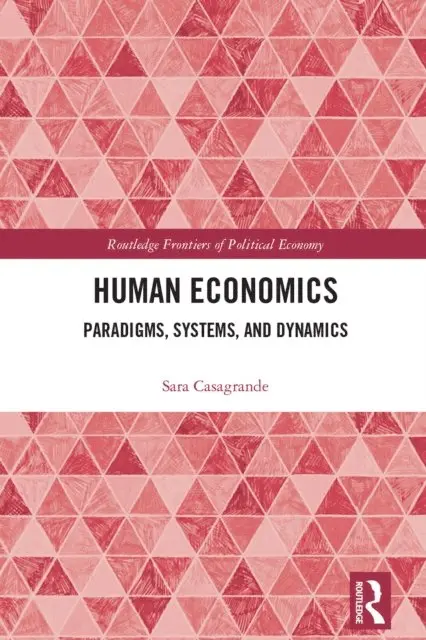
The term “human economics” is sometimes used within economic theory with the hope of repositioning economic discipline as a human and social science, but with scarce success. Indeed, although great economists have always carefully considered human nature, it has been largely neglected in modern economics. This book explores the potentials of a human economics, arguing that the complexity and peculiarities of human nature should be central to the study of economics. Complex economic phenomena are subject to laws and limits that reveal their internal order in spite of the apparent randomness and unpredictability. The book embraces the contributions of thinkers and economists who have tried to fully consider human nature and society within their biological environment. From these solid foundations, the book introduces a different Weltanschauung, offers an analysis of socio-economic paradigms, and develops an alternative theoretical framework. On the basis of a transdisciplinary methodology, the book investigates human nature, interactions, and systems up to the macroeconomic cyclical development of the capitalist system. Future perspectives and issues facing modern economies are also discussed from environmental sustainability to globalization and socio-political challenges. This book marks an original contribution to the literature on retooling economic discipline and presents useful food for thought for scholarly readers while remaining accessible to graduates who are studying mainstream economics.
594 kr
Skickas inom 10-15 vardagar
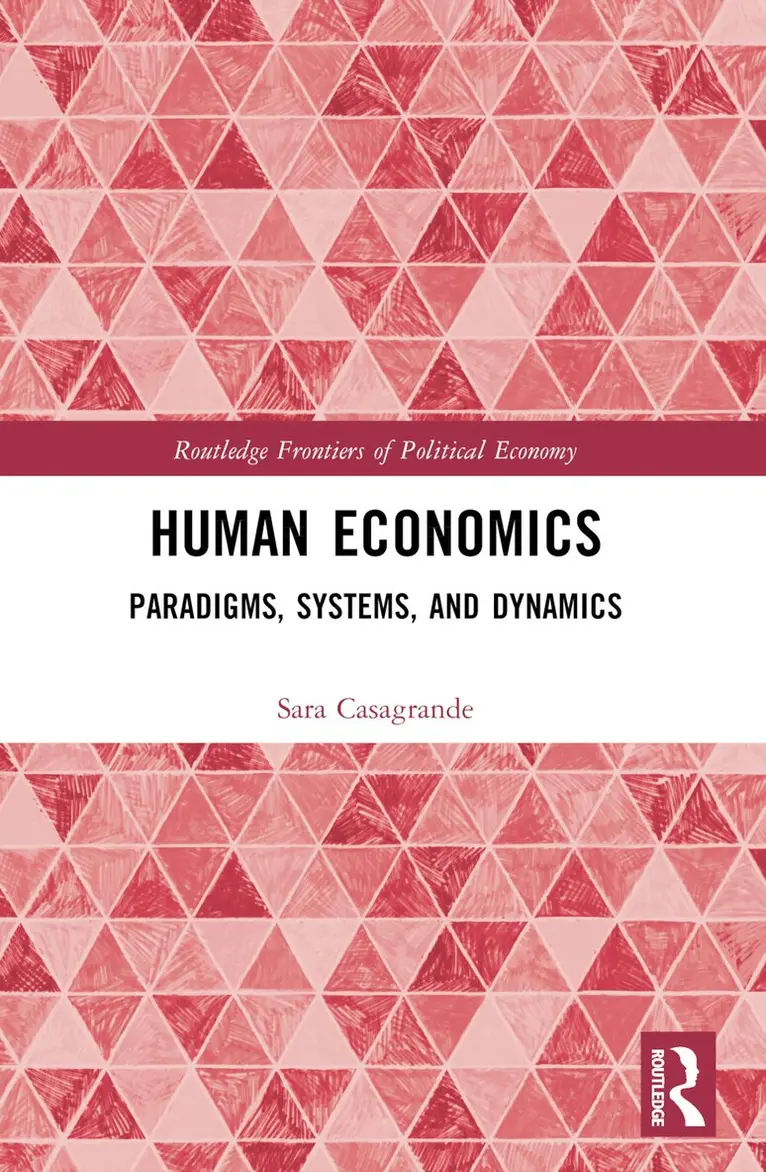
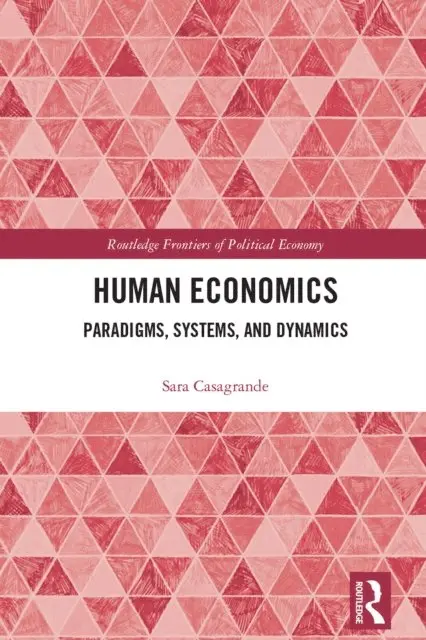
The term “human economics” is sometimes used within economic theory with the hope of repositioning economic discipline as a human and social science, but with scarce success. Indeed, although great economists have always carefully considered human nature, it has been largely neglected in modern economics. This book explores the potentials of a human economics, arguing that the complexity and peculiarities of human nature should be central to the study of economics. Complex economic phenomena are subject to laws and limits that reveal their internal order in spite of the apparent randomness and unpredictability. The book embraces the contributions of thinkers and economists who have tried to fully consider human nature and society within their biological environment. From these solid foundations, the book introduces a different Weltanschauung, offers an analysis of socio-economic paradigms, and develops an alternative theoretical framework. On the basis of a transdisciplinary methodology, the book investigates human nature, interactions, and systems up to the macroeconomic cyclical development of the capitalist system. Future perspectives and issues facing modern economies are also discussed from environmental sustainability to globalization and socio-political challenges. This book marks an original contribution to the literature on retooling economic discipline and presents useful food for thought for scholarly readers while remaining accessible to graduates who are studying mainstream economics.