Sara Garcês – författare
Visar alla böcker från författaren Sara Garcês. Handla med fri frakt och snabb leverans.
5 produkter
Prehistoric Rock Art of Portugal
Symbolising Animals and Things
Inbunden, 2023
2578 kr
Lägg i varukorg
The Prehistoric Rock Art of Portugal presents significant interpretive perspectives in Portuguese rock art research and offers an excellent representation of core rock art areas, along with current thinking and interpretations. The various chapters deliver a personal approach to the many issues, …
Prehistoric Rock Art of Portugal
Symbolising Animals and Things
E-bok, 2023
856 kr
Lägg i varukorg
The Prehistoric Rock Art of Portugal presents significant interpretive perspectives in Portuguese rock art research and offers an excellent representation of core rock art areas, along with current thinking and interpretations. The various chapters deliver a personal approach to the many issues, …
Prehistoric Rock Art of Portugal
Symbolising Animals and Things
E-bok, 2023
838 kr
Lägg i varukorg
The Prehistoric Rock Art of Portugal presents significant interpretive perspectives in Portuguese rock art research and offers an excellent representation of core rock art areas, along with current thinking and interpretations. The various chapters deliver a personal approach to the many issues, …
Prehistoric Rock Art of Portugal
Symbolising Animals and Things
Häftad, 2025
725 kr
Lägg i varukorg
The Prehistoric Rock Art of Portugal presents significant interpretive perspectives in Portuguese rock art research and offers an excellent representation of core rock art areas, along with current thinking and interpretations. The various chapters deliver a personal approach to the many issues, …
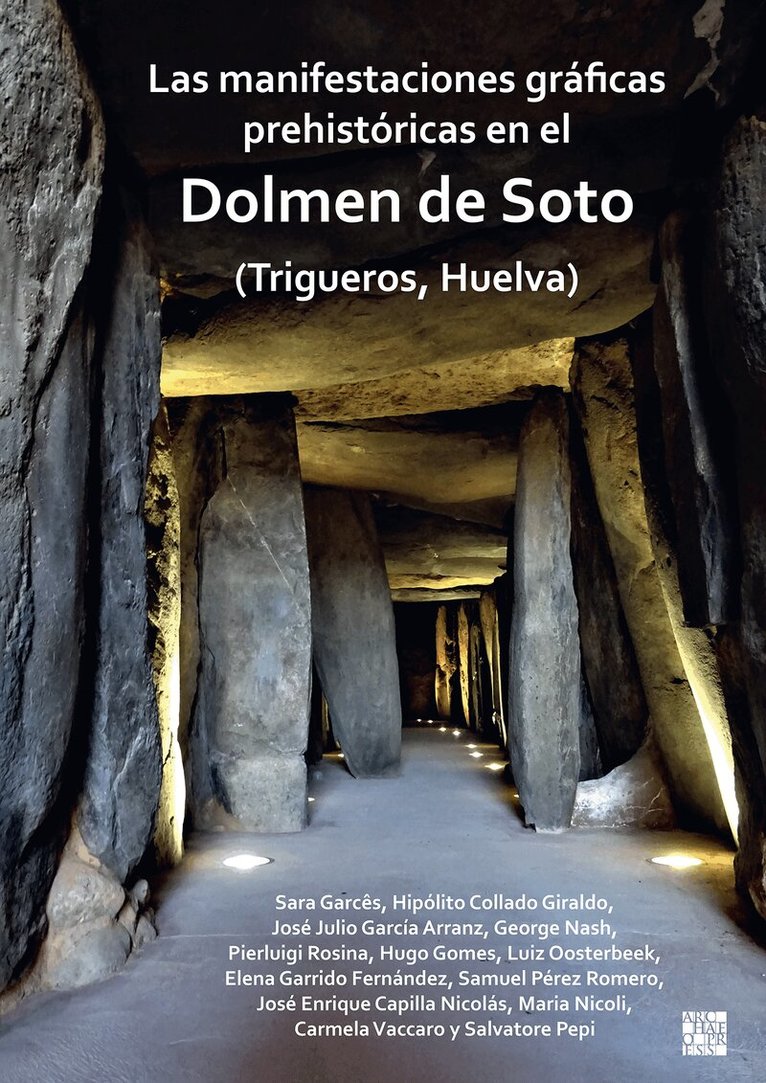
Las manifestaciones gráficas prehistóricas en el dolmen de Soto (Trigueros, Huelva)
Av Sara Garcês, Hipólito Collado Giraldo m. fl.
Häftad, 2022
715 kr
Lägg i varukorg
The Dolmen de Soto is considered one of the premier Neolithic passage graves in the Iberian Peninsula. Set within a flat fertile plain and c. 8.5km south-east of the town of Trigueros in Andalucía, this monument was in use some 5000 years ago and was part of a unique pan-Atlantic European cultural …