Sara García Santamaría - Böcker
Visar alla böcker från författaren Sara García Santamaría. Handla med fri frakt och snabb leverans.
6 produkter
6 produkter
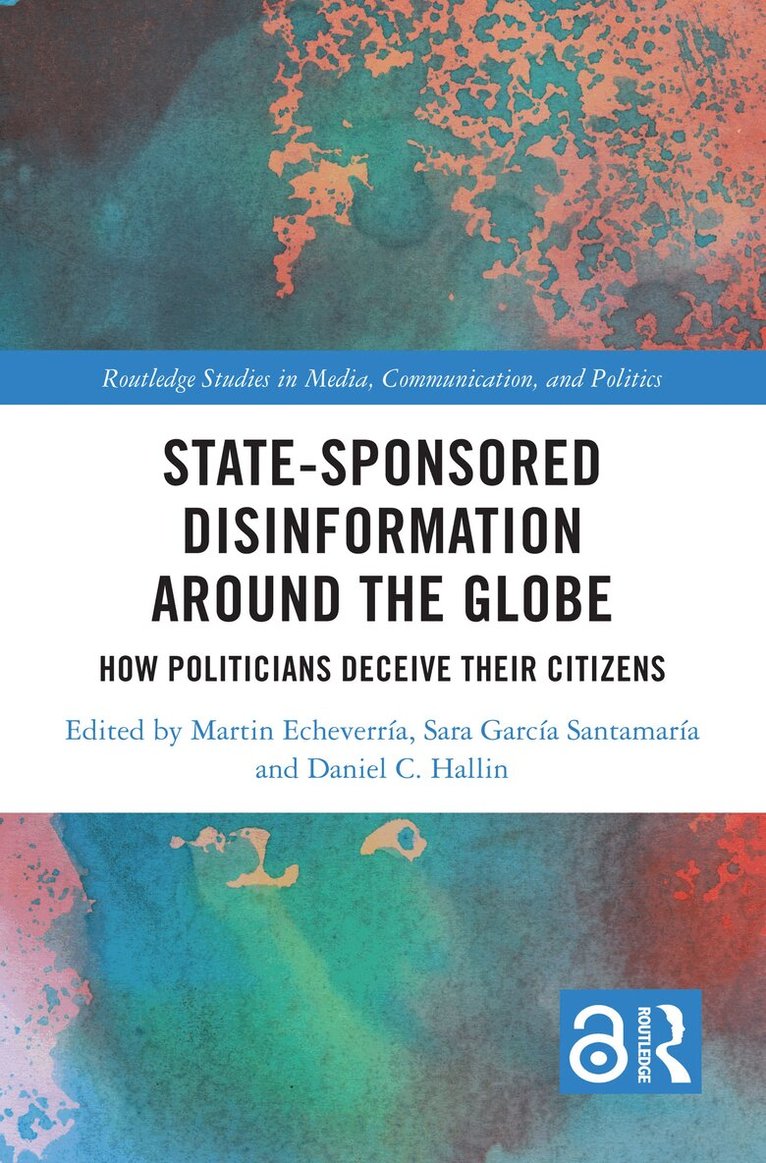
State-Sponsored Disinformation Around the Globe
How Politicians Deceive their Citizens
Inbunden, Engelska, 2024
2 171 kr
Skickas inom 10-15 vardagar
This book explores the pervasive and globalised trajectory of domestic disinformation. It describes specific operations and general apparatuses of disinformation that are sponsored by the State institutions in several countries around the world, such as governments, political parties, and politicians.With an international team of expert authors, this volume meticulously scrutinises instances of State-sponsored disinformation across a diverse spectrum of 14 countries encompassing Western and Eastern Europe, North and Latin America, Africa, Asia, and the Middle East. It examines how political landscapes amplify or constrain disinformation, advancing a comprehensive understanding of its dynamics in the contemporary global milieu. The book is organised in three sections that gather case studies from democratic, non-democratic, and transitional regimes.Advancing the field of misinformation and disinformation studies by specialising in State-sponsored operations and their consequences, this book will be an essential volume for scholars and upper-level students of media and communication studies, journalism, political communication, disinformation and misinformation, social media, sociology, and international politics.The Open Access version of this book, available at http://www.taylorfrancis.com, has been made available under a Creative Commons [Attribution-Non Commercial-No Derivatives (CC-BY-NC-ND)] 4.0 license
State-Sponsored Disinformation Around the Globe
How Politicians Deceive their Citizens
Häftad, Engelska, 2025
629 kr
Skickas inom 10-15 vardagar
This book explores the pervasive and globalised trajectory of domestic disinformation. It describes specific operations and general apparatuses of disinformation that are sponsored by the State institutions in several countries around the world, such as governments, political parties, and politicians.With an international team of expert authors, this volume meticulously scrutinises instances of State-sponsored disinformation across a diverse spectrum of 14 countries encompassing Western and Eastern Europe, North and Latin America, Africa, Asia, and the Middle East. It examines how political landscapes amplify or constrain disinformation, advancing a comprehensive understanding of its dynamics in the contemporary global milieu. The book is organised in three sections that gather case studies from democratic, non-democratic, and transitional regimes.Advancing the field of misinformation and disinformation studies by specialising in State-sponsored operations and their consequences, this book will be an essential volume for scholars and upper-level students of media and communication studies, journalism, political communication, disinformation and misinformation, social media, sociology, and international politics.The Open Access version of this book, available at http://www.taylorfrancis.com, has been made available under a Creative Commons [Attribution-Non Commercial-No Derivatives (CC-BY-NC-ND)] 4.0 license
1 267 kr
Skickas inom 5-8 vardagar
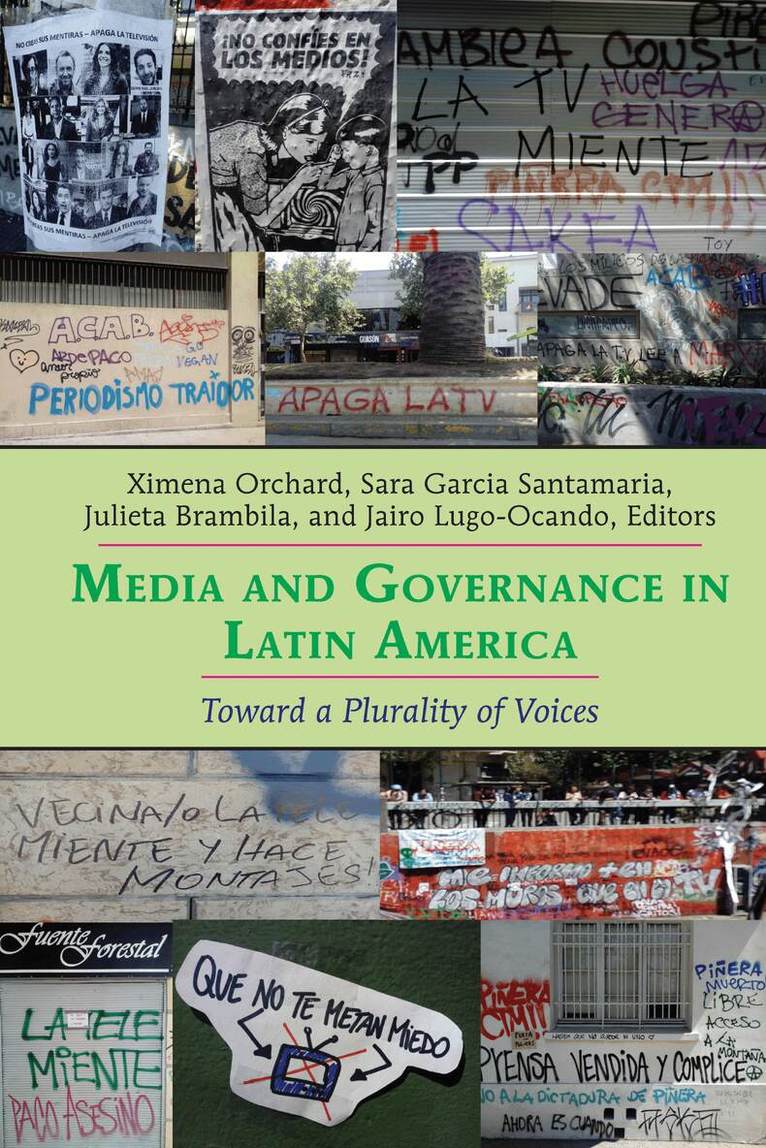
This edited book aims at bringing together a range of contemporary expertise that can shed light on the relationship between media pluralism in Latin America and processes of democratization and social justice. In doing so, the authors of the book provide empirically grounded theoretical insight into the extent to which questions about media pluralism—broadly understood as the striving for diverse and inclusive media spheres—are an essential part of scholarly debates on democratic governance.The rise in recent years of authoritarianism, populism and nationalism, both in fragile and stable democratic systems, makes media pluralism an intellectual and empirical cornerstone of any debate about the future of democratic governance around the world. This book—useful for students and researchers on topics such as Media, Communications, Latin American Studies and Politics—aims to make a contribution to such debate by approaching some pressing questions about the relationship of Latin American governments with media structures, journalistic practices, the communication capabilities of vulnerable populations and the expressive opportunities of the general public.
492 kr
Skickas inom 5-8 vardagar
This edited book aims at bringing together a range of contemporary expertise that can shed light on the relationship between media pluralism in Latin America and processes of democratization and social justice. In doing so, the authors of the book provide empirically grounded theoretical insight into the extent to which questions about media pluralism—broadly understood as the striving for diverse and inclusive media spheres—are an essential part of scholarly debates on democratic governance.The rise in recent years of authoritarianism, populism and nationalism, both in fragile and stable democratic systems, makes media pluralism an intellectual and empirical cornerstone of any debate about the future of democratic governance around the world. This book—useful for students and researchers on topics such as Media, Communications, Latin American Studies and Politics—aims to make a contribution to such debate by approaching some pressing questions about the relationship of Latin American governments with media structures, journalistic practices, the communication capabilities of vulnerable populations and the expressive opportunities of the general public.
1 049 kr
Skickas inom 10-15 vardagar
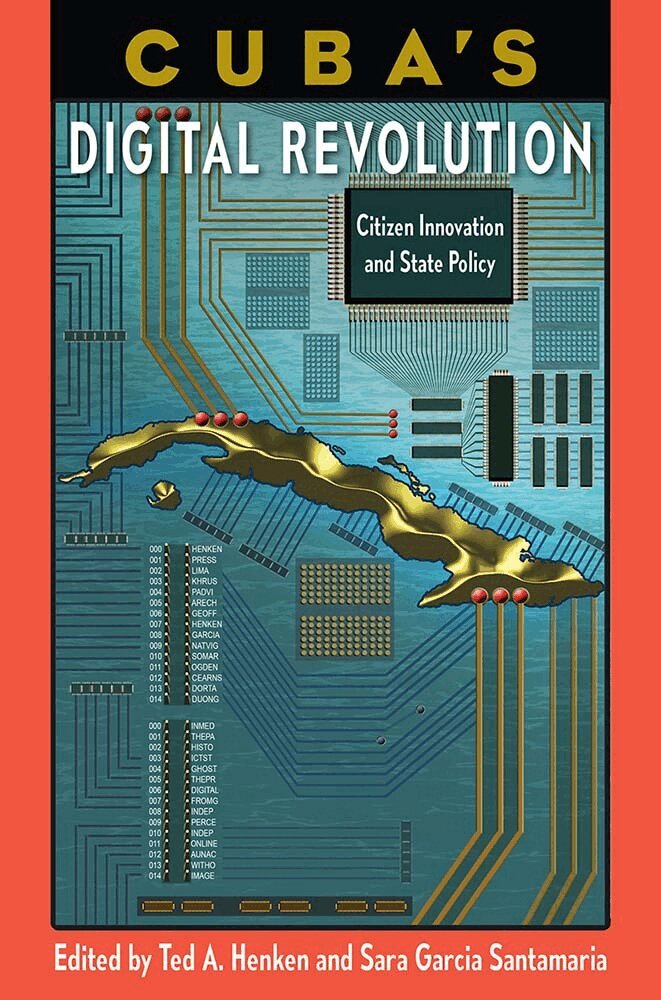
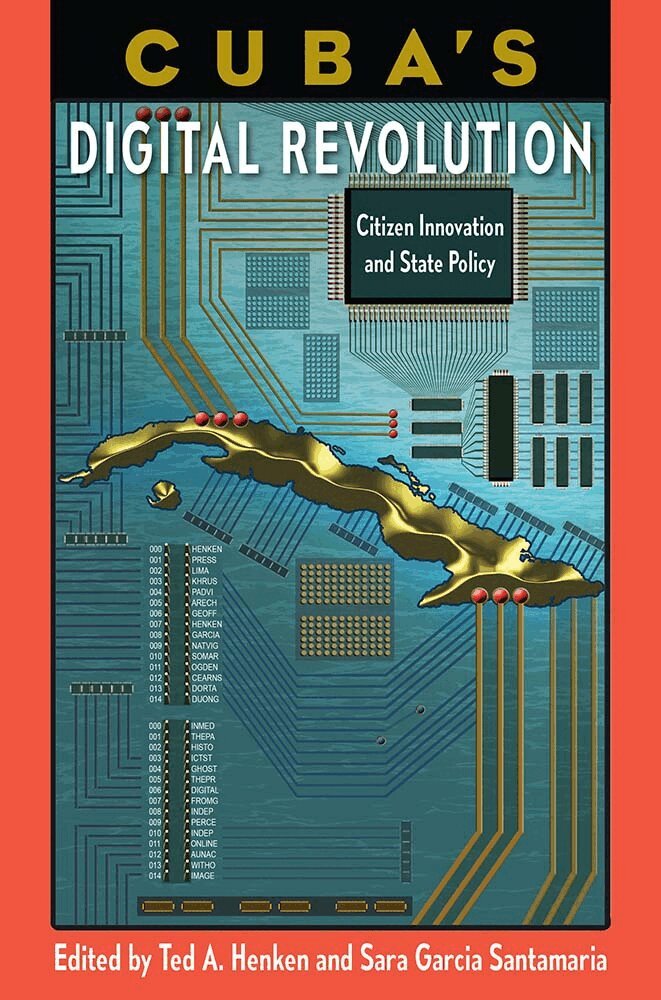
The triumph of the Cuban Revolution gave the Communist Party a monopoly over both politics and the mass media. However, with the subsequent global proliferation of new information and communication technologies, Cuban citizens have become active participants in the worldwide digital revolution. While the Cuban internet has long been characterized by censorship, high costs, slow speeds, and limited access, this volume argues that since 2013, technological developments have allowed for a fundamental reconfiguration of the cultural, economic, social, and political spheres of the Revolutionary project.The essays in this volume cover various transformations within this new digital revolution, examining both government-enabled paid public web access as well as creative workarounds that Cubans have designed to independently produce, distribute, and access digital content. Contributors trace how media ventures, entrepreneurship, online marketing, journalism, and cultural e-zines have been developing on the island alongside global technological and geopolitical changes.As Cuba continues to expand internet access and as citizens challenge state policies on the speed, breadth, and freedom of that access, Cuba's Digital Revolution provides a fascinating example of the impact of technology in authoritarian states and transitional democracies. While the streets of Cuba may still belong to Castro's Revolution, this volume argues, it is still unclear to whom Cuban cyberspace belongs.
295 kr
Skickas inom 10-15 vardagar
The triumph of the Cuban Revolution gave the Communist Party a monopoly over both politics and the mass media. However, with the subsequent global proliferation of new information and communication technologies, Cuban citizens have become active participants in the worldwide digital revolution. While the Cuban internet has long been characterized by censorship, high costs, slow speeds, and limited access, this volume argues that since 2013, technological developments have allowed for a fundamental reconfiguration of the cultural, economic, social, and political spheres of the Revolutionary project.The essays in this volume cover various transformations within this new digital revolution, examining both government-enabled paid public web access and creative workarounds that Cubans have designed to independently produce, distribute, and access digital content. Contributors trace how media ventures, entrepreneurship, online marketing, journalism, and cultural e-zines have been developing on the island alongside global technological and geopolitical changes.As Cuba continues to expand internet access and as citizens challenge state policies on the speed, breadth, and freedom of that access, Cuba’s Digital Revolution provides a fascinating example of the impact of technology in authoritarian states and transitional democracies. While the streets of Cuba may still belong to Castro’s Revolution, this volume argues that it is still unclear to whom Cuban cyberspace belongs.Contributors:Larry Press | Edel Lima Sarmiento | Olga Khrustaleva | Alexei Padilla Herrera | Eloy Viera Cañive | Marie Laure Geoffray | Ted A. Henken | Sara Garcia Santamaria | Anne Natvig | Carlos Manuel Rodríguez Arechavaleta | Mireya Márquez-Ramírez, Ph.D.| Abel Somohano Fernández | Rebecca Ogden | Jennifer Cearns | Walfrido Dorta | Paloma DuongPublication of the paperback edition made possible by a Sustaining the Humanities through the American Rescue Plan grant from the National Endowment for the Humanities.