Sara J. Tai – författare
Visar alla böcker från författaren Sara J. Tai. Handla med fri frakt och snabb leverans.
6 produkter
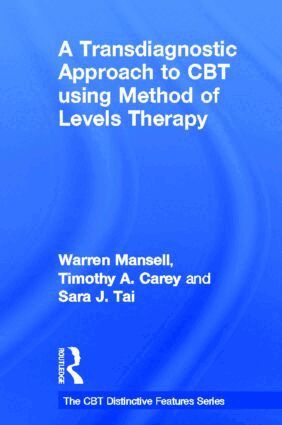
Transdiagnostic Approach to CBT using Method of Levels Therapy
Distinctive Features
Av Warren Mansell, Timothy A. Carey m. fl.
Inbunden, 2012
1882 kr
Lägg i varukorg
Cognitive Behavioural Therapy (CBT) is the treatment of choice for most mental health problems. Each different problem is usually treated by a different model of CBT. Yet evidence tells us that the same processes are responsible for long term distress in us all. This handy manual draws on evidence …
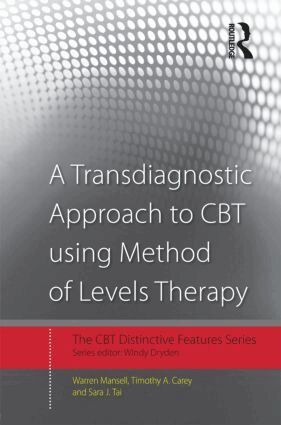
Transdiagnostic Approach to CBT using Method of Levels Therapy
Distinctive Features
Av Warren Mansell, Timothy A. Carey m. fl.
Häftad, 2012
382 kr
Lägg i varukorg
Cognitive Behavioural Therapy (CBT) is the treatment of choice for most mental health problems. Each different problem is usually treated by a different model of CBT. Yet evidence tells us that the same processes are responsible for long term distress in us all. This handy manual draws on evidence …
Transdiagnostic Approach to CBT using Method of Levels Therapy
Distinctive Features
Av Sara J. Tai, Timothy A. Carey m. fl.
E-bok, 2012
432 kr
Lägg i varukorg
Cognitive Behavioural Therapy (CBT) is the treatment of choice for most mental health problems. Each different problem is usually treated by a different model of CBT. Yet evidence tells us that the same processes are responsible for long term distress in us all. This handy manual draws on evidence …
Transdiagnostic Approach to CBT using Method of Levels Therapy
Distinctive Features
Av Sara J. Tai, Timothy A. Carey m. fl.
E-bok, 2012
446 kr
Lägg i varukorg
Cognitive Behavioural Therapy (CBT) is the treatment of choice for most mental health problems. Each different problem is usually treated by a different model of CBT. Yet evidence tells us that the same processes are responsible for long term distress in us all. This handy manual draws on evidence …
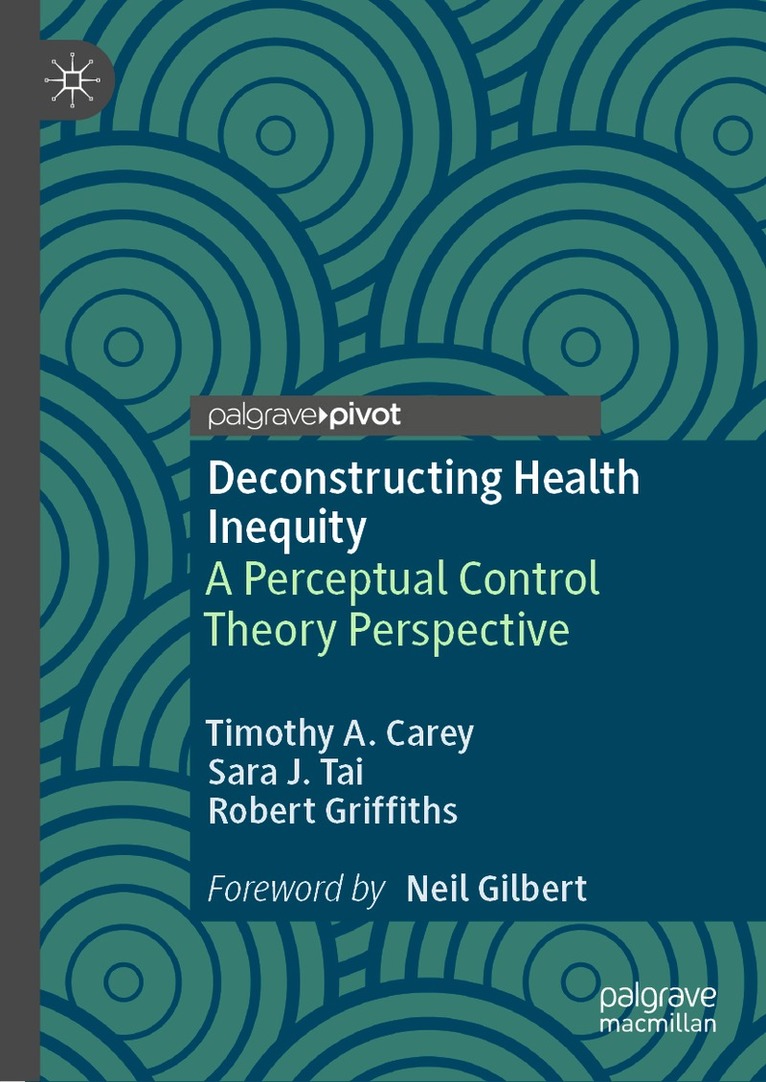
Deconstructing Health Inequity
A Perceptual Control Theory Perspective
Av Timothy A. Carey, Sara J. Tai m. fl.
Inbunden, 2021
737 kr
Lägg i varukorg
This book offers a radically different perspective on the topic of health inequity. Carey, Tai, and Griffiths use Perceptual Control Theory (PCT) to deconstruct current approaches to understanding, investigating, and addressing problems of health inequity. In the book, the authors propose that …
Deconstructing Health Inequity
A Perceptual Control Theory Perspective
Av Robert Griffiths, Sara J. Tai m. fl.
E-bok, 2021
923 kr
Lägg i varukorg
This book offers a radically different perspective on the topic of health inequity. Carey, Tai, and Griffiths use Perceptual Control Theory (PCT) to deconstruct current approaches to understanding, investigating, and addressing problems of health inequity. In the book, the authors propose that …