Sarah Benesch – författare
Considering Emotions in Critical English Language Teaching
Theories and Praxis
2 123 kr
Skickas inom 10-15 vardagar
695 kr
Skickas inom 10-15 vardagar
568 kr
Skickas inom 10-15 vardagar
2 123 kr
Skickas inom 10-15 vardagar
602 kr
Skickas inom 10-15 vardagar
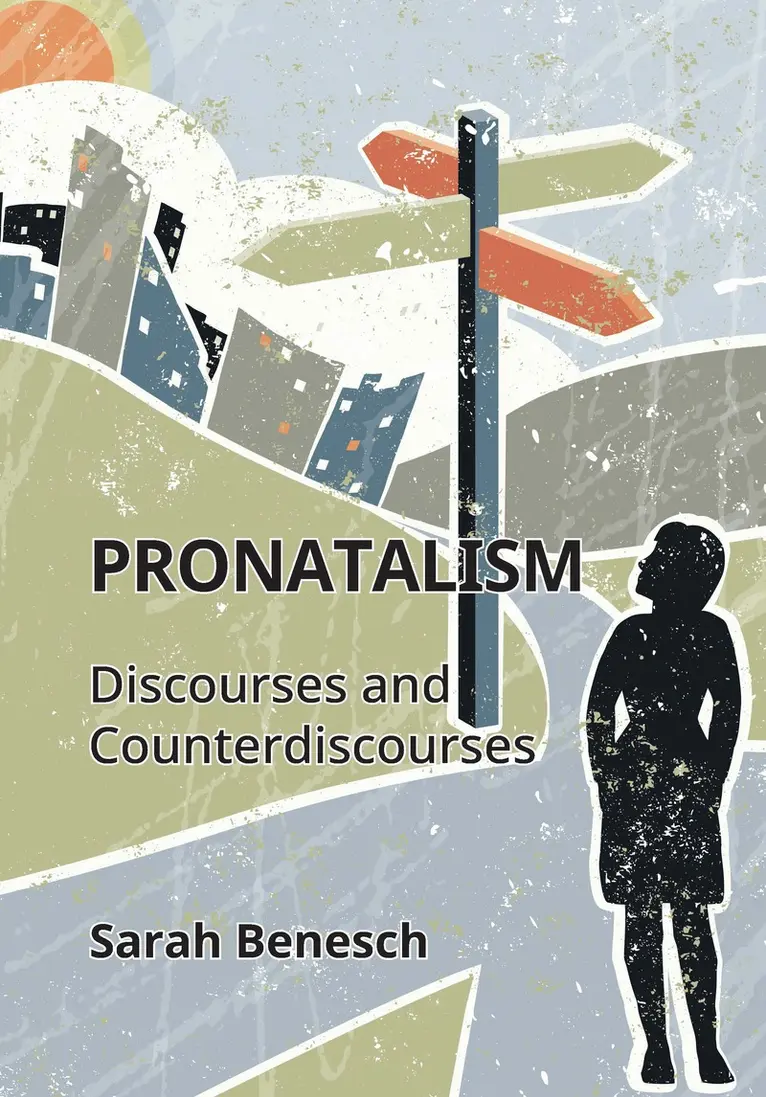
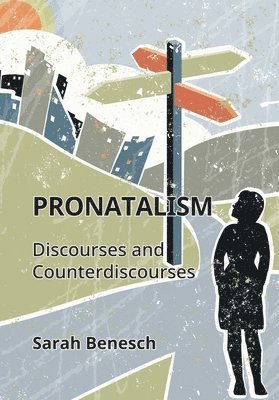
Pronatalism
Discourses and Counterdiscourses
564 kr
Kommande
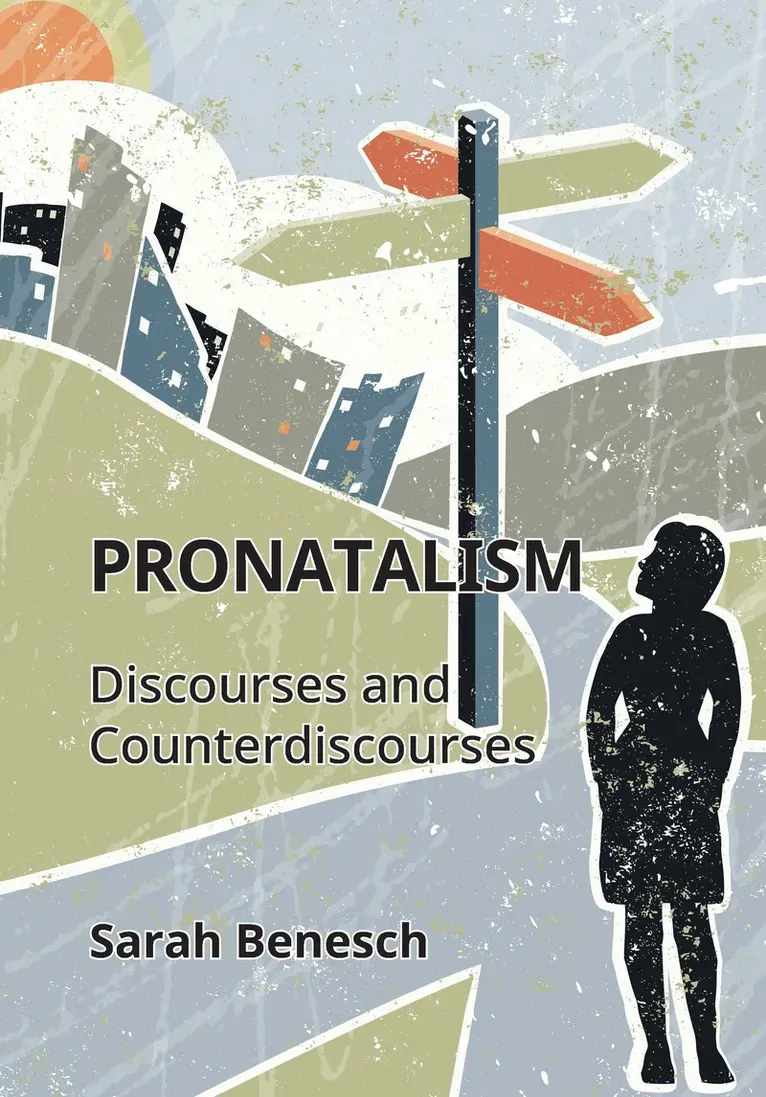
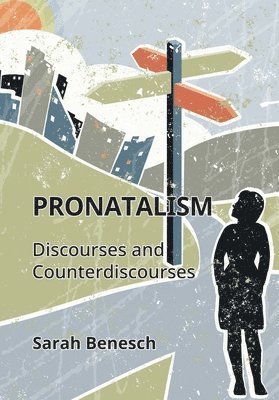
Pronatalism
Discourses and Counterdiscourses
1 101 kr
Skickas
1 512 kr
Tillfälligt slut
This book addresses a topic that until recently had been underexplored: women who voluntarily forgo having and raising children. Grounded in a discourse approach, it examines reproductive decision-making in the context of pronatalist discourses, such as ''maternal instinct'', ''biological clock'' and ''having it all'', that encourage procreation in some while discouraging it in others. To contextualize pronatalism sociohistorically, the book also examines the relationship between pro- and anti-natalist discourses that emerged during the 20th-century eugenics movement in the United States, especially its promotion of white middle-class women’s procreation while discouraging, or preventing, poor immigrant women and women of color from reproducing. Other topics include online communities devoted to childfreedom, 20th- and 21st-century women authors who wrote about their decision not to procreate, responses of academic women in the field of applied linguistics to questions about their childlessness, and a personal narrative of the author’s childlessness. The author calls for solidarity between mothers and ''nothers'' (her term for childless women) to defy the policing of women’s bodies worldwide.
1 521 kr
Tillfälligt slut
This book addresses a topic that until recently had been underexplored: women who voluntarily forgo having and raising children. Grounded in a discourse approach, it examines reproductive decision-making in the context of pronatalist discourses, such as ''maternal instinct'', ''biological clock'' and ''having it all'', that encourage procreation in some while discouraging it in others. To contextualize pronatalism sociohistorically, the book also examines the relationship between pro- and anti-natalist discourses that emerged during the 20th-century eugenics movement in the United States, especially its promotion of white middle-class women’s procreation while discouraging, or preventing, poor immigrant women and women of color from reproducing. Other topics include online communities devoted to childfreedom, 20th- and 21st-century women authors who wrote about their decision not to procreate, responses of academic women in the field of applied linguistics to questions about their childlessness, and a personal narrative of the author’s childlessness. The author calls for solidarity between mothers and ''nothers'' (her term for childless women) to defy the policing of women’s bodies worldwide.