Sarah Fiona Winters – författare
Visar alla böcker från författaren Sarah Fiona Winters. Handla med fri frakt och snabb leverans.
5 produkter
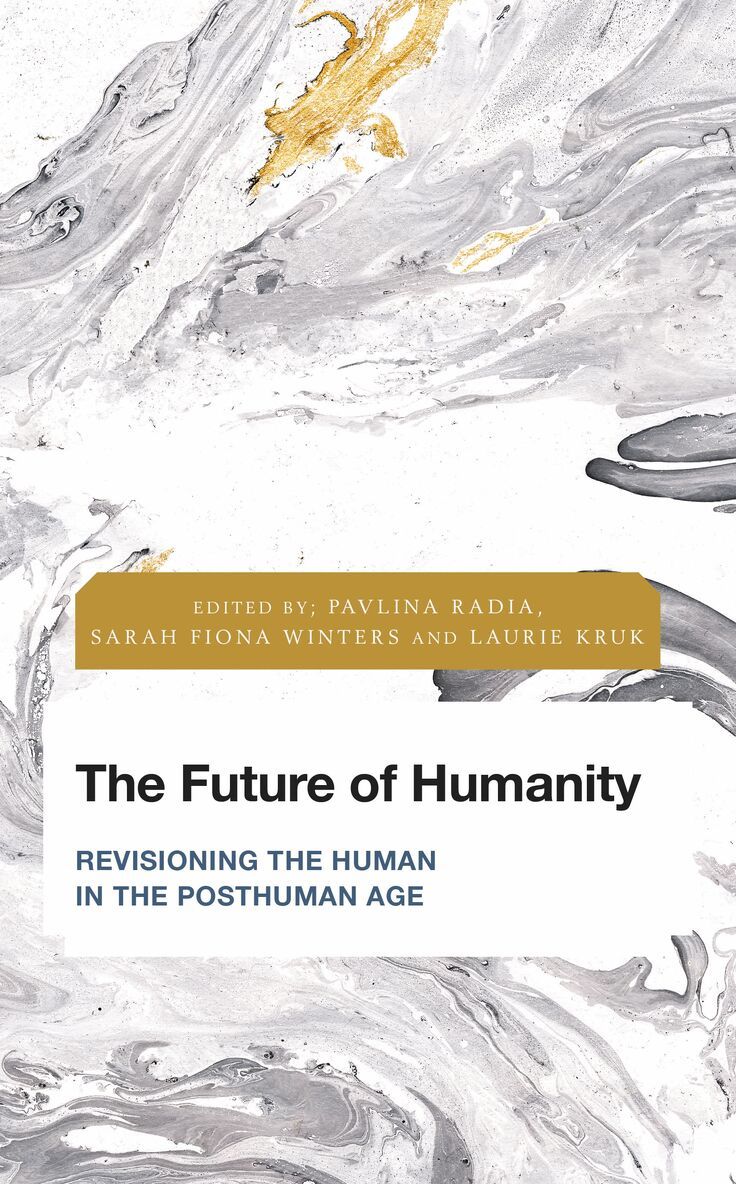
Future of Humanity
Revisioning the Human in the Posthuman Age
Av Pavlina Radia, Sarah Fiona Winters m. fl.
Häftad, 2022
459 kr
Lägg i varukorg
What is the future of humanity? What does it mean to be ‘human’ in the posthuman age? What responsibility does humankind have towards others and their environments? How are the stories that humans tell themselves implicated in the very power asymmetries and eco-political challenges that they …
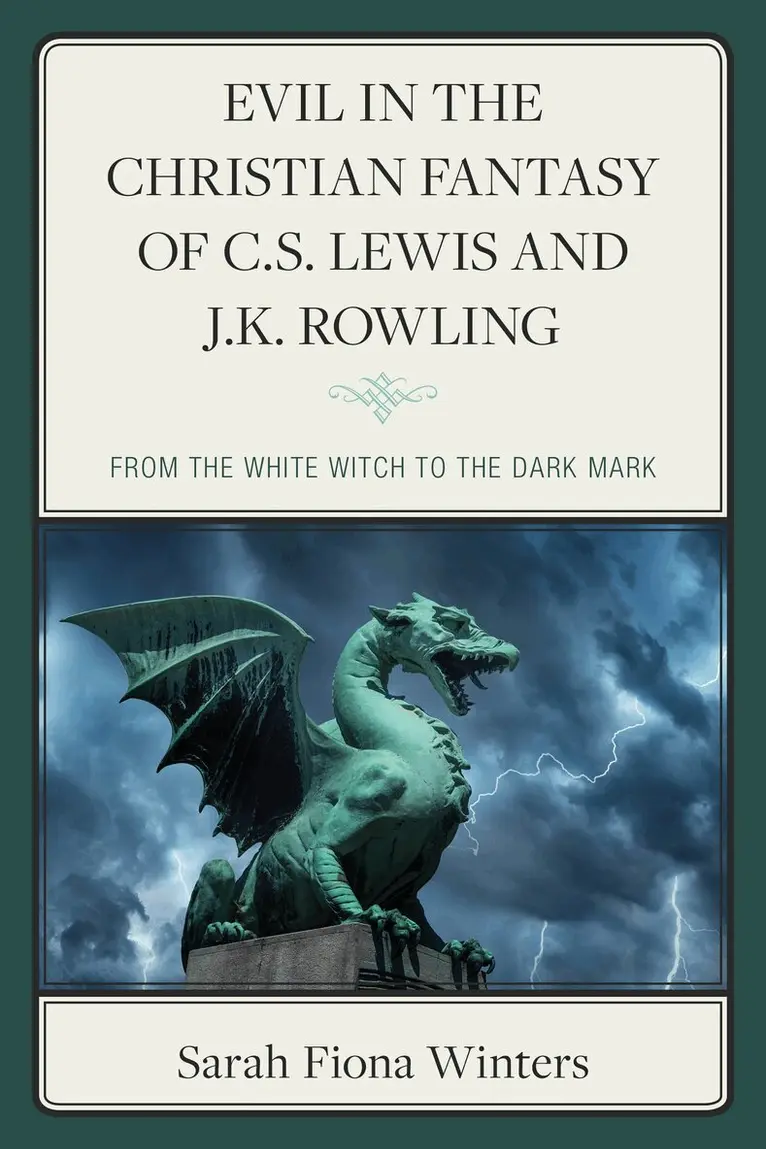
Evil in the Christian Fantasy of C.S. Lewis and J.K. Rowling
From the White Witch to the Dark Mark
Inbunden, 2024
1469 kr
Lägg i varukorg
Evil in the Christian Fantasy of C.S. Lewis and J.K. Rowling: From the White Witch to the Dark Mark argues that The Chronicles of Narnia and Harry Potter series are essential reading for anyone committed to understanding the cultural constructions of evil in twentieth-century Europe, and the …
Future of Humanity
Revisioning the Human in the Posthuman Age
Av Pavlina Radia, Sarah Fiona Winters m. fl.
Inbunden, 2019
1842 kr
Lägg i varukorg
What is the future of humanity? What does it mean to be ‘human’ in the posthuman age? What responsibility does humankind have towards others and their environments? How are the stories that humans tell themselves implicated in the very power asymmetries and eco-political challenges that they …
Future of Humanity
Revisioning the Human in the Posthuman Age
Av Pavlina Radia, Sarah Fiona Winters m. fl.
E-bok, 2019
499 kr
Lägg i varukorg
What is the future of humanity? What does it mean to be ‘human’ in the posthuman age? What responsibility does humankind have towards others and their environments? How are the stories that humans tell themselves implicated in the very power asymmetries and eco-political challenges that they …
Marvellous Codes
The Fiction of Margaret Mahy
Av E Hale, S. (Eds) Winters m. fl.
Häftad, 2005
541 kr
Tillfälligt slut