Sarah Hegenbart – författare
Visar alla böcker från författaren Sarah Hegenbart. Handla med fri frakt och snabb leverans.
11 produkter
11 produkter
Inbunden, Engelska, 2023
1 320 kr
Skickas inom 5-8 vardagar
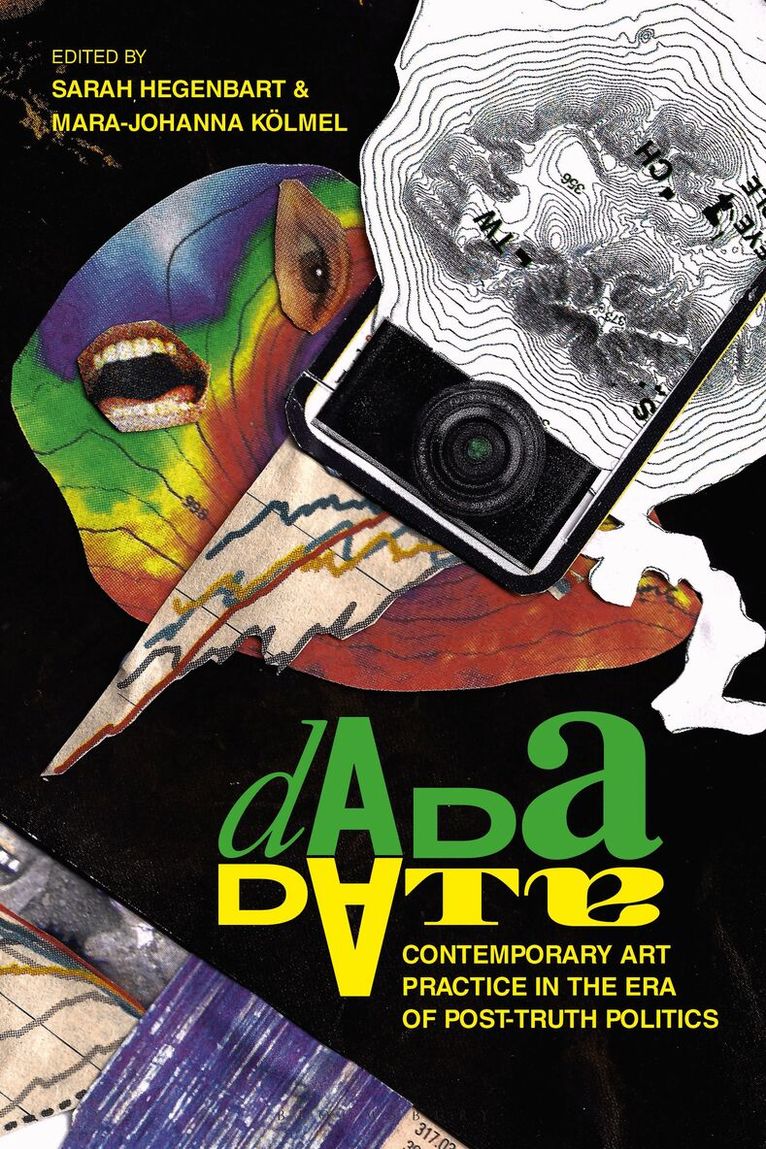
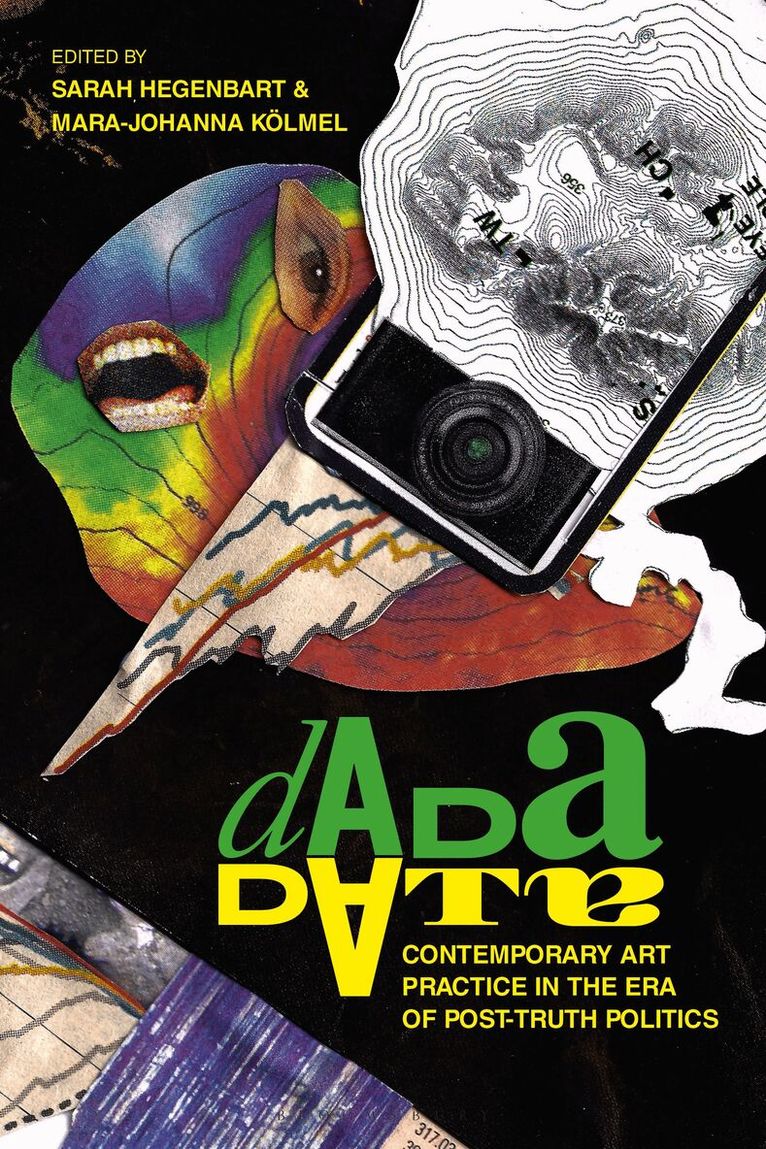
What is the relevance of Dada and its artistic strategies in our current moment, one marked by post-truth politics, information floods and big data? How can contemporary art highlight the neglected nuances of cultural representation in the present day? While it may feel like we are living in a period of anomaly with the rise of the alt-right, this book shows how the Dada movement’s artistic response to the aggressive nationalism and fascism of its time offers a fruitful analogy to our contemporary era.Dada's counter-cultural strategies, such as the distortion of reality and attacks on elites and rationality, have long been endorsed by artistic avantgardes and subcultures. Dada Data details how modern-day movements have appropriated such tactics in their ways of addressing the public both on- and offline. Bringing together contributions from interdisciplinary scholars, curators and artists working in global contexts that explore an array of artistic modes of persuasion and resistance, the book demonstrates how contemporary art can bring out neglected nuances of our post-truth moment. In linking the Dada movement’s counter-cultural activities to modern phenomena such as post-internet art, information floods and big data mining, the book collates original propaganda with diverse artwork from such figures as Hannah Höch, Paula Rego, Tschabalala Self, Sheida Soleimani and South African artists donna Kukama and Kemang Wa Lehulere. In doing so, Dada Data brings together a rich scrapbook of Dada resources and perspectives that are highly relevant to present-day political concerns.With artistic contributions by IOCOSE, donna Kukama, Kemang Wa Lehulere and Montage Mädels.
E-bok
PDF, Engelska, 2023451 kr
Läs direkt efter köp
What is the relevance of Dada and its artistic strategies in our current moment, one marked by post-truth politics, information floods and big data? How can contemporary art highlight the neglected nuances of cultural representation in the present day? While it may feel like we are living in a period of anomaly with the rise of the alt-right, this book shows how the Dada movement''s artistic response to the aggressive nationalism and fascism of its time offers a fruitful analogy to our contemporary era.Dada''s counter-cultural strategies, such as the distortion of reality and attacks on elites and rationality, have long been endorsed by artistic avantgardes and subcultures. Dada Data details how modern-day movements have appropriated such tactics in their ways of addressing the public both on- and offline. Bringing together contributions from interdisciplinary scholars, curators and artists working in global contexts that explore an array of artistic modes of persuasion and resistance, the book demonstrates how contemporary art can bring out neglected nuances of our post-truth moment. In linking the Dada movement''s counter-cultural activities to modern phenomena such as post-internet art, information floods and big data mining, the book collates original propaganda with diverse artwork from such figures as Hannah Höch, Paula Rego, Tschabalala Self, Sheida Soleimani and South African artists donna Kukama and Kemang Wa Lehulere. In doing so, Dada Data brings together a rich scrapbook of Dada resources and perspectives that are highly relevant to present-day political concerns.With artistic contributions by IOCOSE, donna Kukama, Kemang Wa Lehulere and Montage Mädels.
E-bok
Engelska, 2023451 kr
Läs direkt efter köp
What is the relevance of Dada and its artistic strategies in our current moment, one marked by post-truth politics, information floods and big data? How can contemporary art highlight the neglected nuances of cultural representation in the present day? While it may feel like we are living in a period of anomaly with the rise of the alt-right, this book shows how the Dada movement''s artistic response to the aggressive nationalism and fascism of its time offers a fruitful analogy to our contemporary era.Dada''s counter-cultural strategies, such as the distortion of reality and attacks on elites and rationality, have long been endorsed by artistic avantgardes and subcultures. Dada Data details how modern-day movements have appropriated such tactics in their ways of addressing the public both on- and offline. Bringing together contributions from interdisciplinary scholars, curators and artists working in global contexts that explore an array of artistic modes of persuasion and resistance, the book demonstrates how contemporary art can bring out neglected nuances of our post-truth moment. In linking the Dada movement''s counter-cultural activities to modern phenomena such as post-internet art, information floods and big data mining, the book collates original propaganda with diverse artwork from such figures as Hannah Höch, Paula Rego, Tschabalala Self, Sheida Soleimani and South African artists donna Kukama and Kemang Wa Lehulere. In doing so, Dada Data brings together a rich scrapbook of Dada resources and perspectives that are highly relevant to present-day political concerns.With artistic contributions by IOCOSE, donna Kukama, Kemang Wa Lehulere and Montage Mädels.
Häftad, Engelska, 2024
428 kr
Skickas inom 10-15 vardagar
What is the relevance of Dada and its artistic strategies in our current moment, one marked by post-truth politics, information floods and big data? How can contemporary art highlight the neglected nuances of cultural representation in the present day? While it may feel like we are living in a period of anomaly with the rise of the alt-right, this book shows how the Dada movement’s artistic response to the aggressive nationalism and fascism of its time offers a fruitful analogy to our contemporary era.Dada's counter-cultural strategies, such as the distortion of reality and attacks on elites and rationality, have long been endorsed by artistic avantgardes and subcultures. Dada Data details how modern-day movements have appropriated such tactics in their ways of addressing the public both on- and offline. Bringing together contributions from interdisciplinary scholars, curators and artists working in global contexts that explore an array of artistic modes of persuasion and resistance, the book demonstrates how contemporary art can bring out neglected nuances of our post-truth moment. In linking the Dada movement’s counter-cultural activities to modern phenomena such as post-internet art, information floods and big data mining, the book collates original propaganda with diverse artwork from such figures as Hannah Höch, Paula Rego, Tschabalala Self, Sheida Soleimani and South African artists donna Kukama and Kemang Wa Lehulere. In doing so, Dada Data brings together a rich scrapbook of Dada resources and perspectives that are highly relevant to present-day political concerns.With artistic contributions by IOCOSE, donna Kukama, Kemang Wa Lehulere and Montage Mädels.
Inbunden, Engelska, 2024
1 251 kr
Skickas inom 5-8 vardagar
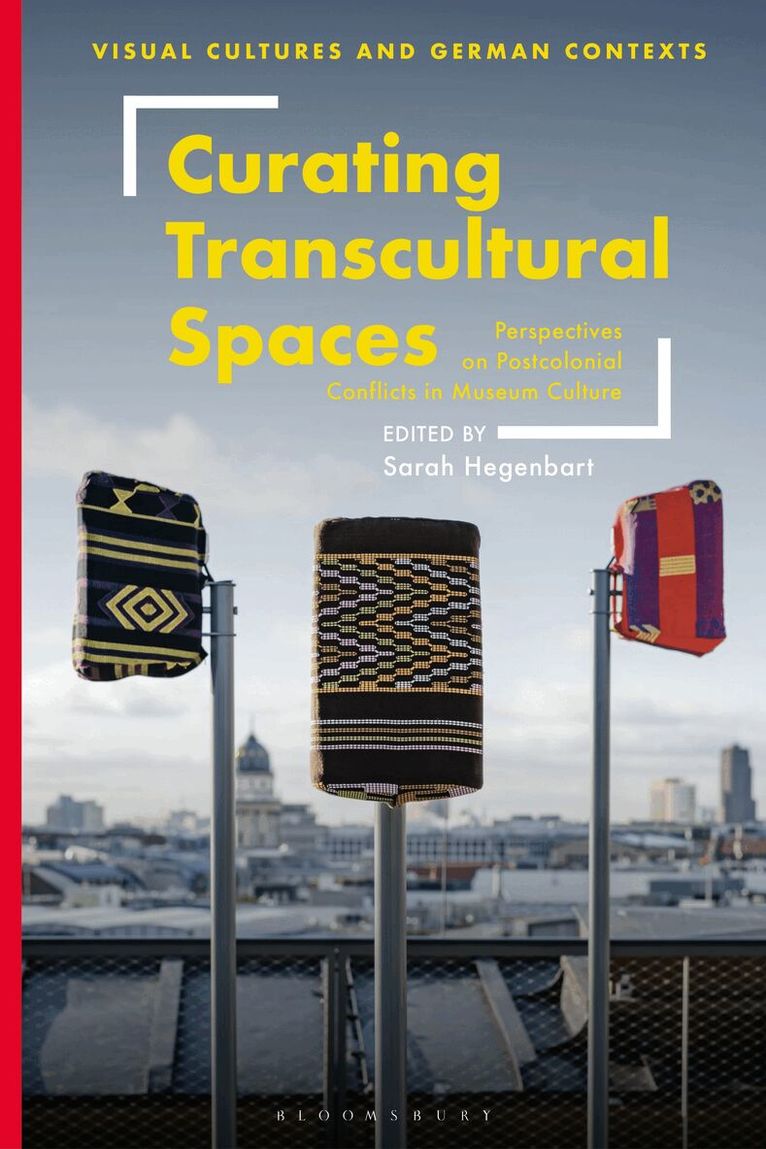
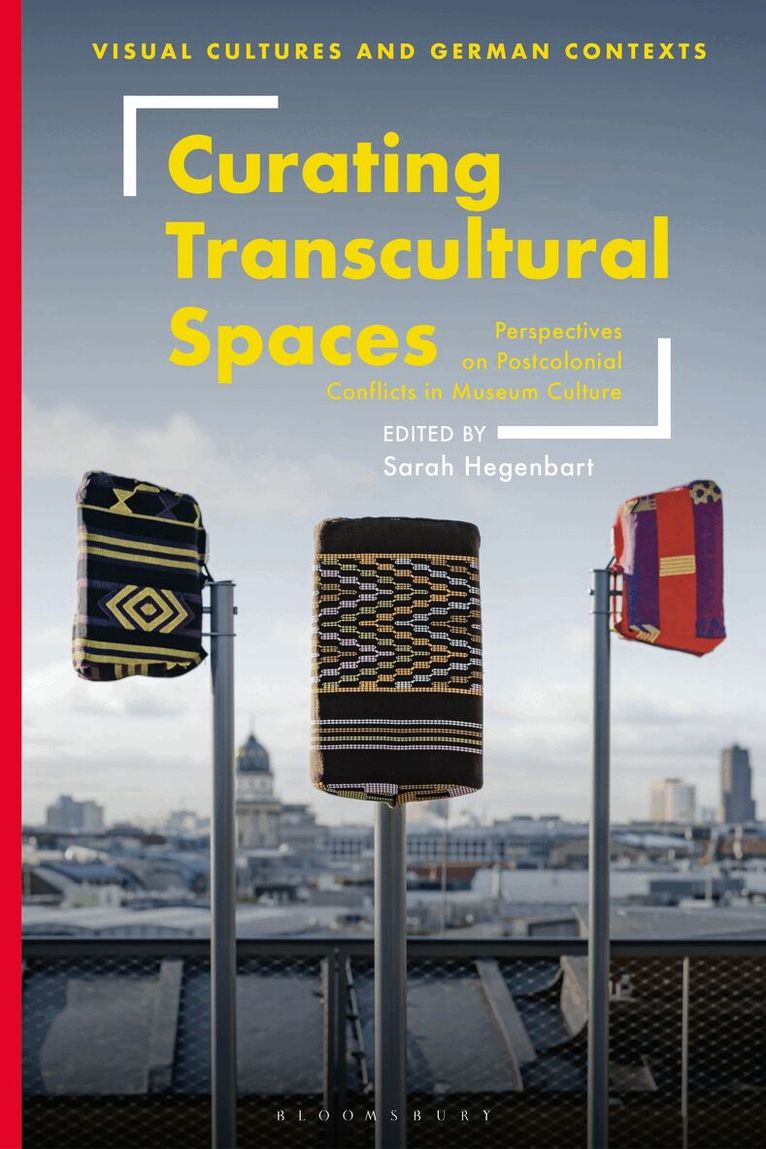
Curating Transcultural Spaces asks what a museum which enables the presentation of multiple perspectives might look like. Can identity be global and local at the same time? How may one curate dual identity? More broadly, what is the link between the arts and processes of identity construction? This volume, an indispensable source for the process of engaging with colonial history in Germany and beyond, takes its starting point from the 'scandal' of the Humboldt Forum. The transfer of German state collections from the Ethnological Museum and the Museum for Asian Art, located at the margins of Berlin in Dahlem, into the centre of Germany's capital indicates the nation’s aspiration of purported multiculturalism and cosmopolitanism; yet the project’s resurrection of the site’s former Prussian city palace, which was demolished during the GDR, stands in opposition to its very mission, given that the Prussian rulers benefited from colonial exploitation. By examining the contrasting successes of other projects, such as the National Museum of African American History and Culture in Washington DC, Curating Transcultural Spaces compellingly argues for the necessity of taking post-colonial thinking on board in the construction of museum spaces in order to generate genuine exchange between multiple perspectives.
E-bok
PDF, Engelska, 2024436 kr
Läs direkt efter köp
Curating Transcultural Spaces asks what a museum which enables the presentation of multiple perspectives might look like. Can identity be global and local at the same time? How may one curate dual identity? More broadly, what is the link between the arts and processes of identity construction? This volume, an indispensable source for the process of engaging with colonial history in Germany and beyond, takes its starting point from the ''scandal'' of the Humboldt Forum. The transfer of German state collections from the Ethnological Museum and the Museum for Asian Art, located at the margins of Berlin in Dahlem, into the centre of Germany''s capital indicates the nation''s aspiration of purported multiculturalism and cosmopolitanism; yet the project''s resurrection of the site''s former Prussian city palace, which was demolished during the GDR, stands in opposition to its very mission, given that the Prussian rulers benefited from colonial exploitation. By examining the contrasting successes of other projects, such as the National Museum of African American History and Culture in Washington DC, Curating Transcultural Spaces compellingly argues for the necessity of taking post-colonial thinking on board in the construction of museum spaces in order to generate genuine exchange between multiple perspectives.
E-bok
Engelska, 2024436 kr
Läs direkt efter köp
Curating Transcultural Spaces asks what a museum which enables the presentation of multiple perspectives might look like. Can identity be global and local at the same time? How may one curate dual identity? More broadly, what is the link between the arts and processes of identity construction? This volume, an indispensable source for the process of engaging with colonial history in Germany and beyond, takes its starting point from the ''scandal'' of the Humboldt Forum. The transfer of German state collections from the Ethnological Museum and the Museum for Asian Art, located at the margins of Berlin in Dahlem, into the centre of Germany''s capital indicates the nation''s aspiration of purported multiculturalism and cosmopolitanism; yet the project''s resurrection of the site''s former Prussian city palace, which was demolished during the GDR, stands in opposition to its very mission, given that the Prussian rulers benefited from colonial exploitation. By examining the contrasting successes of other projects, such as the National Museum of African American History and Culture in Washington DC, Curating Transcultural Spaces compellingly argues for the necessity of taking post-colonial thinking on board in the construction of museum spaces in order to generate genuine exchange between multiple perspectives.
Häftad, Engelska, 2025
414 kr
Skickas inom 10-15 vardagar
Curating Transcultural Spaces asks what a museum which enables the presentation of multiple perspectives might look like. Can identity be global and local at the same time? How may one curate dual identity? More broadly, what is the link between the arts and processes of identity construction? This volume, an indispensable source for the process of engaging with colonial history in Germany and beyond, takes its starting point from the 'scandal' of the Humboldt Forum. The transfer of German state collections from the Ethnological Museum and the Museum for Asian Art, located at the margins of Berlin in Dahlem, into the centre of Germany's capital indicates the nation’s aspiration of purported multiculturalism and cosmopolitanism; yet the project’s resurrection of the site’s former Prussian city palace, which was demolished during the GDR, stands in opposition to its very mission, given that the Prussian rulers benefited from colonial exploitation. By examining the contrasting successes of other projects, such as the National Museum of African American History and Culture in Washington DC, Curating Transcultural Spaces compellingly argues for the necessity of taking post-colonial thinking on board in the construction of museum spaces in order to generate genuine exchange between multiple perspectives.
Inbunden, Tyska, 2025
1 451 kr
Skickas inom 3-6 vardagar
E-bok
PDF, Engelska, 2021307 kr
Läs direkt efter köp
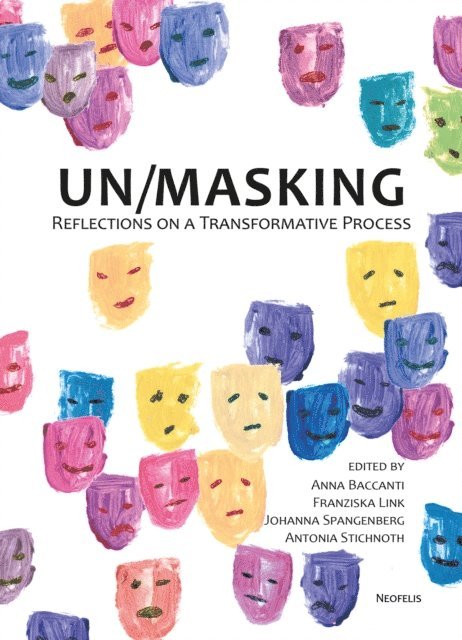
This volume looks at masking and unmasking as indivisible aspects of the same process. It gathers articles from a wide range of disciplines and addresses un/masking both as a historical and a contemporary phenomenon. By highlighting the performative dimensions of un/masking, it challenges dichotomies like depth and surface, authenticity and deception, that play a central role in masks being commonly associated with illusion and dissimulation.The contributions explore topics such as the relationship between face, mask, and identity in artistic contexts ranging from Surrealist photography to video installations and from Modernist poetry to fin-de-siècle cabaret theater. They investigate un/masking as a process of transition and transformation – be it in the case of the wooden masks of the First Nations of the American Northwest Coast or of the elaborate costumes and vocal masking of pop icon Lady Gaga.In all of these instances, the act of un/masking has the power to simultaneously hide and reveal. It destabilizes supposedly fixed identities and blurs the lines between the self and the other, the visible and the invisible. The volume offers new perspectives on current debates surrounding issues such as protective masks in public spaces, facial recognition technologies, and colonial legacies in monuments and museums, offering insight into what the act of un/masking can mean today.With contributions by Laurette Burgholzer, Joyce Cheng, Sarah Hegenbart, Bethan Hughes, Judith Kemp, Christiane Lewe, W. Anthony Sheppard, Bernhard Siegert, Anja Wächter, and Eleonore Zapf.
Häftad, Engelska, 2022
927 kr
Skickas inom 5-8 vardagar
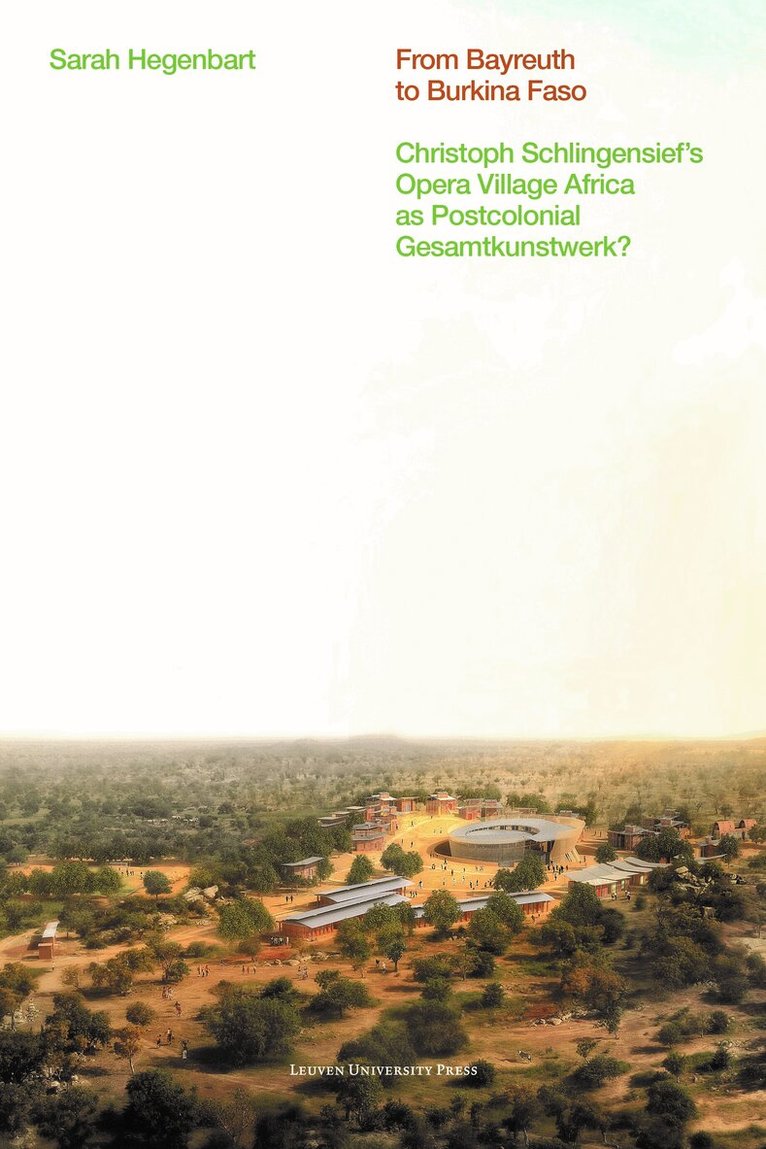
Opera Village, a participatory art experiment by the late German multimedia artist Christoph Schlingensief, serves as a testing ground for a critical interrogation of Richard Wagner's notion of the Gesamtkunstwerk. Sarah Hegenbart traces the path from Wagner's introduction of the Gesamtkunstwerk in Bayreuth to Schlingensief's attempt to charge the idea of the total artwork with new meaning by transposing it to the West African country Burkina Faso. Schlingensief developed Opera Village in collaboration with the world-renowned architect Francis Kere. This final project of Schlingensief is inspired by and illuminates the diverse themes that informed his artistic practice, including coming to terms with the German past, anti-Semitism, critical race theory, and questions of postcolonial (self-)criticism.From Bayreuth to Burkina Faso introduces the notion of the postcolonial Gesamtkunstwerk to disrupt the Eurocentric perspective on art history, exploring how the socio-political force of a postcolonial Gesamtkunstwerk could affect processes of transcultural identity construction. It reveals how Schlingensief translocated the Wagnerian concept to Burkina Faso to address German colonial history and engage with it from the perspective of multidirectional memory cultures.