Sarah Hopkyns – författare
Visar alla böcker från författaren Sarah Hopkyns. Handla med fri frakt och snabb leverans.
11 produkter
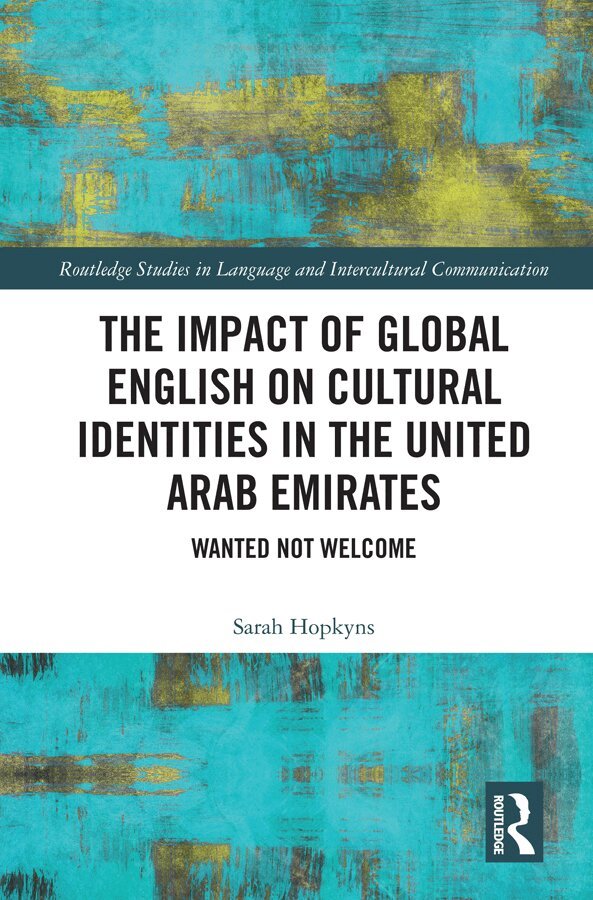
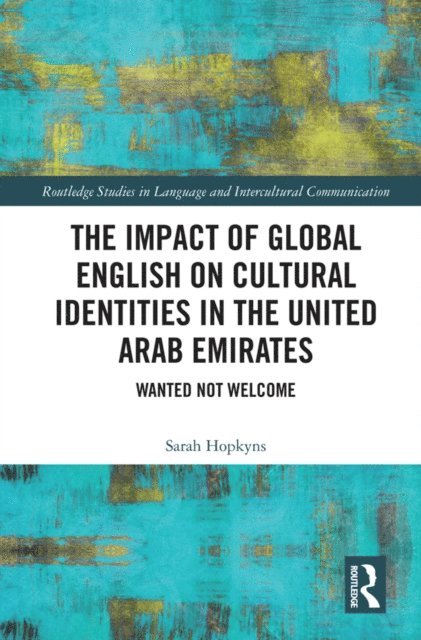
Impact of Global English on Cultural Identities in the United Arab Emirates
Wanted not Welcome
Inbunden, 2020
2586 kr
Lägg i varukorg
This book provides a nuanced portrait of the complexities found within the cultural and linguistic landscape of the United Arab Emirates, unpacking the ever-shifting dynamics between English and Arabic in today’s era of superdiversity. Employing a qualitative phenomenological approach which draws …
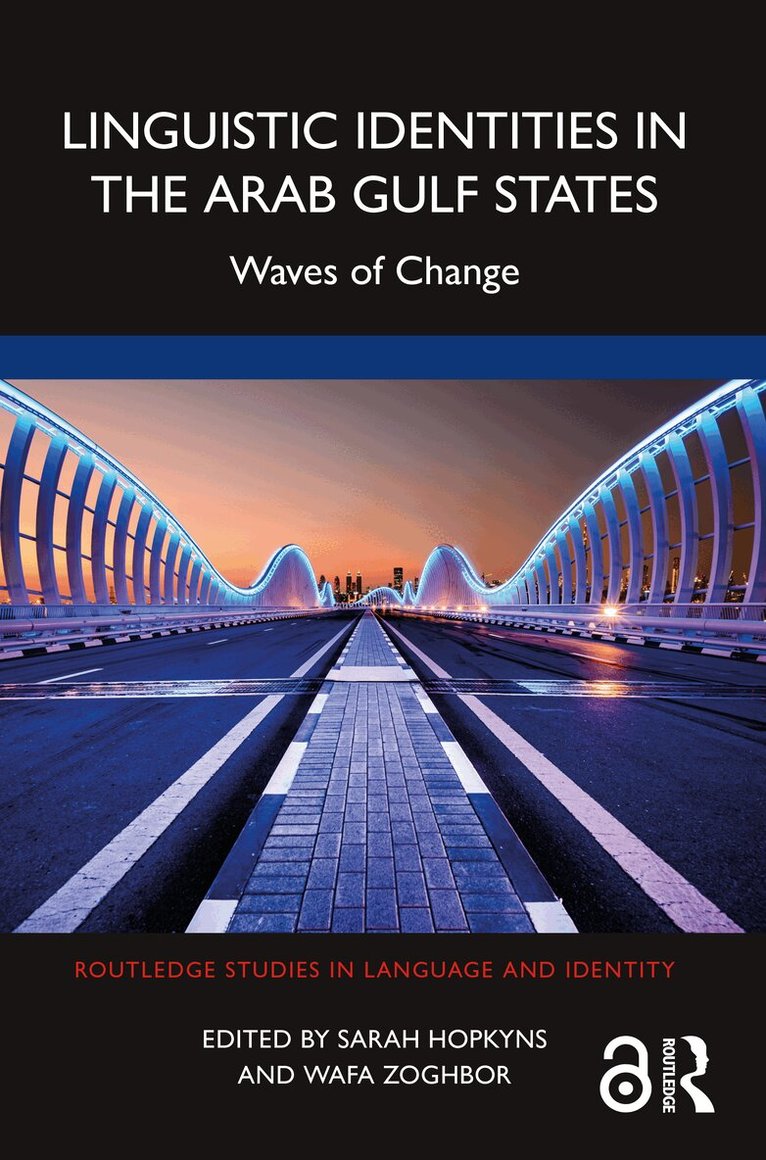
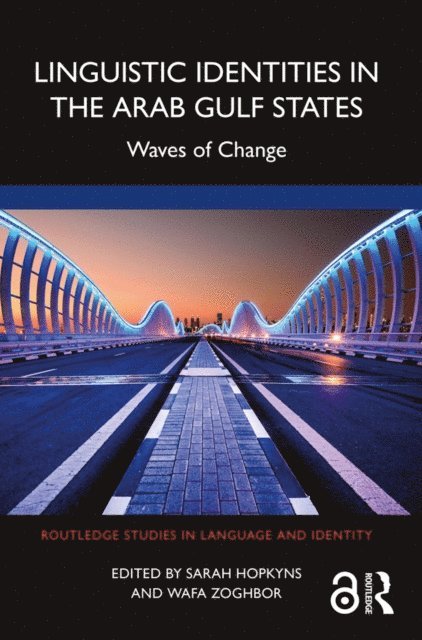
Linguistic Identities in the Arab Gulf States
Waves of Change
Av Sarah Hopkyns, Wafa Zoghbor
Häftad, 2022
726 kr
Lägg i varukorg
Combining empirical and theoretical approaches from a range of disciplines, Linguistic Identities in the Arab Gulf States examines current issues surrounding language and identity in the Arab Gulf states. Organized in four parts, the book addresses the overarching theme of ‘waves of change’ in …
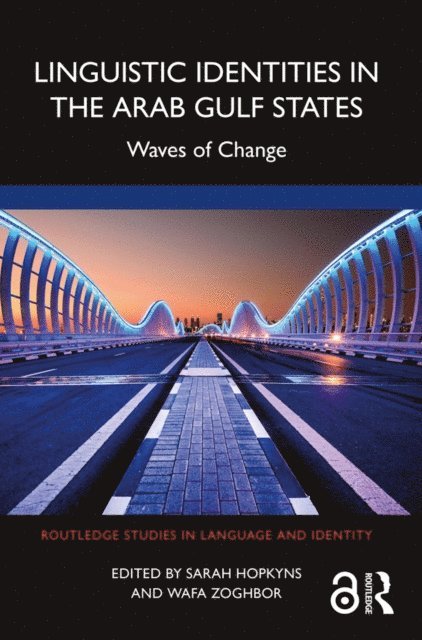
Linguistic Identities in the Arab Gulf States
Waves of Change
Av Sarah Hopkyns, Wafa Zoghbor
Inbunden, 2022
2879 kr
Lägg i varukorg
Combining empirical and theoretical approaches from a range of disciplines, Linguistic Identities in the Arab Gulf States examines current issues surrounding language and identity in the Arab Gulf states. Organized in four parts, the book addresses the overarching theme of ‘waves of change’ in …
Impact of Global English on Cultural Identities in the United Arab Emirates
Wanted not Welcome
E-bok, 2020
856 kr
Lägg i varukorg
This book provides a nuanced portrait of the complexities found within the cultural and linguistic landscape of the United Arab Emirates, unpacking the ever-shifting dynamics between English and Arabic in today’s era of superdiversity. Employing a qualitative phenomenological approach which draws …
Impact of Global English on Cultural Identities in the United Arab Emirates
Wanted not Welcome
E-bok, 2020
808 kr
Lägg i varukorg
This book provides a nuanced portrait of the complexities found within the cultural and linguistic landscape of the United Arab Emirates, unpacking the ever-shifting dynamics between English and Arabic in today’s era of superdiversity. Employing a qualitative phenomenological approach which draws …
Linguistic Identities in the Arab Gulf States
Waves of Change
Av Wafa Zoghbor, Sarah Hopkyns
E-bok, 2022
696 kr
Lägg i varukorg
Combining empirical and theoretical approaches from a range of disciplines, Linguistic Identities in the Arab Gulf States examines current issues surrounding language and identity in the Arab Gulf states. Organized in four parts, the book addresses the overarching theme of ‘waves of change’ in …
Linguistic Identities in the Arab Gulf States
Waves of Change
Av Wafa Zoghbor, Sarah Hopkyns
E-bok, 2022
696 kr
Lägg i varukorg
Combining empirical and theoretical approaches from a range of disciplines, Linguistic Identities in the Arab Gulf States examines current issues surrounding language and identity in the Arab Gulf states. Organized in four parts, the book addresses the overarching theme of ‘waves of change’ in …
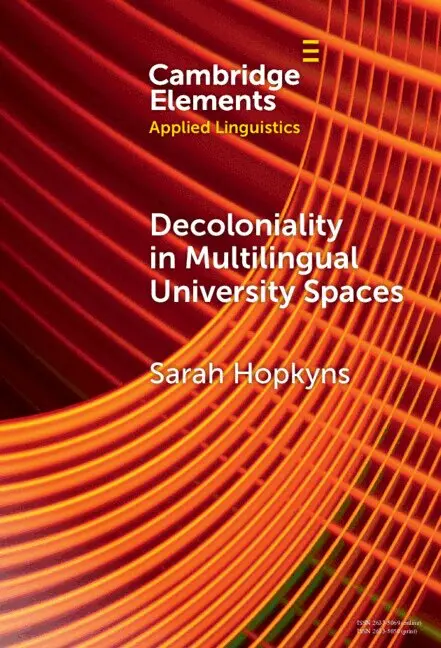
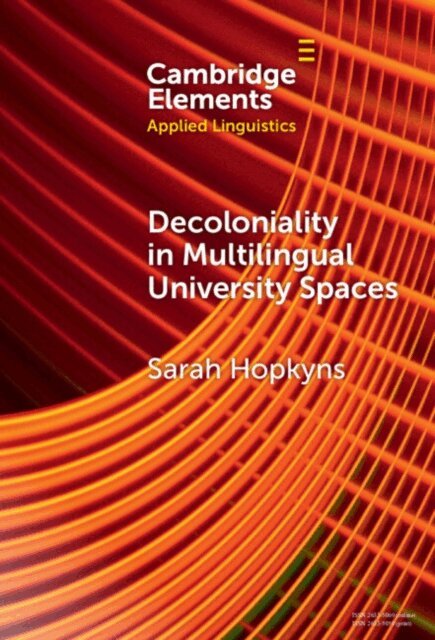
Decoloniality in Multilingual University Spaces
Inbunden, 2026
911 kr
Lägg i varukorg
This Element explores multilingual university spaces and decoloniality, critically examining how coloniality and neoliberalism intersect. While neoliberal language policies aim to equip students with English as a 'lingua academia', critical issues relating to students' translingual identities and …
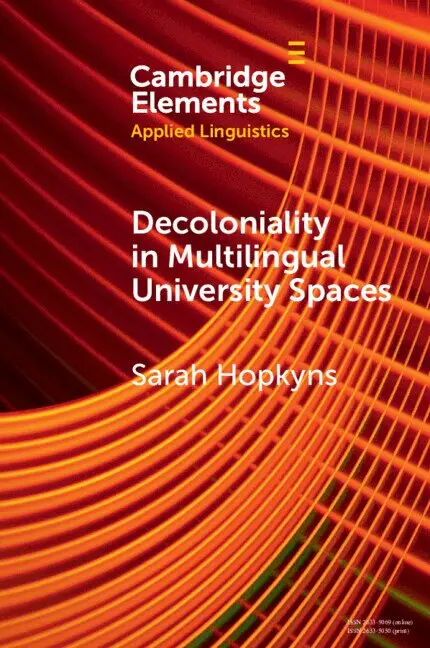
Decoloniality in Multilingual University Spaces
Häftad, 2026
308 kr
Lägg i varukorg
This Element explores multilingual university spaces and decoloniality, critically examining how coloniality and neoliberalism intersect. While neoliberal language policies aim to equip students with English as a 'lingua academia', critical issues relating to students' translingual identities and …
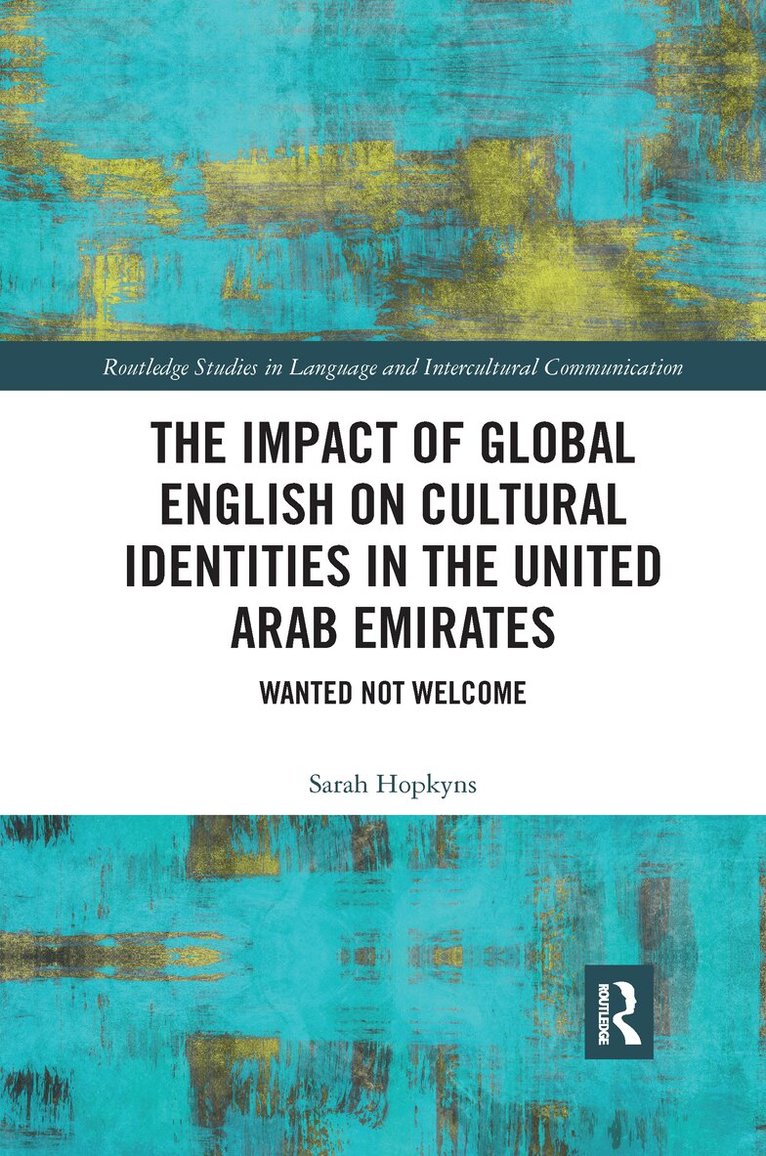
Impact of Global English on Cultural Identities in the United Arab Emirates
Wanted not Welcome
Häftad, 2022
704 kr
Lägg i varukorg
This book provides a nuanced portrait of the complexities found within the cultural and linguistic landscape of the United Arab Emirates, unpacking the ever-shifting dynamics between English and Arabic in today’s era of superdiversity. Employing a qualitative phenomenological approach which draws …