Sarah J. Jackson – författare
Visar alla böcker från författaren Sarah J. Jackson. Handla med fri frakt och snabb leverans.
6 produkter
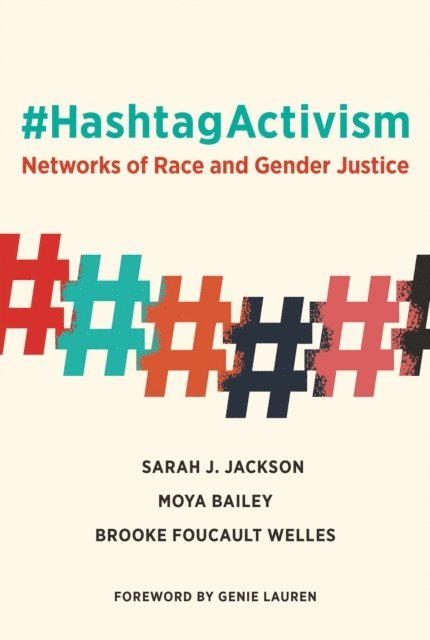
#HashtagActivism
Av Brooke Foucault Welles, Moya Bailey m. fl.
E-bok, 2020
246 kr
Lägg i varukorg
How marginalized groups use Twitter to advance counter-narratives, preempt political spin, and build diverse networks of dissent. The power of hashtag activism became clear in 2011, when #IranElection served as an organizing tool for Iranians protesting a disputed election and offered a global …
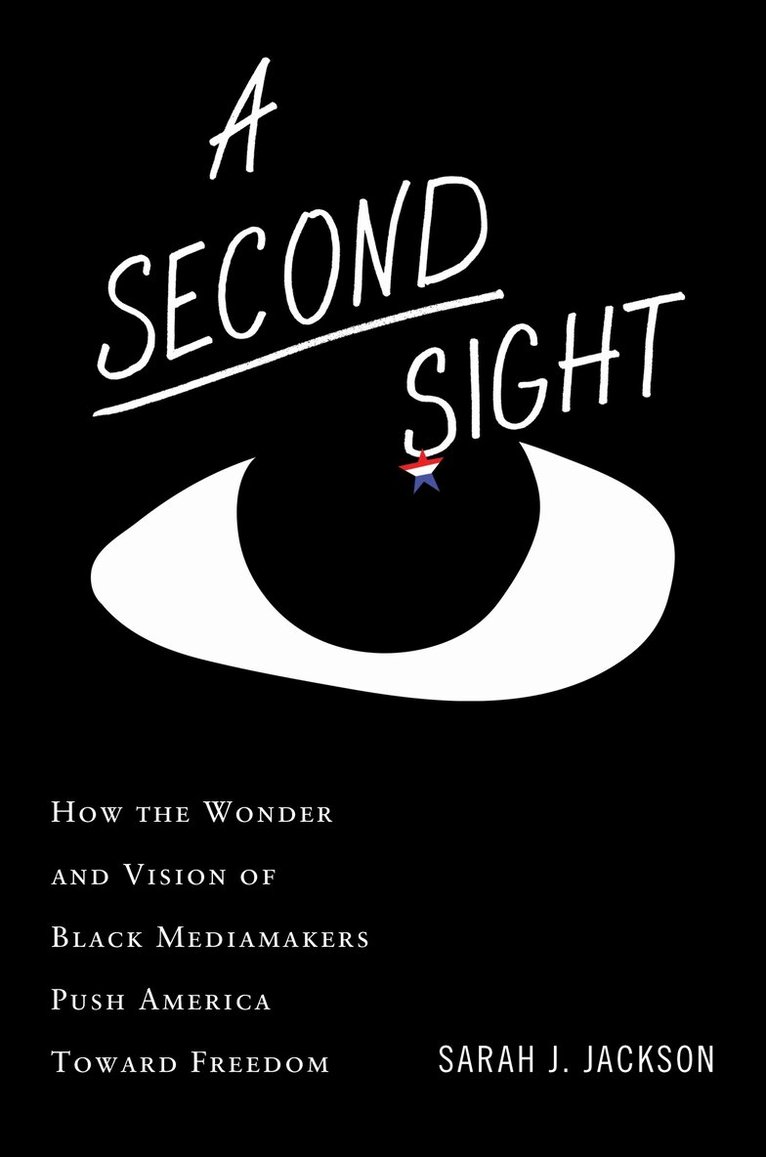
Second Sight
How the Wonder and Vision of Black Mediamakers Push America Toward Freedom
Inbunden, 2026
387 kr
Lägg i varukorg
Since the nation’s founding, Black Americans have had a unique perspective on the U.S. experience—a “second sight”—that reveals the truth about the nation to itself. As renowned media scholar Sarah J. Jackson charts in this bold and daring masterwork, at the center of this effort has been an …
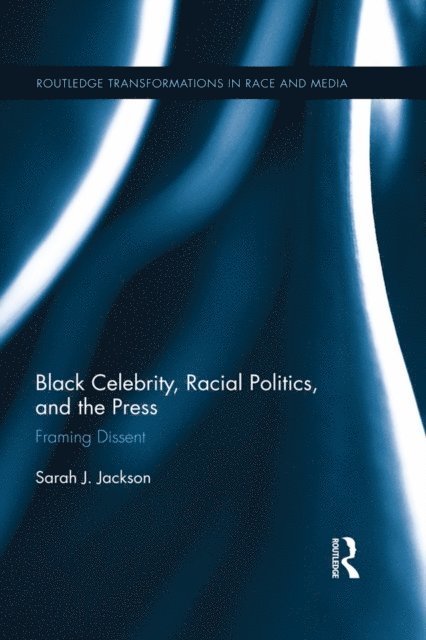
Black Celebrity, Racial Politics, and the Press
Framing Dissent
Inbunden, 2014
2736 kr
Lägg i varukorg
Shifting understandings and ongoing conversations about race, celebrity, and protest in the twenty-first century call for a closer examination of the evolution of dissent by black celebrities and their reception in the public sphere. This book focuses on the way the mainstream and black press have …
Black Celebrity, Racial Politics, and the Press
Framing Dissent
E-bok, 2014
729 kr
Lägg i varukorg
Shifting understandings and ongoing conversations about race, celebrity, and protest in the twenty-first century call for a closer examination of the evolution of dissent by black celebrities and their reception in the public sphere. This book focuses on the way the mainstream and black press have …
Black Celebrity, Racial Politics, and the Press
Framing Dissent
E-bok, 2014
729 kr
Lägg i varukorg
Shifting understandings and ongoing conversations about race, celebrity, and protest in the twenty-first century call for a closer examination of the evolution of dissent by black celebrities and their reception in the public sphere. This book focuses on the way the mainstream and black press have …
Black Celebrity, Racial Politics, and the Press
Framing Dissent
Häftad, 2018
631 kr
Lägg i varukorg
Shifting understandings and ongoing conversations about race, celebrity, and protest in the twenty-first century call for a closer examination of the evolution of dissent by black celebrities and their reception in the public sphere. This book focuses on the way the mainstream and black press have …