Sarah S. Elkind – författare
Visar alla böcker från författaren Sarah S. Elkind. Handla med fri frakt och snabb leverans.
5 produkter
5 produkter
E-bok
Engelska, 2011277 kr
Läs direkt efter köp
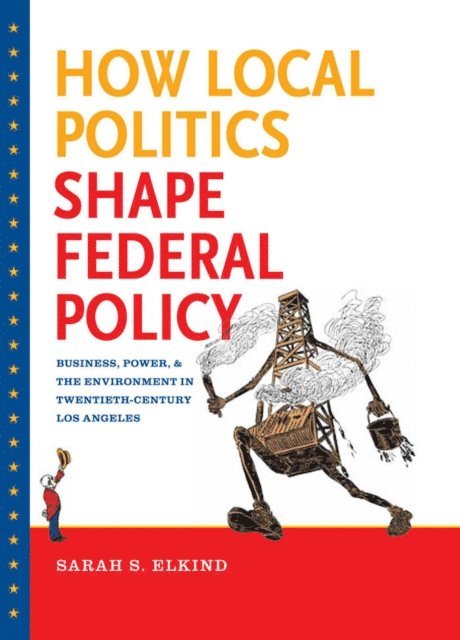
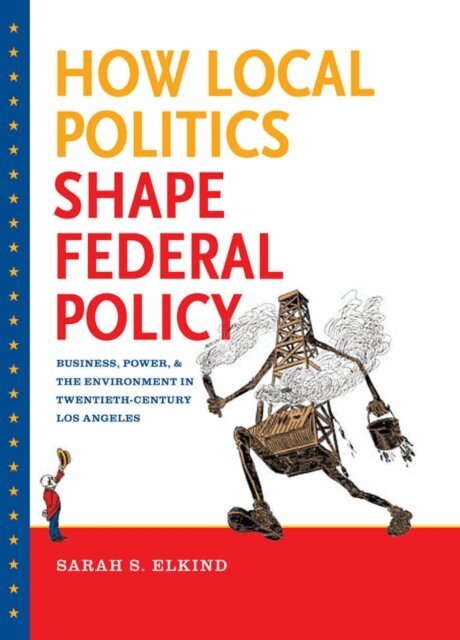
Focusing on five Los Angeles environmental policy debates between 1920 and 1950, Sarah Elkind investigates how practices in American municipal government gave business groups political legitimacy at the local level as well as unanticipated influence over federal politics.Los Angeles’s struggles with oil drilling, air pollution, flooding, and water and power supplies expose the clout business has had over government. Revealing the huge disparities between big business groups and individual community members in power, influence, and the ability to participate in policy debates, Elkind shows that business groups secured their political power by providing Los Angeles authorities with much-needed services, including studying emerging problems and framing public debates. As a result, government officials came to view business interests as the public interest. When federal agencies looked to local powerbrokers for project ideas and political support, local business interests influenced federal policy, too. Los Angeles, with its many environmental problems and its dependence upon the federal government, provides a distillation of national urban trends, Elkind argues, and is thus an ideal jumping-off point for understanding environmental politics and the power of business in the middle of the twentieth century.
E-bok
PDF, Engelska, 20111 472 kr
Läs direkt efter köp
Focusing on five Los Angeles environmental policy debates between 1920 and 1950, Sarah Elkind investigates how practices in American municipal government gave business groups political legitimacy at the local level as well as unanticipated influence over federal politics.Los Angeles''s struggles with oil drilling, air pollution, flooding, and water and power supplies expose the clout business has had over government. Revealing the huge disparities between big business groups and individual community members in power, influence, and the ability to participate in policy debates, Elkind shows that business groups secured their political power by providing Los Angeles authorities with much-needed services, including studying emerging problems and framing public debates. As a result, government officials came to view business interests as the public interest. When federal agencies looked to local powerbrokers for project ideas and political support, local business interests influenced federal policy, too. Los Angeles, with its many environmental problems and its dependence upon the federal government, provides a distillation of national urban trends, Elkind argues, and is thus an ideal jumping-off point for understanding environmental politics and the power of business in the middle of the twentieth century.
Häftad, Engelska, 2014
465 kr
Skickas inom 10-15 vardagar
Focusing on five Los Angeles environmental policy debates between 1920 and 1950, Sarah Elkind investigates how practices in American municipal government gave business groups political legitimacy at the local level as well as unanticipated influence over federal politics.Los Angeles's struggles with oil drilling, air pollution, flooding, and water and power supplies expose the clout business has had over government. Revealing the huge disparities between big business groups and individual community members in power, influence, and the ability to participate in policy debates, Elkind shows that business groups secured their political power by providing Los Angeles authorities with much-needed services, including studying emerging problems and framing public debates. As a result, government officials came to view business interests as the public interest. When federal agencies looked to local powerbrokers for project ideas and political support, local business interests influenced federal policy, too. Los Angeles, with its many environmental problems and its dependence upon the federal government, provides a distillation of national urban trends, Elkind argues, and is thus an ideal jumping-off point for understanding environmental politics and the power of business in the middle of the twentieth century.
E-bok
PDF, Engelska, 2011277 kr
Läs direkt efter köp
Focusing on five Los Angeles environmental policy debates between 1920 and 1950, Sarah Elkind investigates how practices in American municipal government gave business groups political legitimacy at the local level as well as unanticipated influence over federal politics.Los Angeles’s struggles with oil drilling, air pollution, flooding, and water and power supplies expose the clout business has had over government. Revealing the huge disparities between big business groups and individual community members in power, influence, and the ability to participate in policy debates, Elkind shows that business groups secured their political power by providing Los Angeles authorities with much-needed services, including studying emerging problems and framing public debates. As a result, government officials came to view business interests as the public interest. When federal agencies looked to local powerbrokers for project ideas and political support, local business interests influenced federal policy, too. Los Angeles, with its many environmental problems and its dependence upon the federal government, provides a distillation of national urban trends, Elkind argues, and is thus an ideal jumping-off point for understanding environmental politics and the power of business in the middle of the twentieth century.
E-bok
PDF, Engelska, 20111 299 kr
Läs direkt efter köp
Focusing on five Los Angeles environmental policy debates between 1920 and 1950, Sarah Elkind investigates how practices in American municipal government gave business groups political legitimacy at the local level as well as unanticipated influence over federal politics.Los Angeless struggles with oil drilling, air pollution, flooding, and water and power supplies expose the clout business has had over government. Revealing the huge disparities between big business groups and individual community members in power, influence, and the ability to participate in policy debates, Elkind shows that business groups secured their political power by providing Los Angeles authorities with much-needed services, including studying emerging problems and framing public debates. As a result, government officials came to view business interests as the public interest. When federal agencies looked to local powerbrokers for project ideas and political support, local business interests influenced federal policy, too. Los Angeles, with its many environmental problems and its dependence upon the federal government, provides a distillation of national urban trends, Elkind argues, and is thus an ideal jumping-off point for understanding environmental politics and the power of business in the middle of the twentieth century.