
Sassan Tabatabai – författare
Visar alla böcker från författaren . Handla med fri frakt och snabb leverans.
2 produkter
2 produkter
Häftad, Engelska, 2008
553 kr
Skickas inom 10-15 vardagar
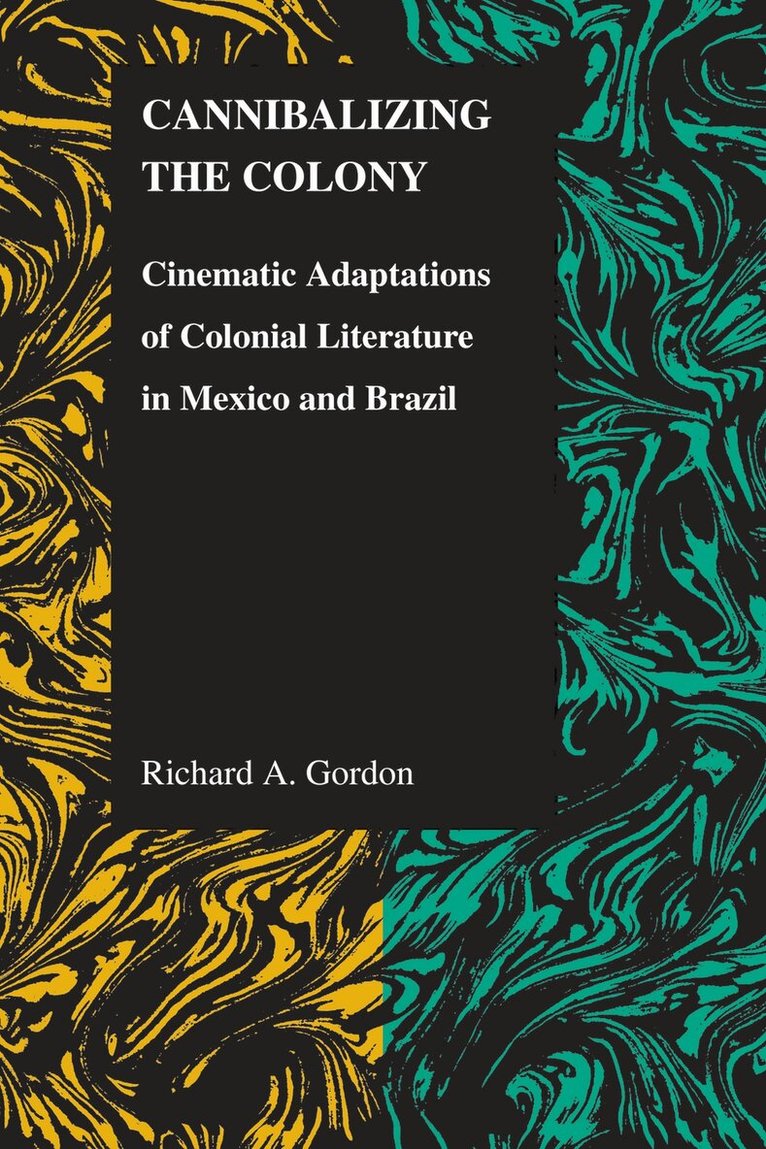
The years 1992 and 2000 marked the 500-year anniversary of the arrival of the Spanish and the Portuguese in America and prompted an explosion of rewritings and cinematic renditions of texts and figures from colonial Latin America. Cannibalizing the Colony analyzes a crucial way that Latin American historical films have grappled with the legacy of colonialism. It studies how and why filmmakers in Brazil and Mexico—the countries that have produced most films about the colonial period in Latin America—appropriate and transform colonial narratives of European and indigenous contact into commentaries on national identity. The book looks at how filmmakers attempt to reconfigure history and culture and incorporate it into present-day understandings of the nation. The book additionally considers the motivations and implications for these filmic dialogues with the past and how the directors attempt to control the way that spectators understand the complex and contentious roots of identity in Mexico and Brazil.
Häftad, Engelska, 2010
515 kr
Skickas inom 11-20 vardagar
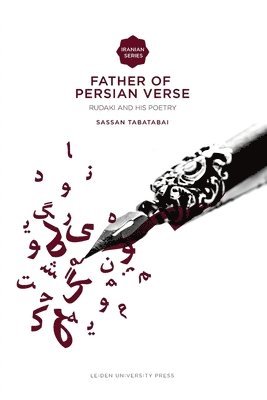
Abu ‘Abdollâh' Jafar ibn Mohammad Rudaki (c. 880 CE-941 CE) was a poet to the Samanid court which ruled much of Khorâsân (northeastern Persia) from its seat in Bukhara.He is widely regarded as "the father of Persian poetry, for he was the first major poet to write in New Persian language, following the Arab conquest in the seventh and eighth centuries, which established Islam as the official religion, and made Arabic the predominant literary language in Persian-speaking lands for some two centuries.In the tenth century the Caliphate power, with headquarters in Bagdad, gradually weakened. The remoteness of Khorâsân, where Rudaki was based, provided a hospitable atmosphere for a "renaissance" of Persian literature. Persian poetry—now written in the Arabic alphabet—flourished under the patronage of the Samanid amirs, who drew literary talent to their court. Under the rule of Nasr ibn Ahmad II (r. 914-943), Rudaki distinguished himself as the brightest literary star of the Samanid court.This book presents Rudaki as the founder of a new poetic aesthetic, which was adopted by subsequent generations of Persian poets. Rudaki is credited with being the first to write in the rubâi form; and many of the images we first encounter in Rudaki's lines have become staples of Persian poetry.